Escalating Tensions: Ukraine and Hungary Clash Over Oil Pipeline and EU Aid
A dispute over the Druschba pipeline, a critical artery for Russian oil transit to Europe, is escalating tensions between Ukraine and Hungary, threatening to derail a crucial €90 billion aid package from the European Union to Kyiv. The standoff, rooted in accusations of political interference and energy security concerns, has taken a sharp turn with increasingly pointed rhetoric from both sides, including a veiled threat from Ukrainian President Volodymyr Zelenskyy regarding the Hungarian Prime Minister Viktor Orbán. The situation highlights the complex geopolitical dynamics at play as Ukraine continues to fight for its survival and navigate its relationships with European partners.
The core of the conflict lies in the interruption of Russian oil flows through the Druschba pipeline, which began in January. Ukraine attributes the disruption to damage caused by a Russian drone attack on infrastructure. However, Hungary and Slovakia contend that Ukraine is deliberately delaying the resumption of supplies for political leverage. This accusation is particularly sensitive given Hungary’s upcoming local elections and its ongoing resistance to broader EU sanctions against Russia. The dispute has created a significant impasse, with Budapest effectively blocking the disbursement of the much-needed EU financial assistance.
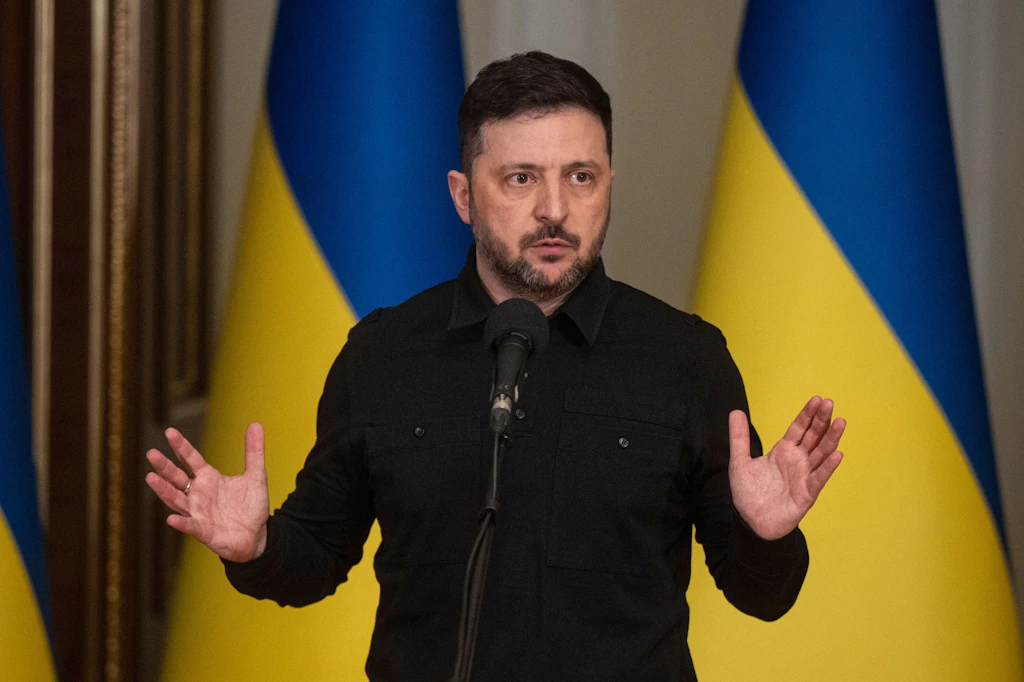
On Thursday, President Zelenskyy issued a strong rebuke, indirectly addressing Orbán and warning of potential repercussions if the EU aid remains blocked. “We hope that a certain person in the EU will not block the 90 billion [euros] any longer and that Ukrainian soldiers will receive weapons,” Zelenskyy stated, as reported by Reuters and Interfax Ukraine. He then added a stark warning: “Otherwise, we will give the address of that person to our armed forces, to our people, let them call him and talk to him in their own language.” This statement, while not explicitly naming Orbán, was widely interpreted as a direct threat and has drawn international attention to the escalating crisis.
Orbán’s Demands and Accusations of Political Interference
The Hungarian government, led by Prime Minister Viktor Orbán, has been vocal in its demands for the swift resumption of oil deliveries through the Druschba pipeline. Orbán has repeatedly accused Ukraine of using the energy supply as a tool to influence the outcome of Hungary’s local elections, scheduled for April. In a letter to European Commission President Ursula von der Leyen on March 3rd, Orbán requested increased “political pressure” on Ukraine to restart oil flows, arguing that there are no technical or operational reasons preventing the pipeline from functioning. He further asserted that Ukraine’s actions violate the Association Agreement between the EU and Ukraine. Euronews reported on this exchange, highlighting the growing friction between Budapest and Kyiv.
Orbán’s concerns extend beyond mere energy security. He believes that the interruption of oil supplies is a deliberate attempt to undermine his government ahead of the elections. He has also ordered an exploratory mission to Ukraine to assess the condition of the pipeline, although its effectiveness is questionable without Kyiv’s consent. According to Tagesspiegel, Orbán has vowed to “overcome the oil blockade and force the Ukrainians to resume deliveries.”
Ukraine’s Position and Pipeline Repair Timeline
Ukraine maintains that the damage to the Druschba pipeline infrastructure, caused by Russian attacks, is the primary reason for the disruption. While acknowledging the importance of restoring oil supplies, Kyiv has also expressed frustration with Hungary’s continued reluctance to support EU sanctions against Russia. President Zelenskyy indicated that the pipeline could potentially be operational within one to one-and-a-half months, but also hinted at a preference for not repairing it, suggesting it would unlock the blocked EU aid. “They are killing us, and we should give the poor little Orbán oil so that he can win the elections?” Zelenskyy reportedly said, according to Reuters. This statement underscores the complex political calculations influencing the situation.
The dispute has also led to reciprocal measures, with Hungary and Slovakia suspending diesel deliveries to Ukraine and Slovakia considering halting emergency electricity supplies until oil flows resume. This escalation further complicates the energy landscape in the region and raises concerns about the potential for broader economic repercussions. The Druschba pipeline, originally built during the Soviet era, remains a vital piece of energy infrastructure for several Eastern European countries, and its prolonged disruption has significant implications for energy security and regional stability.
The EU Aid Package and Hungary’s Veto
The €90 billion EU aid package for Ukraine is intended to provide crucial financial support for the country’s reconstruction and economic stability. However, Hungary’s veto, stemming from the Druschba pipeline dispute, has effectively frozen the disbursement of these funds. This has sparked frustration among Ukraine’s allies and raised questions about the EU’s ability to respond effectively to the ongoing crisis. The EU has been exploring ways to circumvent Hungary’s veto, but these efforts have so far proven unsuccessful. Euronews details the challenges Brussels faces in navigating this political impasse.
The situation highlights the internal divisions within the EU regarding its approach to the conflict in Ukraine and its relationship with Russia. Hungary, under Orbán’s leadership, has maintained a more conciliatory stance towards Moscow than many other EU member states, and its opposition to sanctions and aid packages reflects this position. This divergence in views poses a significant challenge to the EU’s unity and its ability to effectively support Ukraine.
Key Takeaways
- Escalating Rhetoric: President Zelenskyy’s warning regarding Viktor Orbán signals a significant escalation in tensions between Ukraine and Hungary.
- Druschba Pipeline Dispute: The interruption of Russian oil flows through the Druschba pipeline remains the central point of contention.
- Blocked EU Aid: Hungary’s veto is preventing the disbursement of a crucial €90 billion EU aid package for Ukraine.
- Political Interference: Orbán accuses Ukraine of deliberately disrupting oil supplies to influence Hungarian elections.
- Energy Security Concerns: The dispute highlights the vulnerability of Eastern European countries reliant on Russian energy supplies.
As of March 5, 2026, the situation remains unresolved. The Ukrainian government has not publicly responded to Zelenskyy’s statement, and it remains unclear whether Hungary will reconsider its position. The next key development will likely be the outcome of Orbán’s exploratory mission to Ukraine, although its success hinges on Kyiv’s cooperation. The EU is expected to continue seeking a diplomatic solution to the impasse, but the prospects for a swift resolution appear dim. The ongoing dispute underscores the fragility of energy security in Europe and the complex political challenges facing Ukraine as it seeks to secure its future.
What are your thoughts on the escalating tensions between Ukraine and Hungary? Share your comments below and join the conversation. Don’t forget to share this article with your network to spread awareness about this critical issue.