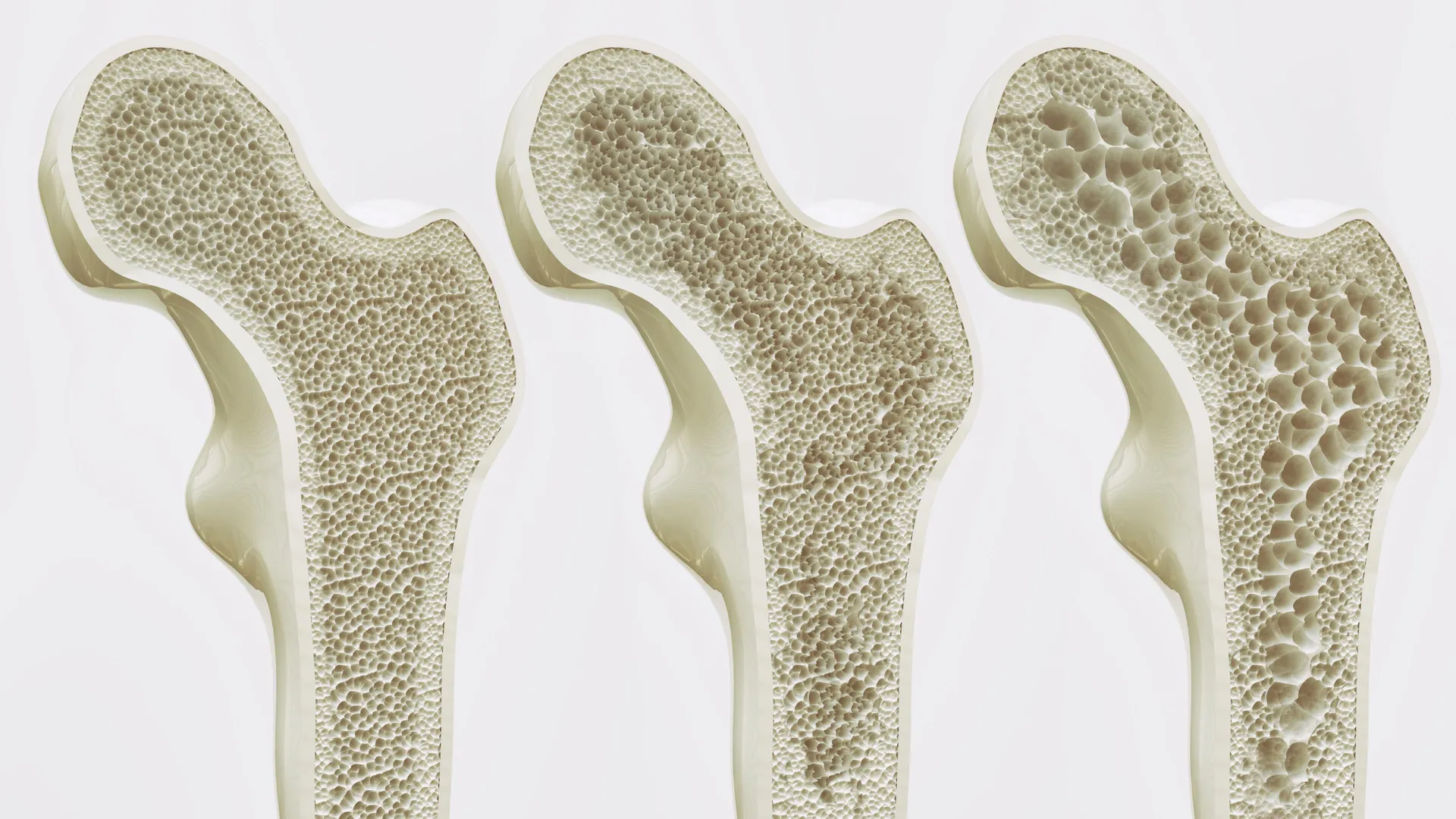
Patients using semaglutide—the active ingredient in medications such as Ozempic and Wegovy—may face a lower risk of bone fractures compared to those using other weight-loss treatments, even as they achieve more significant weight reduction. This finding suggests that the metabolic benefits of GLP-1 receptor agonists might offset the traditional bone-density risks associated with rapid weight loss.
New observational data involving nearly 60,000 adults suggests that semaglutide users experienced approximately 15% fewer fractures than individuals using alternative weight-loss medications. While weight loss is typically a risk factor for decreased bone mineral density due to reduced mechanical loading on the skeleton, the specific metabolic profile of semaglutide appears to provide a protective advantage for certain patients with type 2 diabetes.
Medical researchers have long monitored the skeletal impact of rapid weight loss. When the body loses mass quickly, the reduction in physical load on bones can lead to a decrease in bone mineral density (BMD), potentially increasing the risk of osteoporosis and subsequent fractures. However, the unique mechanism of semaglutide, a glucagon-like peptide-1 (GLP-1) receptor agonist, may alter this trajectory.
Why semaglutide may protect bone health during weight loss
The relationship between semaglutide and bone strength is rooted in the presence of GLP-1 receptors within bone tissue. While the primary function of these medications is to regulate insulin secretion and slow gastric emptying, researchers have identified GLP-1 receptors on both osteoblasts (cells that build bone) and osteoclasts (cells that break down bone).
According to current medical understanding of GLP-1 signaling, these receptors may play a role in modulating bone metabolism. Several factors contribute to why semaglutide users might see improved fracture outcomes:

- Reduced Systemic Inflammation: Type 2 diabetes is often characterized by chronic low-grade inflammation, which is a known driver of bone resorption and increased fracture risk. Semaglutide has demonstrated anti-inflammatory properties that may stabilize bone turnover.
- Improved Glycemic Control: Chronic hyperglycemia (high blood sugar) can impair bone quality by contributing to the formation of advanced glycation end-products (AGEs), which make the bone matrix more brittle.
- Direct Receptor Interaction: Emerging evidence suggests that GLP-1 receptor activation may directly influence the balance between bone formation and bone resorption, potentially favoring bone preservation despite the loss of body mass.
Clinical observations indicate that while the “mechanical unloading” of losing weight usually weakens bones, the “metabolic loading” provided by improved glucose regulation and reduced inflammation may act as a counterweight.
How semaglutide compares to other weight-loss medications
The distinction between semaglutide and other weight-loss interventions is critical for clinicians managing patients with comorbidities like osteoporosis or pre-osteoporosis. Traditional weight-loss methods, including caloric restriction and certain older pharmacological interventions, do not offer the same targeted metabolic stabilization.
A comparison of the physiological impacts of these different approaches highlights why the fracture risk profile differs:
| Feature | Semaglutide (GLP-1 RAs) | Traditional Caloric Restriction | Other Weight-Loss Meds |
|---|---|---|---|
| Primary Mechanism | Hormonal/Metabolic regulation | Energy deficit | Appetite suppression/Metabolic shift |
| Inflammatory Impact | Potential reduction in systemic inflammation | Variable/Minimal | Variable |
| Bone Density Risk | Potentially mitigated by metabolic benefits | High due to rapid mechanical unloading | Moderate to High |
| Glucose Stabilization | High (Direct action on insulin) | Indirect | Variable |
The 15% reduction in fracture rates observed in recent large-scale analyses suggests that the “quality” of weight loss matters as much as the “quantity.” In the case of semaglutide, the weight loss is accompanied by a systemic improvement in metabolic health that may preserve the structural integrity of the bone matrix.
What this means for patients with type 2 diabetes
For the millions of adults living with type 2 diabetes, the intersection of weight management and bone health is a primary clinical concern. Diabetes itself is a known risk factor for fractures, often due to a combination of neuropathy (which increases fall risk) and altered bone microarchitecture.
Physicians are now looking at GLP-1 receptor agonists not just as tools for glucose and weight management, but as potential components of a broader metabolic strategy to reduce long-term skeletal complications. However, medical professionals emphasize that semaglutide is not a substitute for established bone-health protocols.
Patients currently prescribed semaglutide, Ozempic, or Wegovy should continue to follow standard bone-protective guidelines, which include:
- Calcium and Vitamin D intake: Ensuring adequate nutritional support for bone mineralization.
- Resistance training: Weight-bearing exercises remain the gold standard for maintaining bone density through mechanical stimulation.
- Regular DEXA scans: Monitoring bone mineral density as part of routine care, especially for those with existing risk factors.
Frequently Asked Questions
Does semaglutide cause bone loss?
While rapid weight loss is generally associated with a risk of bone density reduction, recent studies suggest that the metabolic effects of semaglutide may help protect against this risk, potentially resulting in fewer fractures compared to other weight-loss methods.
Is Ozempic safer for bones than other diabetes medications?
While research is ongoing, current observational data indicates that semaglutide users may have a lower fracture risk than those on other weight-loss or metabolic medications, likely due to its impact on inflammation and glucose levels.
Should I worry about fractures if I am losing weight on Wegovy?
Weight loss should always be managed in consultation with a healthcare provider. While semaglutide shows promise in protecting bone health, maintaining a regimen of weight-bearing exercise and proper nutrition is essential during any period of significant weight change.
Clinical researchers continue to monitor long-term outcomes of GLP-1 therapy. Further large-scale, randomized controlled trials are expected to provide more definitive evidence regarding the direct effects of semaglutide on bone mineral density over several years of use.
Do you have questions about how new medications affect long-term health? Share your thoughts in the comments below and share this article with your network to keep the conversation going.
Related reading
- How to Preserve Brain Health: Tips to Boost Memory and Prevent Dementia and Alzheimer’s
- KAIST Professor Lee Hae-shin’s Gravity Anti-Hair Loss Shampoo & LiftMax 308™ Explained
- Phil Collins Reveals Near-Fatal Organ Failure After Years of Alcohol Abuse (time.news)
- Virginia Tech Study Reveals New Patterns in Storm Surge Behavior (newsdirectory3.com)