
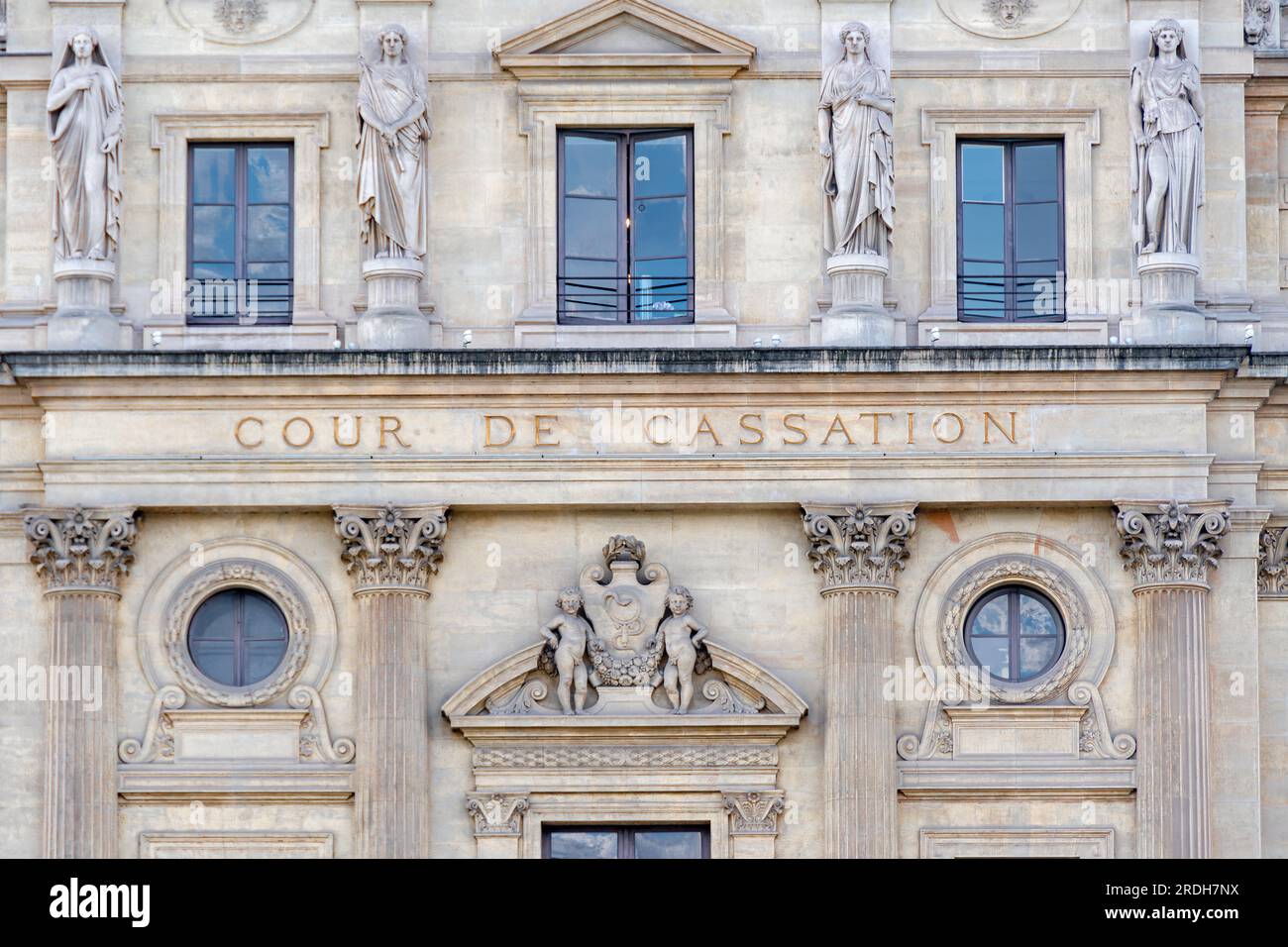
France’s semiconductor industry has come under intense scrutiny after the country’s top financial watchdog, the Cour des comptes, warned that billions of euros in public subsidies granted to chipmakers lack proper oversight and may not deliver the intended economic benefits. The watchdog’s report, released in April 2026, focuses on the massive “Liberty” project in Isère, a joint venture between Franco-Italian firm STMicroelectronics and American partner GlobalFoundries, which has received nearly €2.9 billion in state aid.
The Cour des comptes found that while STMicroelectronics had received €574 million by June 2025, GlobalFoundries had not received any payments and had not begun its portion of the project. This imbalance, the report argues, undermines the overall effectiveness of the initiative, as the public funds were awarded based on the assumption that both parties would fulfill their commitments. The watchdog criticized the legal framework governing the partnership as “insufficiently framed,” noting that if one party fails to deliver, it does not lose its subsidy eligibility but still jeopardizes the project’s completion and value for money.
These findings are part of a broader critique of France’s semiconductor support strategy. Between 2018 and 2025, the sector received €8.7 billion in public aid, of which €5 billion was actually disbursed. The French state contributed €4.3 billion of that amount, with the remainder coming from European Union funds and local authorities. The Cour des comptes described these sums as “among the highest in the history of French industrial policy,” yet warned that the aid has been “little conditioned and poorly followed,” reducing its potential impact.
The Liberty Project: A Flagship Initiative Under Scrutiny
The Liberty project aims to construct a megafabrication plant for semiconductors in southeastern France by 2027, positioning the country as a key player in Europe’s effort to boost domestic chip production. Semiconductors are essential components in everything from smartphones and automobiles to renewable energy systems and defense technology, making the sector strategically critical for technological sovereignty and economic resilience.
However, the Cour des comptes highlighted significant risks in the current structure of state support. The report pointed out that the aid agreements do not include strong enough conditions to ensure that recipients meet milestones or repay funds if they fail to deliver. This lack of clawback mechanisms or performance triggers means that public money could be spent without guaranteeing the promised industrial outcomes, such as job creation, technological advancement, or increased domestic production capacity.
GlobalFoundries’ delay in advancing its role in the Isère site has raised particular concern. Although the company had pledged to co-develop the facility, its absence from active construction means that STMicroelectronics may be shouldering a disproportionate share of the workload while still operating under the original subsidy framework. The watchdog suggested that this could lead to inefficiencies and reduced returns on the public investment.
Broader Implications for Industrial Policy
The critique extends beyond the Liberty project to question the overall design of France’s semiconductor subsidies. The Cour des comptes urged policymakers to implement more precise evaluation tools, including clear benchmarks, independent audits, and conditional disbursements tied to verified progress. It also recommended greater transparency in how aid is allocated and monitored, especially given the scale of the financial commitments involved.

Industry analysts note that France’s push to strengthen its semiconductor base aligns with similar efforts across Europe and the United States, where governments are seeking to reduce reliance on Asian manufacturing hubs. The European Chips Act, for example, aims to mobilize over €40 billion in public and private investment to double the EU’s share of global semiconductor production by 2030. France’s Liberty project is seen as a cornerstone of this national contribution.
Still, the Cour des comptes warned that without stricter oversight, such initiatives risk becoming costly endeavors with limited economic payoff. The watchdog emphasized that state aid should not only support industrial ambition but also ensure accountability, value for money, and measurable outcomes that benefit the broader economy.
Next Steps and Official Response
As of April 2026, the French Ministry of Economy and Finance has not issued a formal public response to the Cour des comptes’ latest findings. However, officials have previously acknowledged the necessitate to balance strategic industrial support with fiscal responsibility. The watchdog typically follows up its reports with recommendations that are reviewed during parliamentary hearings, though no specific date for such a proceeding has been confirmed.
STMicroelectronics and GlobalFoundries have not publicly commented on the Cour des comptes’ assessment of their partnership. Both companies continue to list the Liberty project as active in their official communications, with STMicroelectronics citing progress on site preparation and equipment procurement as of late 2025.
For readers seeking official updates, the Cour des comptes publishes its reports and follow-up responses on its website, ccomptes.fr, while the French Ministry of Economy provides information on industrial policy initiatives through economie.gouv.fr. The European Commission also tracks progress on the Chips Act via its dedicated portal at commission.europa.eu.
The debate over how best to support strategic industries like semiconductors is likely to continue as governments weigh the benefits of technological self-reliance against the risks of misallocated public funds. For now, the Cour des comptes’ message is clear: ambition must be matched by rigor.
We invite our readers to share their perspectives on industrial policy and state aid in the comments below. If you found this analysis informative, please consider sharing it with others interested in global economics and technological development.
Keep reading
- H1: Net Profit Reaches $22.97M in H1 with Growth in Assets and Deposits
- Milan Stock Market Today: Piazza Affari Closes Sharply Higher Led by Banking Stocks
- CPO Foundry Roadmaps: TSMC, Intel, Samsung, and GlobalFoundries Compared (newsdirectory3.com)
- Massive Attack Performs Seo Taiji’s ‘Generals’ at Incheon Pentaport Rock Festival (archynewsy.com)