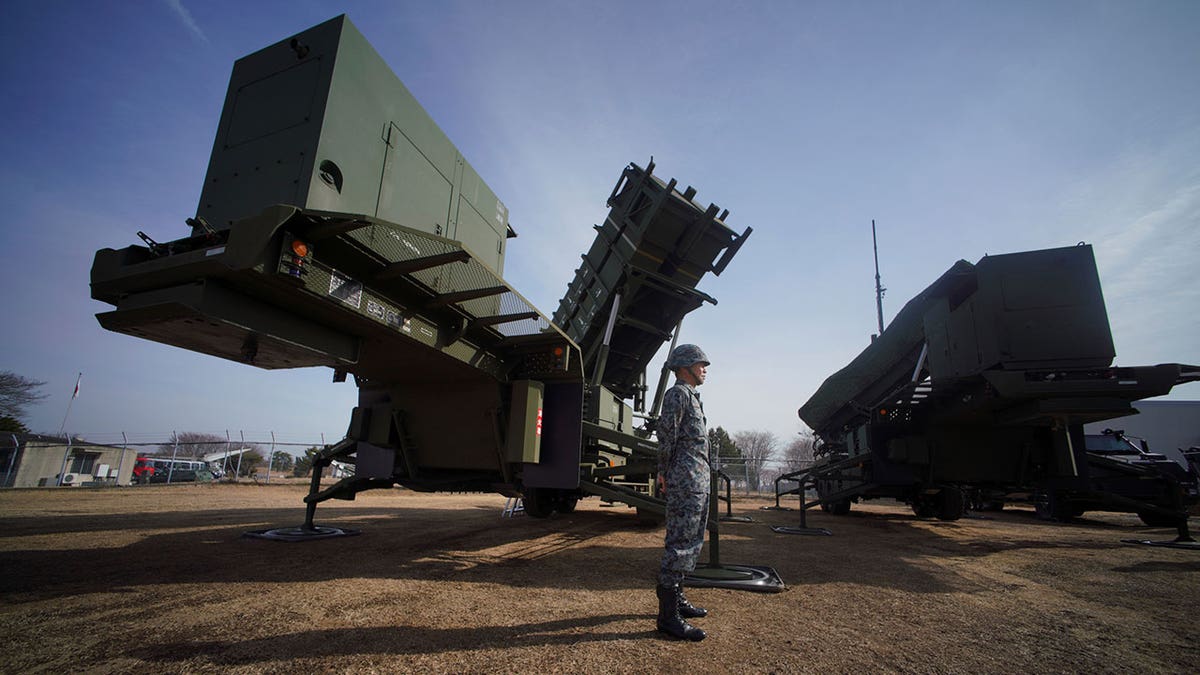
Japan has taken a decisive step away from its postwar pacifist stance by scrapping a long-standing ban on lethal weapons exports, a move that marks a significant shift in its defense and economic strategy. Prime Minister Sanae Takaichi announced the policy change on Tuesday, April 21, 2026, endorsing new guidelines that allow the export of advanced military equipment such as fighter jets, missiles, and warships. This decision ends decades of restrictions that had limited Japan’s defense exports to non-lethal categories like rescue, transport, surveillance, warning, and minesweeping gear.
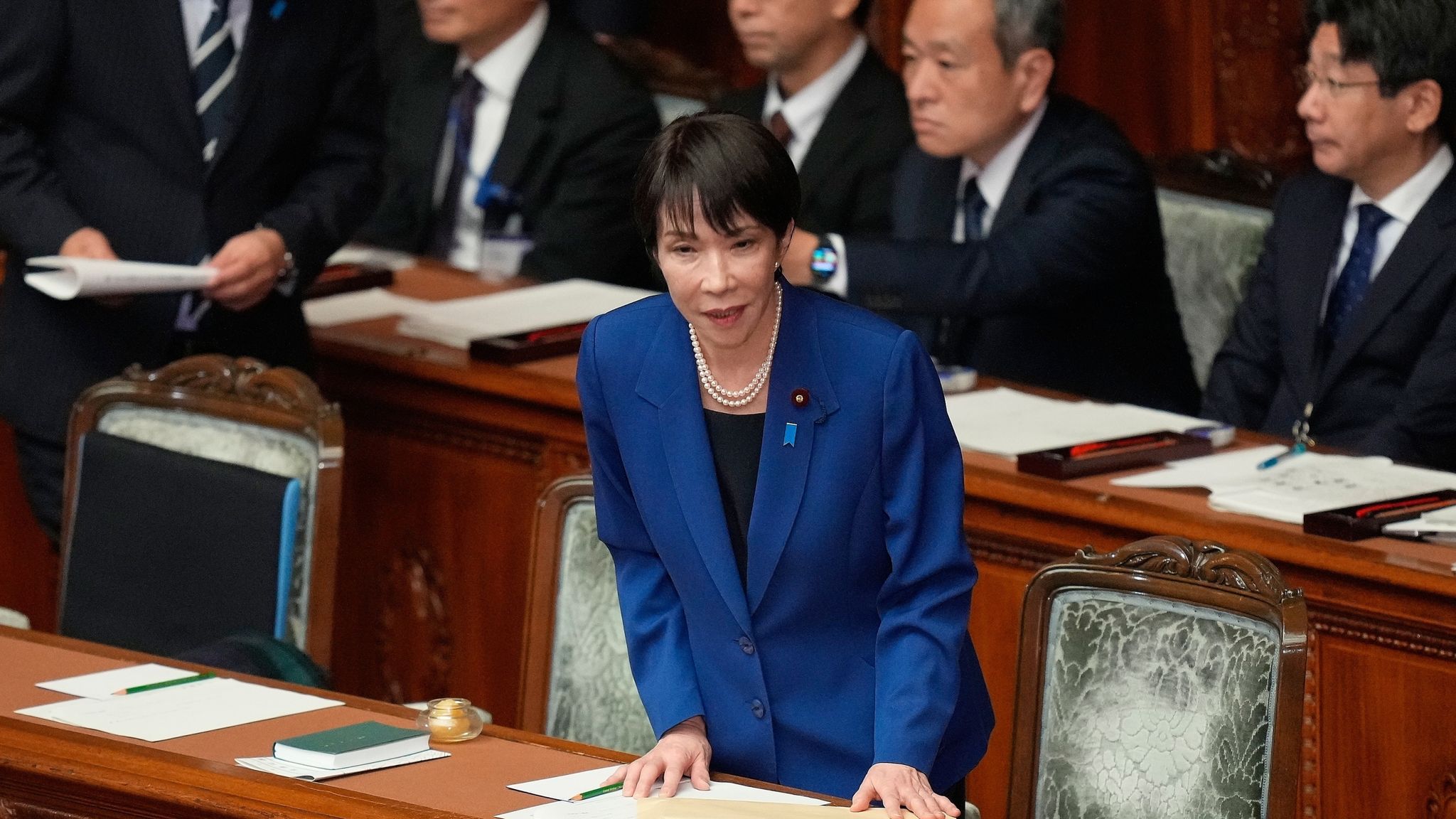
The revised rules, approved by Takaichi’s cabinet, maintain that all exports will be subject to strict government screening and controls on re-transfer to third countries. Despite the liberalization, Takaichi emphasized that Japan’s commitment to peace remains unchanged, stating there is “absolutely no change in our commitment to upholding the path and fundamental principles we have followed as a peace-loving nation for over 80 years since the war.” She framed the shift as necessary for national security in an increasingly unstable regional environment, arguing that no country can ensure its peace and security alone.
This policy overhaul aligns with Japan’s broader military buildup and efforts to strengthen its domestic arms industry as a driver of economic growth. By allowing exports of lethal weapons, Japan aims to deepen defense cooperation with partners such as Australia and attract interest from Southeast Asian and European nations. The move has drawn criticism from China, which views it as a violation of Japan’s pacifist constitution and a potential source of regional tension. However, it has been welcomed by many of Japan’s allies who see it as a step toward greater burden-sharing in regional security.
The change as well reflects evolving interpretations of Article 9 of Japan’s postwar constitution, which renounces war as a means of settling international disputes. While the article originally prohibited maintaining land, sea, and air forces for combat purposes, Japan has gradually expanded its self-defense capabilities since the 1950s, including overseas deployments in peacekeeping operations. The latest development represents one of the most significant departures from the strict pacifist norms established after World War II, when the United States initially sought to dismantle Japan’s military capacity before later reversing course during the Korean War.
Economic and Strategic Motivations Behind the Shift
Japanese officials have consistently linked the relaxation of arms export rules to broader goals of boosting the domestic defense industry and enhancing technological innovation. Takaichi has argued that promoting defense equipment exports will stimulate economic growth by supporting high-skilled jobs and advanced manufacturing sectors. This approach mirrors strategies used by other major arms-exporting nations, where defense production contributes significantly to GDP and export revenues.
The timing of the decision coincides with Japan’s accelerated military spending in response to growing security challenges in East Asia, particularly concerns over China’s assertive behavior and North Korea’s missile programs. By enabling lethal weapons exports, Japan seeks not only to strengthen alliances through defense technology sharing but also to offset rising procurement costs via international sales. Analysts note that the policy could position Japan as a reliable supplier of high-quality defense systems, especially among nations seeking alternatives to traditional suppliers.
Under the new framework, export approvals will involve inter-agency review to ensure compliance with international humanitarian law and national security interests. While the categories of allowable exports have been eliminated, the government retains the authority to block transfers deemed inappropriate, particularly those that could escalate conflicts or violate United Nations embargoes. This balance aims to address concerns that liberalization might undermine Japan’s reputation as a responsible actor in global security affairs.
Regional Reactions and International Implications
The announcement has elicited varied responses across the Indo-Pacific region. Defense officials in Australia and the Philippines have expressed openness to acquiring Japanese-made equipment, citing its reliability and technological sophistication. Some Southeast Asian nations have shown interest in coastal patrol vessels and missile systems as part of efforts to modernize their militaries amid territorial disputes in the South China Sea. European countries, particularly those looking to diversify their defense supply chains, have also begun preliminary discussions with Japanese manufacturers.
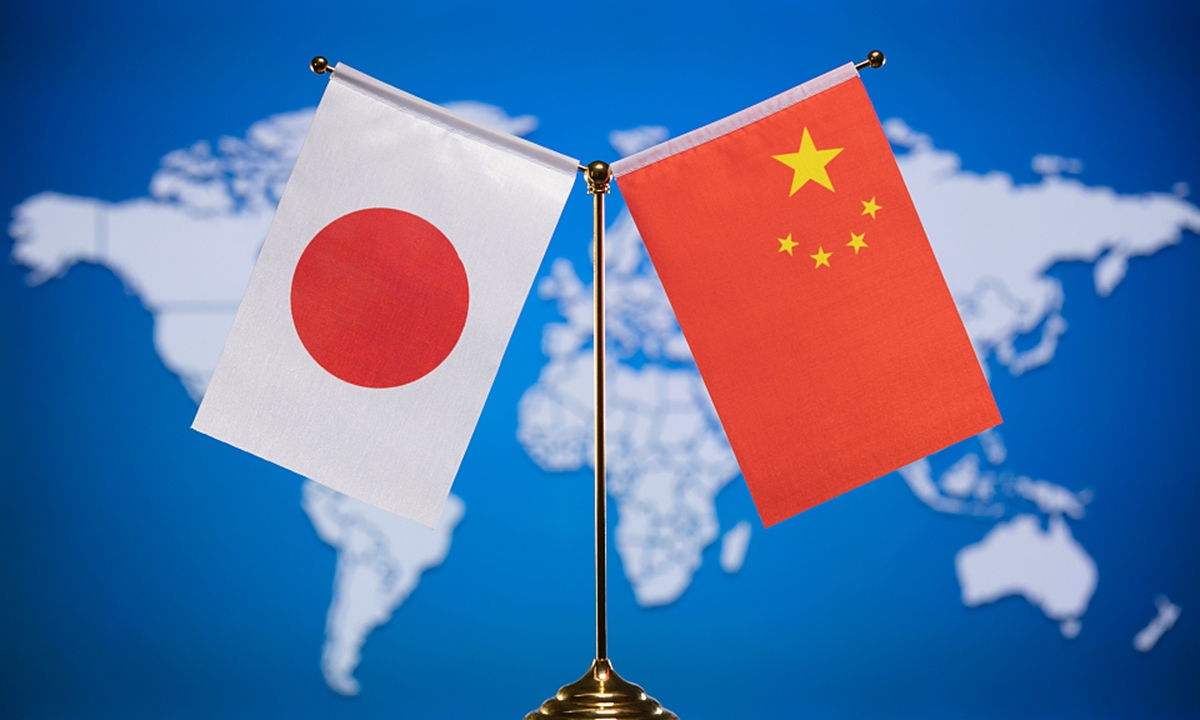
Conversely, China has condemned the move as a dangerous abandonment of pacifism that could trigger an arms race in the region. Beijing reiterated its long-standing position that Japan must adhere strictly to the spirit of its postwar constitution, warning that any expansion of military capabilities beyond self-defense risks undermining regional stability. These criticisms echo earlier concerns raised when Japan reinterpreted Article 9 to permit collective self-defense in 2015, a change that also faced strong opposition from neighboring countries.
Despite the controversy, Japan’s defense partners have largely welcomed the shift as a sign of Tokyo’s growing willingness to contribute to collective security. The United States, while not issuing an official statement on the specific export policy change, has consistently encouraged Japan to take on a greater role in maintaining the rules-based order in Asia. The development may further strengthen trilateral cooperation between Japan, the U.S., and Australia, particularly in areas such as maritime domain awareness and missile defense.
Historical Context of Japan’s Defense Policy Evolution
Japan’s pacifist foreign policy has been shaped by the trauma of World War II and the subsequent U.S.-drafted constitution of 1947, which included Article 9’s renunciation of war. During the American occupation (1945–1952), officials initially sought to eliminate all traces of militarism. However, the outbreak of the Korean War in 1950 led Washington to rearm Japan as a bulwark against communism, resulting in the creation of the National Police Reserve—the precursor to the Self-Defense Forces—in 1954.
For decades, Japan interpreted Article 9 narrowly, maintaining only minimal forces for territorial defense and avoiding overseas combat roles. Even participation in UN peacekeeping missions was controversial until the 1990s, when legislation allowed limited deployment of troops in non-combat functions such as medical support and logistics. The 2015 security legislation, which enabled collective self-defense, marked another major shift, allowing Japanese forces to defend allies under attack even if Japan itself was not threatened.
The current move to lift the ban on lethal weapons exports represents a continuation of this gradual expansion of Japan’s security posture. Unlike previous changes that focused on the use of force, this reform centers on the transfer of military capabilities—a domain long considered off-limits due to fears of fueling conflict or violating pacifist principles. By maintaining strict end-use controls and emphasizing peaceful intentions, the government seeks to reassure both domestic skeptics and international observers that the change does not equate to a return to militarism.
As Japan navigates this transition, the success of its new export policy will depend on its ability to balance economic and strategic ambitions with credible assurances of restraint. Future developments to watch include the first major contracts signed under the new rules, any adjustments to the review process based on early implementation experiences, and how regional actors adapt to Japan’s emerging role as a provider of defense technology.
For ongoing updates on Japan’s defense policy and international security developments, readers can follow official announcements from the Japanese Ministry of Defense and reputable sources such as Reuters, Associated Press, and BBC World Service. Stay informed and share your thoughts on how this shift may affect stability in the Indo-Pacific region.