
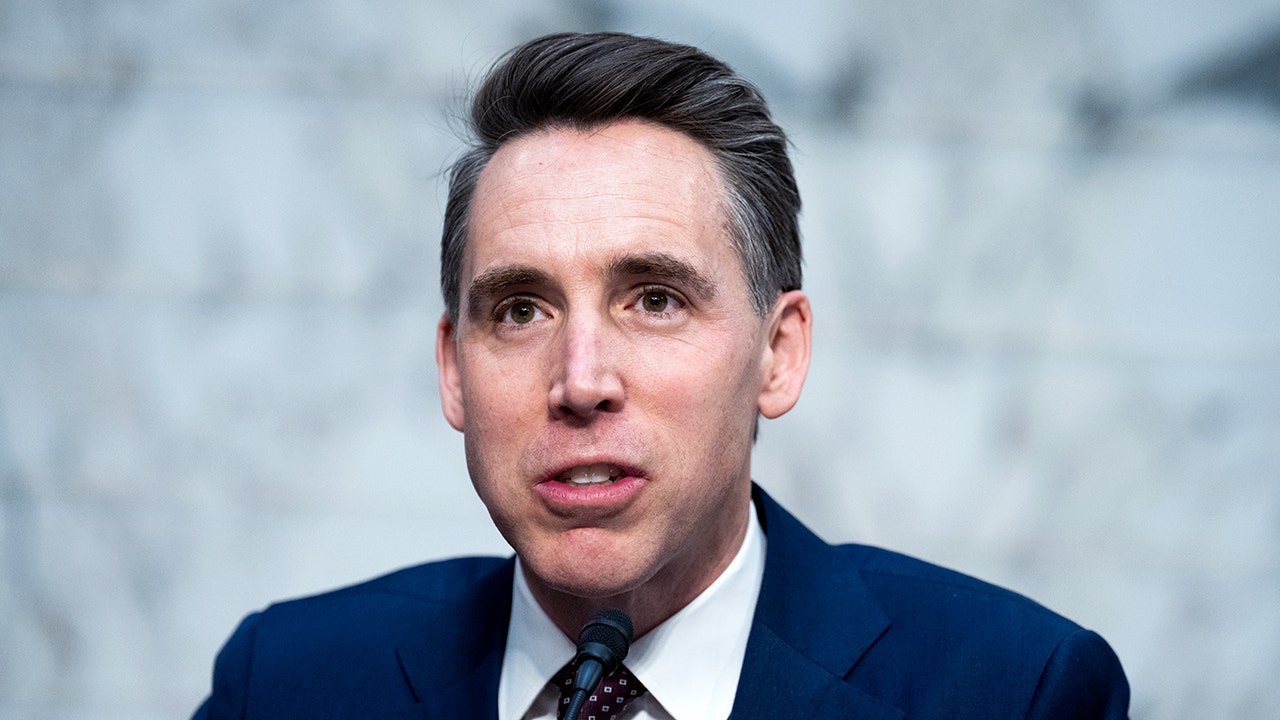
MLB Commissioner Rob Manfred has confirmed to Senator Josh Hawley (R-Mo.) that San Francisco Giants players will not face discipline or fines for writing Bible verses on their Pride Night caps. In a formal letter addressing the controversy, Manfred stated that no player will be required to wear political-messaging uniforms and that no individual will be discriminated against based on religious faith.
The decision follows a dispute involving several Giants players who used religious text on rainbow-themed headwear during a game at Oracle Park on June 12. While Major League Baseball (MLB) initially suggested the actions violated league rules against altering equipment, the Commissioner’s recent communication marks a significant pivot in how the league handles the intersection of uniform policies and religious expression.
The Commissioner’s Response to Senator Hawley
The clarification comes after Senator Josh Hawley sought accountability from the league regarding the treatment of players expressing religious beliefs. Speaking on “The Will Cain Show,” Hawley described the letter from Manfred as a “great outcome,” suggesting the league has acknowledged a mistake in its initial handling of the situation.

According to Hawley, the letter explicitly addresses the rights of athletes to express their faith. “The commissioner admitted in that letter that he should not have warned ‘the players,’” Hawley told Cain. He emphasized that the correspondence guarantees that “no player will ever be disciplined or fined for their religious beliefs.”
Hawley noted that his involvement included threats to bring the Commissioner before the Senate to provide testimony under oath. The Senator argued that the protection of religious liberty is a fundamental necessity within Major League Baseball, stating that players should not be compelled to wear uniforms that carry specific political or social messaging if it conflicts with their convictions.
Details of the San Francisco Giants Incident
The controversy originated during the San Francisco Giants’ Pride Night on June 12 at Oracle Park. During the event, several players chose to modify the rainbow-themed caps provided by the team with religious inscriptions. Pitchers Landen Roupp, JT Brubaker, and Ryan Walker were identified as the players who wrote Bible verses on the logos of their caps.

Specifically, Landen Roupp penned “Gen 9:12-16” on his hat. This reference points to a passage in the Book of Genesis that describes the rainbow as a sign of God’s covenant with humanity following the Great Flood. While the players’ actions were intended as religious expression, the league initially viewed the modifications through the lens of uniform compliance.
Not all players participated in the Pride Night theme. Reliever Sam Hentges opted out of wearing the specialized rainbow cap entirely, choosing instead to wear the team’s standard black and orange uniform cap. This distinction highlights the varying ways players navigated the team’s promotional event.
| Feature | Initial MLB Position | Final Position (Manfred Letter) |
|---|---|---|
| Disciplinary Action | Potential violation of uniform alteration rules | No player will be disciplined or fined for religious beliefs |
| Uniform Requirements | Prohibition on unauthorized messaging | No requirement to wear political-messaging uniforms |
| Basis of Policy | Collective bargaining/equipment rules | Recognition of religious liberty and non-discrimination |
The Conflict Between Uniform Rules and Religious Liberty
The tension in this case stems from a specific rule within the MLB collective bargaining agreement. This policy, negotiated with the Major League Baseball Players Association (MLBPA), prohibits players from writing, attaching, or embroidering messages on their apparel or equipment. Manfred noted in his letter that the league’s policy is typically enforced “without regard to the substance of the messaging,” meaning the rule is meant to be neutral regarding political or social content.
However, the application of this rule to religious text created a legal and ethical debate. Hawley and other advocates argued that while the league has a right to maintain uniform standards, those standards cannot infringe upon First Amendment protections or religious liberty. The argument posits that if a uniform is used to convey a specific social message, players should have the right to either decline the uniform or add their own religious context without fear of professional retribution.
The league’s shift suggests a recognition that religious expression may require a different standard of application than purely political or social messaging. By stating that no player will be discriminated against based on faith, Manfred has attempted to draw a line between league-mandated social initiatives and the individual rights of the athletes.
Congressional Pressure and the Path Forward
The resolution of this matter was not a standard administrative update but the result of direct political pressure. Senator Hawley’s involvement underscored a growing scrutiny of how professional sports leagues manage social justice and diversity initiatives in relation to religious freedom. Hawley characterized the league’s initial stance as “stupid” and a “big screw-up,” emphasizing that the intervention was necessary to ensure constitutional protections are upheld within private organizations that operate under collective bargaining.
As of now, there are no further scheduled Senate hearings or official MLB disciplinary proceedings regarding the June 12 incident. The league’s written commitment serves as the current standing policy for how religious expression will be handled moving forward. Observers will be watching to see how the MLBPA and individual clubs implement these assurances during future promotional events.
What are your thoughts on the intersection of religious expression and professional sports uniform policies? Share your comments below and share this report with your network.