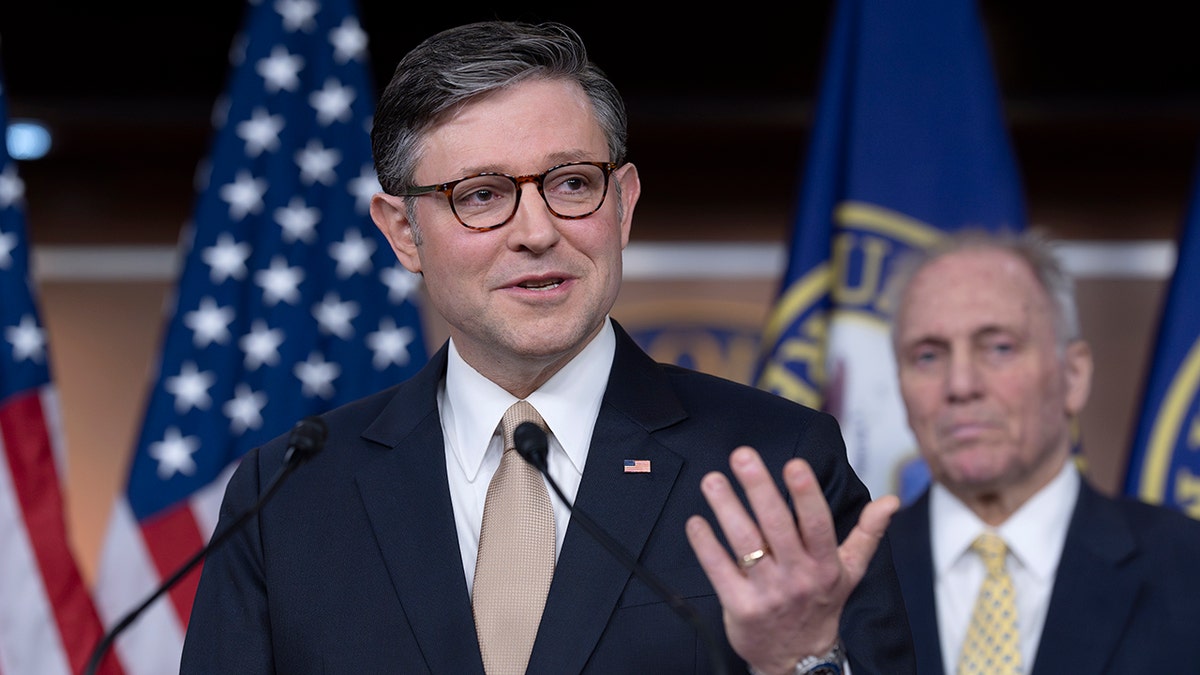
The United States Senate faces a critical impasse regarding the renewal of federal surveillance authorities, as a legislative push to extend the program has stalled amid shifting political dynamics. The current debate centers on the Foreign Intelligence Surveillance Act (FISA), a cornerstone of American national security policy that governs how the government collects intelligence on foreign targets, with lawmakers struggling to reach a consensus before looming statutory deadlines.
According to official Senate records, the chamber is currently navigating a complex calendar of legislative business, with recent sessions marked by narrow margins on key procedural and substantive votes. The legislative process is overseen by the 119th United States Congress, which convened its new session on January 3, 2025. As of Monday, June 8, 2026, the Senate’s schedule includes ongoing committee hearings, including those for the Committee on Agriculture, Nutrition, and Forestry and the Committee on Armed Services, reflecting the broader workload facing the body as it addresses time-sensitive national security issues.
The Legislative Status of Surveillance Authorities
The legislative effort to maintain continuity in intelligence gathering has encountered significant friction on the Senate floor. Recent parliamentary activity shows that the Senate has struggled to secure the necessary support to move forward with critical surveillance extensions. On June 5, 2026, the Senate conducted a series of roll call votes, including the rejection of S. 1318 and the passage of S. 2, illustrating the volatility of the current floor proceedings. These developments are documented in the official Senate Daily Digest, which tracks the legislative actions of the chamber as it balances competing priorities and procedural hurdles.
Under the United States Constitution, Article One grants the Senate and the House of Representatives the authority to pass or defeat federal legislation, including those measures that authorize intelligence programs. The Senate’s role in these matters is part of its broader constitutional function, which includes the oversight of executive and judicial branches. The current legislative environment remains fluid, with members weighing the implications of potential expirations against concerns regarding civil liberties and the operational capacity of the intelligence community.
Institutional Leadership and the Path Forward
Leadership within the Senate remains divided along traditional party lines, influencing the trajectory of surveillance legislation. As of the current session, the Senate leadership includes Majority Leader John Thune (R) and Minority Leader Chuck Schumer (D). The composition of the chamber, which consists of 100 voting officials—currently divided between a Republican majority of 53 and a minority of 47—shapes the strategic approach to passing complex security bills. These administrative details and the current roster of leadership are maintained by the Senate and documented by public records services like Ballotpedia.
For observers tracking these developments, the U.S. Senate provides regular updates through its official website, which serves as the primary repository for the Senate’s constitutional foundations, legislative history, and current floor schedule. The Senate’s history blog and its ongoing reports on floor proceedings offer context for the challenges currently faced by lawmakers. As the legislative clock continues to tick, the Senate must reconcile the competing demands of its members to address the future of surveillance programs.
How to Track Congressional Action
Citizens interested in the progress of these surveillance measures can utilize the Senate’s official resources to monitor developments. The U.S. Senate website provides access to the daily digest, the Congressional Record, and real-time information on roll call votes. By reviewing the recent Senate roll call votes, the public can track how individual senators are voting on specific pieces of legislation as they move through the chamber.
The Senate is scheduled to continue its work in Washington, D.C., throughout the week. The next official updates regarding floor proceedings and committee activity will be published in the daily digest, accessible through the Senate’s legislative information portal. Readers are encouraged to follow these official channels for the most accurate and up-to-date information regarding the status of surveillance legislation and other matters before the 119th Congress.
Related reading