
Senegal’s Economic Challenges: Why the IMF Deal Matters for West Africa’s Fastest-Growing Economy
Senegal’s economy faces “elevated risks” in the short term, according to the International Monetary Fund (IMF), but the government and the fund have agreed to work together to stabilize finances and support growth. The West African nation, which has long been considered one of the continent’s most stable democracies, is now navigating a delicate balance between debt management and economic expansion amid global financial pressures.
In a statement following a recent IMF mission to Dakar, officials acknowledged Senegal’s economic resilience but warned that external shocks—including higher global interest rates and commodity price volatility—could strain public finances. The government has signaled openness to debt restructuring discussions, a move that could reshape Senegal’s fiscal strategy and set a precedent for other African nations grappling with similar challenges.
With public debt reaching 68.2% of GDP in 2023 (according to the IMF’s April 2024 World Economic Outlook), Senegal’s cooperation with the IMF comes at a critical juncture. The fund’s engagement follows a period of economic slowdown, with growth projected to dip to 3.2% in 2024—down from 6.5% in 2022—due to weaker agricultural output and reduced investment.
“Senegal is committed to responsible debt management and will work closely with the IMF to ensure sustainable growth. We are exploring all options, including debt restructuring, to protect our economic gains and social progress.”
Why Senegal’s Financial Situation Is a Concern for the Region
Senegal’s economic trajectory has long been a benchmark for West Africa, with consistent GDP growth averaging 6.5% annually between 2015 and 2022. However, the country now faces a convergence of challenges:
- Debt sustainability: Rising interest rates have increased Senegal’s debt servicing costs, with $1.8 billion in external debt payments due in 2024 (according to the World Bank’s Senegal Economic Update).
- Commodity dependence: Senegal’s economy relies heavily on agriculture (20% of GDP) and remittances (10% of GDP), both of which have been volatile in recent years.
- Infrastructure gaps: While Senegal has made progress with projects like the African Development Bank-funded Dakar Diamniadio Expressway, delays in key initiatives threaten to slow growth.
The IMF’s engagement is particularly significant because Senegal has historically avoided the severe debt crises seen in other African nations. Unlike Ghana or Ethiopia, which have recently sought debt relief under the Common Framework for Debt Treatments, Senegal has maintained access to international capital markets. However, the current slowdown risks eroding this stability.
What the IMF-Senegal Agreement Entails
The IMF mission’s conclusions highlight three priority areas for cooperation:
- Fiscal consolidation: Senegal aims to reduce its fiscal deficit from 7.1% of GDP in 2023 to 5.5% by 2025, according to IMF projections. This will involve tightening public spending and improving revenue collection.
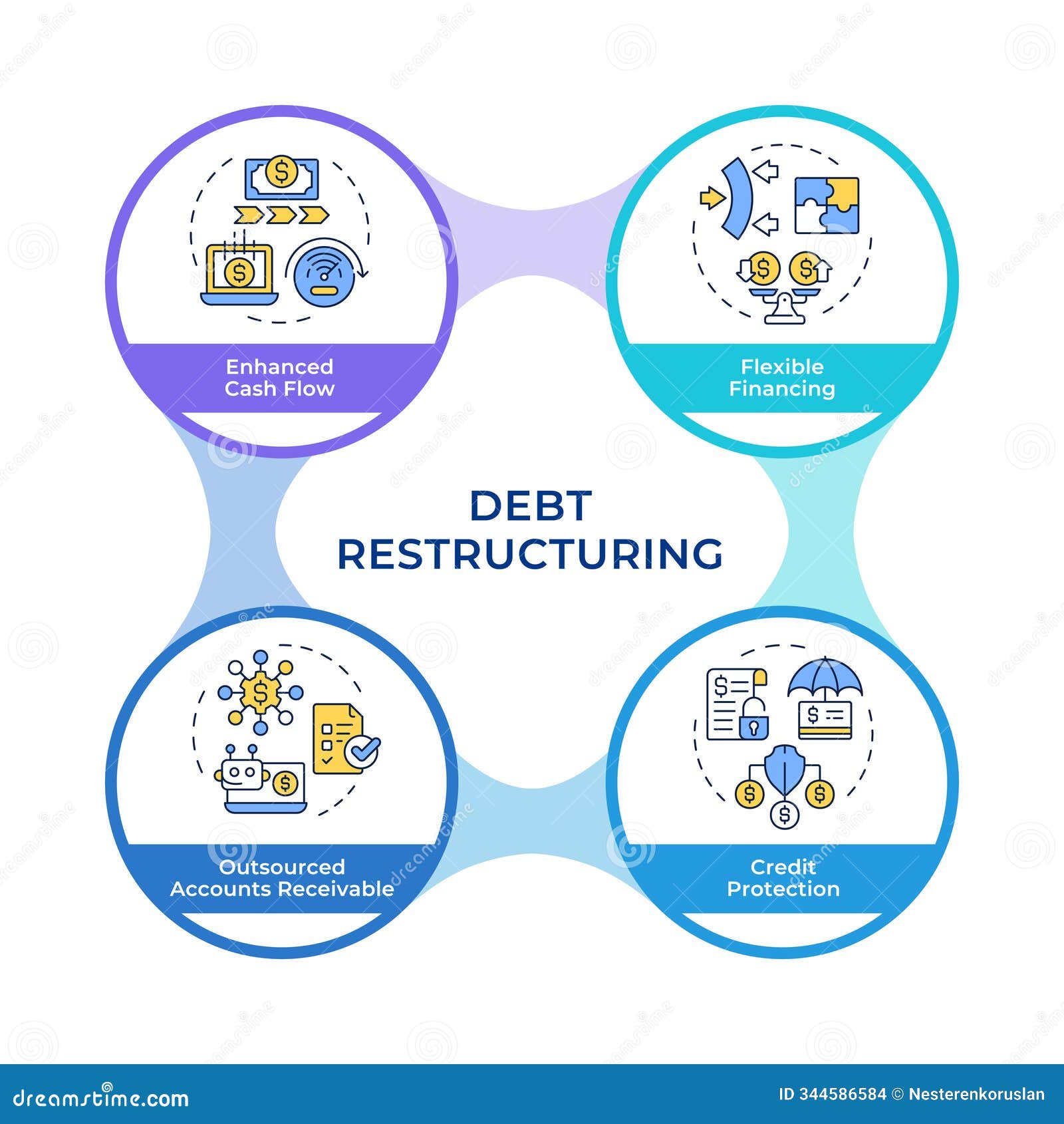
- Debt restructuring: While no formal agreement has been reached, Senegalese officials have indicated willingness to explore restructuring options for its external debt. This could include extending maturities or reducing interest rates on bilateral loans.
- Structural reforms: The IMF has emphasized the need for reforms in the energy sector (where subsidies drain public funds) and improvements in governance to attract private investment.
Unlike past IMF programs, which often required strict austerity measures, the current discussions appear to focus on gradual adjustments. IMF officials have praised Senegal’s proactive approach, contrasting it with other nations that only seek assistance after crises emerge.
“Senegal’s case is different from those we’ve seen in the past. The authorities have been transparent about their challenges and are taking preemptive steps to avoid a balance-of-payments crisis.”
How This Affects Senegal’s Growth Prospects
Senegal’s economic model has long been built on three pillars: stable governance, strong foreign investment, and regional leadership. The current financial challenges threaten all three:
- Investor confidence: The IMF’s engagement could signal to markets that Senegal is managing risks effectively—or it could raise concerns if reforms are perceived as insufficient. Senegal’s stock market (the BRVM) has already seen volatility, with the Senegalese franc (XOF) depreciating 3.5% against the euro in 2024.
- Social stability: With 40% of Senegal’s population under 15, economic slowdowns risk increasing youth unemployment, which currently stands at 12.5% (National Statistics Agency, 2024).
- Regional influence: As a leader in the ECOWAS bloc, Senegal’s economic performance sets a precedent for neighboring countries like Gambia and Guinea-Bissau, which are also facing debt pressures.
Yet, there are also opportunities. Senegal’s investment promotion agency has highlighted sectors like renewable energy, agribusiness, and digital economy as growth drivers. The IMF has encouraged Senegal to accelerate reforms in these areas to diversify its economy beyond traditional sectors.
What Happens Next: Key Deadlines and Developments
The IMF-Senegal discussions are entering a critical phase with the following milestones:
Beyond the IMF, Senegal is also engaged in discussions with the World Bank and the African Development Bank to align its reform agenda. The government has signaled that it will prioritize transparency in these negotiations, a factor that could influence investor sentiment.
Comparing Senegal’s Approach to Other African Nations
Senegal’s proactive stance contrasts with the experiences of other African countries facing similar challenges:
| Country | Debt-to-GDP Ratio (2023) | IMF Engagement | Outcome |
|---|---|---|---|
| Ghana | 95.1% | Extended Fund Facility (EFF) since 2023 | Debt restructuring under Common Framework; austerity measures |
| Ethiopia | 68.9% | Staff-Monitored Program (SMP) since 2022 | Debt standstill; political delays in reforms |
| Senegal | 68.2% | Staff-level agreement (June 2024) | Preemptive reforms; no austerity focus |
| Côte d’Ivoire | 58.7% | No IMF program; market access maintained | Gradual debt reduction; strong growth |
Sources: IMF WEO, World Bank GEP
Senegal’s approach—avoiding a full-blown crisis while seeking gradual adjustments—reflects its status as a regional outlier. While countries like Ghana and Ethiopia have had to resort to IMF rescue packages, Senegal is attempting to prevent such a scenario through early intervention.
What This Means for Investors and Citizens
For foreign investors, Senegal remains an attractive destination due to its political stability and strategic location. However, the IMF’s engagement could lead to:
- Higher returns on local currency bonds if the IMF program succeeds in stabilizing the economy.
- Increased scrutiny of government spending, particularly in energy and infrastructure sectors.
- Opportunities in renewable energy, as Senegal aims to generate 40% of its electricity from renewables by 2025 (Energies 2050).
For Senegalese citizens, the IMF’s involvement could mean:
- Tighter public services if fiscal consolidation leads to reduced subsidies (e.g., fuel, electricity).
- Potential job creation in sectors targeted by IMF-backed reforms, such as tourism and digital services.
- Increased transparency in government financial management, which could reduce corruption risks.
The IMF has emphasized that its support is designed to protect social spending, including healthcare and education. However, citizens are likely to closely monitor how reforms balance economic stability with social welfare.
Where to Find Official Updates
Readers seeking the latest developments can consult the following authoritative sources:
- IMF Senegal Country Page – Official statements and economic analyses.
- Senegalese Government Press Releases – Updates on economic reforms and debt negotiations.
- World Bank Senegal – Reports on public finance and development projects.
- Agence de Presse Sénégalaise (APS) – Local news on economic policies.
- ECOWAS Economic Updates – Regional context for Senegal’s economic challenges.
Final Outlook: A Test of Senegal’s Economic Resilience
Senegal’s ability to navigate its financial challenges will be a critical test of its economic model. Unlike past crises, this situation is unfolding in a context of global uncertainty, with rising interest rates and commodity price fluctuations testing even the most stable African economies. The IMF’s engagement signals recognition of Senegal’s efforts to avoid a deeper crisis, but the coming months will determine whether these reforms are sufficient.
For now, the outlook remains cautiously optimistic. Senegal’s track record of political stability and gradual economic reforms gives it an advantage over peers like Ghana or Ethiopia. However, the success of the IMF program will hinge on:
- Whether Senegal can reduce its fiscal deficit without triggering social unrest.
- How quickly debt restructuring talks progress with bilateral creditors.
- Whether private investment returns to sectors like energy and infrastructure.
The next major checkpoint will be the IMF Executive Board’s review on June 15, 2024, where the fund will decide whether to approve Senegal’s economic program. If approved, this could unlock $1.2 billion in IMF financing over the next three years, according to preliminary discussions.
As Senegal moves forward, its experience will be watched closely by other African nations. The outcome of these negotiations could set a new standard for how countries manage debt without resorting to drastic austerity measures.
We welcome your insights: How do you think Senegal’s economic reforms will impact the region? Share your thoughts in the comments below or on our social media channels.
Related reading