
Talent Connect has announced an opening for a remote Senior Finance Product Owner specializing in Microsoft Dynamics and Agile methodologies. The position, which is open to candidates based in Argentina, represents a growing trend in the global tech landscape: the demand for highly specialized intermediaries who can bridge the gap between complex financial operations and enterprise software development.
The role of a Product Owner (PO) is pivotal in modern software engineering, particularly when dealing with Enterprise Resource Planning (ERP) systems. In this specific capacity, the Senior Finance Product Owner is tasked with managing the product backlog, defining the vision for financial modules and ensuring that the technical implementation aligns with the strategic business goals of the organization.
This hiring push underscores the increasing reliance on Microsoft Dynamics 365 Finance, a cloud-based suite that allows organizations to automate financial processes, manage global operations, and gain real-time insights into their fiscal health. For a “Senior” level professional, the expectation extends beyond basic coordination. it requires a deep mastery of both financial accounting principles and the iterative nature of Agile development.
The Strategic Role of a Finance Product Owner
At its core, a Product Owner serves as the primary stakeholder representative within a development team. Unlike a traditional Project Manager, who focuses on timelines and resources, the Product Owner is responsible for the “what” and the “why” of the product. In the context of financial software, this involves translating complex tax laws, auditing requirements, and treasury functions into actionable “user stories” that developers can implement.
For a senior professional, this role involves navigating the tension between the rigid requirements of financial compliance and the flexible nature of Agile frameworks. Finance is traditionally a “Waterfall” domain—where requirements are fixed, and errors in calculation can have legal consequences. Integrating this with Agile’s iterative cycles requires a sophisticated approach to risk management and validation.
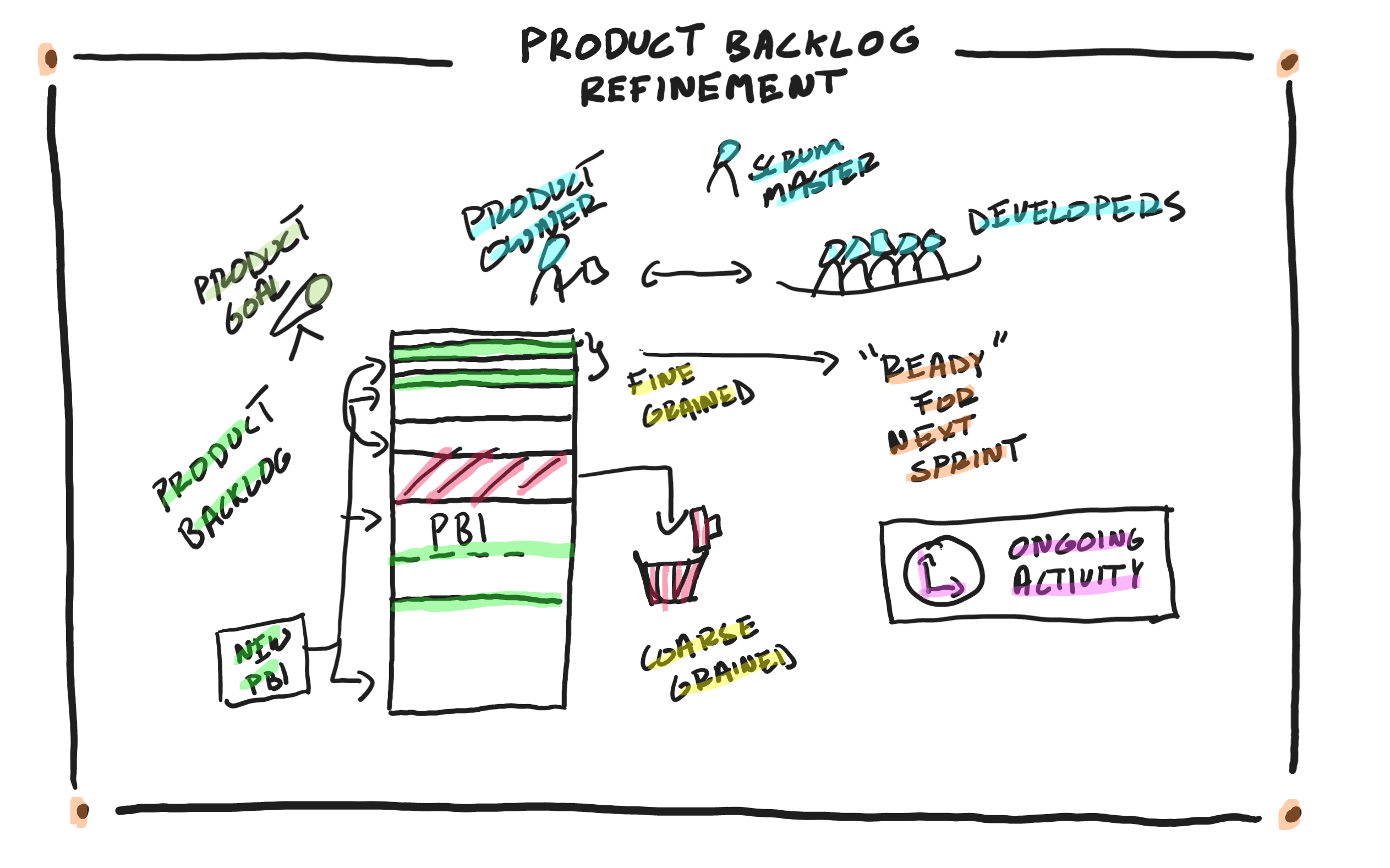
Key responsibilities for a Senior Finance Product Owner typically include:
- Backlog Refinement: Prioritizing features based on business value and technical urgency to ensure the development team is always working on the most impactful tasks.
- Stakeholder Management: Acting as the liaison between CFOs, accountants, and software engineers to ensure the final product meets regulatory standards.
- Acceptance Criteria Definition: Establishing the exact conditions that a feature must meet to be considered “done” and functionally correct from a financial perspective.
- Roadmap Planning: Developing a long-term vision for how the financial system will evolve to support company growth and new market entries.
Navigating Microsoft Dynamics in an Agile Environment
Microsoft Dynamics 365 is not a static piece of software; it is an evolving ecosystem. For a Product Owner, the challenge lies in deciding when to use “out-of-the-box” functionality and when to request custom development. Over-customization in an ERP can lead to “technical debt,” making future updates difficult and expensive. A senior PO must possess the foresight to maintain a clean system architecture while still meeting specific business needs.
The integration of Agile methodologies into the deployment of Dynamics 365 allows companies to release updates in smaller, more manageable increments. Instead of a massive “go-live” date that risks systemic failure, an Agile approach enables the rollout of specific modules—such as accounts payable or fixed assets—in iterative sprints. This reduces operational risk and allows for continuous feedback from the end-users in the finance department.
The “Senior” Distinction in Product Ownership
The designation of “Senior” in this job posting implies a level of autonomy and strategic influence. While a junior PO might focus on writing individual tickets, a senior PO is expected to influence the overall architecture of the financial system. They must understand how a change in the general ledger affects reporting in other modules and how those changes impact the company’s overall data integrity.
senior roles often require a blend of certifications and lived experience. Proficiency in Scrum or Kanban is standard, but the added layer of financial domain expertise—such as knowledge of IFRS (International Financial Reporting Standards) or GAAP (Generally Accepted Accounting Principles)—is what separates a generalist PO from a Finance Product Owner.
The Rise of Remote Tech Hubs in Argentina
The decision to hire for this role in Argentina is reflective of a broader shift in global talent acquisition. Argentina has emerged as a primary hub for “nearshoring” for North American and European firms due to its high concentration of skilled software engineers and financial analysts.
The time-zone alignment between Argentina and the Americas makes it an ideal location for remote roles that require high levels of synchronous communication, such as the Product Owner role. Because the PO must be constantly available for “daily stand-ups” and stakeholder meetings, the ability to work within a similar time window is often more valuable than the physical location of the employee.
the Argentine tech ecosystem is characterized by a strong educational foundation in computer science and mathematics, providing a fertile ground for roles that require the analytical rigor necessary for managing enterprise financial systems.
Key Takeaways for Prospective Candidates
- Domain Expertise is Non-Negotiable: Success in this role requires a dual fluency in financial accounting and software development lifecycles.
- Tool Proficiency: Mastery of Microsoft Dynamics 365 is the core technical requirement, specifically within the Finance and Operations modules.
- Methodological Rigor: Candidates must be able to demonstrate how they apply Agile principles to a domain (Finance) that is traditionally resistant to iterative change.
- Remote Communication: In a remote setting, the ability to document requirements clearly and communicate asynchronously is critical for avoiding development bottlenecks.
What This Means for the Enterprise Software Market
The demand for roles like the Senior Finance Product Owner signals a maturation of the cloud ERP market. Companies are no longer simply “installing” software; they are “productizing” their internal business processes. By treating their financial system as a product rather than a tool, organizations can iterate on their business models with the same speed that they iterate on their customer-facing apps.

This shift is driving a convergence of roles. We are seeing the “Accountant” evolve into the “Financial Systems Architect” and the “Project Manager” evolve into the “Product Owner.” This evolution is essential for companies aiming for digital transformation, as it removes the silos between the people who understand the money and the people who write the code.
As Talent Connect fills this position, it highlights a continuing trend: the most valuable players in the current economy are those who can speak two “languages”—the language of business and the language of technology—simultaneously.
For those tracking this opening or similar roles, the next step is typically the submission of a portfolio or a case study demonstrating a successful ERP implementation using Agile methodologies. Candidates are encouraged to monitor official job boards and professional networks for updates on the application window.
Do you have experience transitioning a finance department from Waterfall to Agile? Share your thoughts or challenges in the comments below.
Related reading