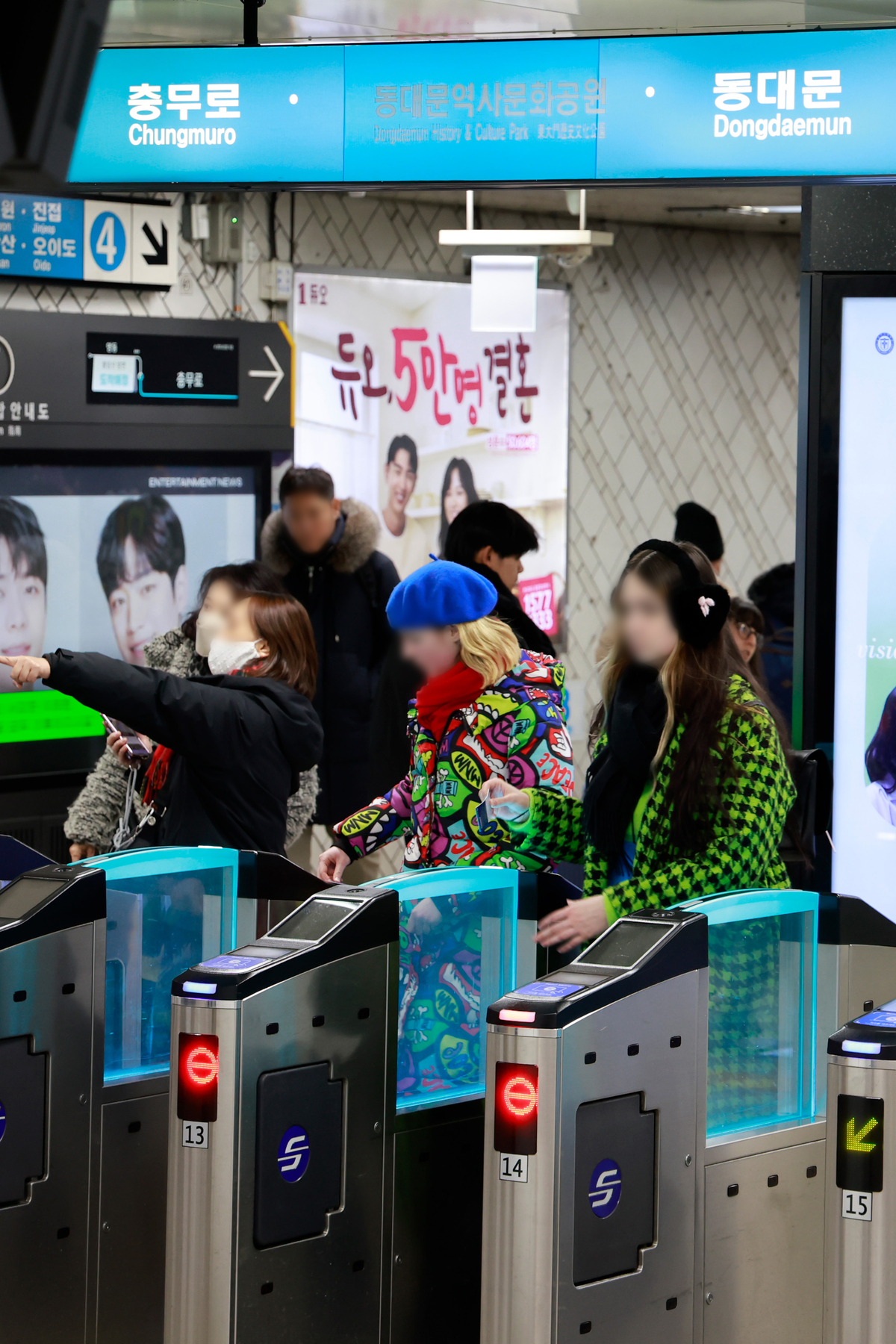
Seoul’s subway system has seen a significant uptick in usage among international visitors since introducing the ability to purchase and recharge transportation cards using foreign credit cards and mobile payment options. According to data released by Seoul Metropolitan Subway, the service recorded an average of over 9,000 daily users during its first month of operation, marking a notable shift in accessibility for foreign travelers navigating the city’s extensive transit network.
The initiative, launched on March 17, 2026, allows passengers to apply internationally issued credit cards and select digital wallets at upgraded ticket kiosks across Lines 1 through 8. This development eliminates the need for currency exchange or seeking out local payment methods before boarding, streamlining access for tourists and short-term visitors. Officials reported that during the period from March 17 to April 17, 2026, an average of 9,158 individuals utilized the service each day, collectively processing approximately 70 million won in transactions.
Transaction analysis revealed distinct patterns in both volume and payment preference. Seoul Station emerged as the top location for foreign card usage, averaging 5.26 million won in daily sales across 961 transactions. Hongik University Station followed closely with 4.99 million won per day from 880 transactions, even as Myeongdong Station recorded 2.82 million won daily from 893 transactions—figures consistent with their status as major hubs for international tourism and commerce.
Payment method breakdown showed Visa as the most frequently used credit card network, accounting for an average of 3,788 daily transactions. Among mobile payment platforms, WeChat Pay dominated with 2,069 average daily uses, significantly outperforming domestic alternatives such as Samsung Pay or Apple Pay, which recorded only 628 combined daily transactions. This disparity highlights the strong presence of Chinese tourists and the effectiveness of aligning transit payment options with widely used regional financial tools.
The policy change also coincided with a measurable increase in the adoption of short-term passes. Data indicates that recharges for the 1-, 2-, 3-, 5-, and 7-day Gogiroute (Climate Friend) cards doubled compared to the same period in the previous year. Where approximately 120,000 such recharges were recorded in the prior year, the figure rose to nearly 240,000 during the March–April 2026 window, suggesting that easier payment access is directly influencing travel behavior among visitors.
Seoul Metropolitan Subway emphasized that the service remains limited to specific transaction types: foreign-issued cards can only be used to purchase single-ride tickets or to top up short-term Gogiroute passes. Monthly commuter passes and stored-value balances on standard T-money cards are not currently eligible for foreign card payment, a restriction officials said is tied to existing fare integration and backend settlement protocols.
The rollout reflects broader efforts by South Korean authorities to enhance the visitor experience ahead of continued growth in inbound tourism. By reducing friction at one of the most common touchpoints—transit access—the city aims to improve satisfaction and encourage longer stays or repeat visits. Transportation analysts note that seamless mobility infrastructure often correlates with higher tourist spending in retail, dining, and cultural sectors.
As of late April 2026, officials have not announced plans to expand the foreign card payment function to additional subway lines or to integrate it with regional rail services such as the AREX or Korail commuter lines. Any future modifications would require coordination between Seoul Metropolitan Subway, the Ministry of Land, Infrastructure and Transport, and financial service providers to ensure compliance with payment security standards and interoperability requirements.
For the most current information on transit payment options, including updates on eligibility, supported cards, and station availability, travelers are encouraged to consult the official Seoul Metropolitan Subway website or contact multilingual customer service centers located at major stations.
What are your experiences using public transit in Seoul as an international visitor? Have recent payment improvements made your travels easier? Share your thoughts in the comments below and help others navigate the city with confidence.
Keep reading