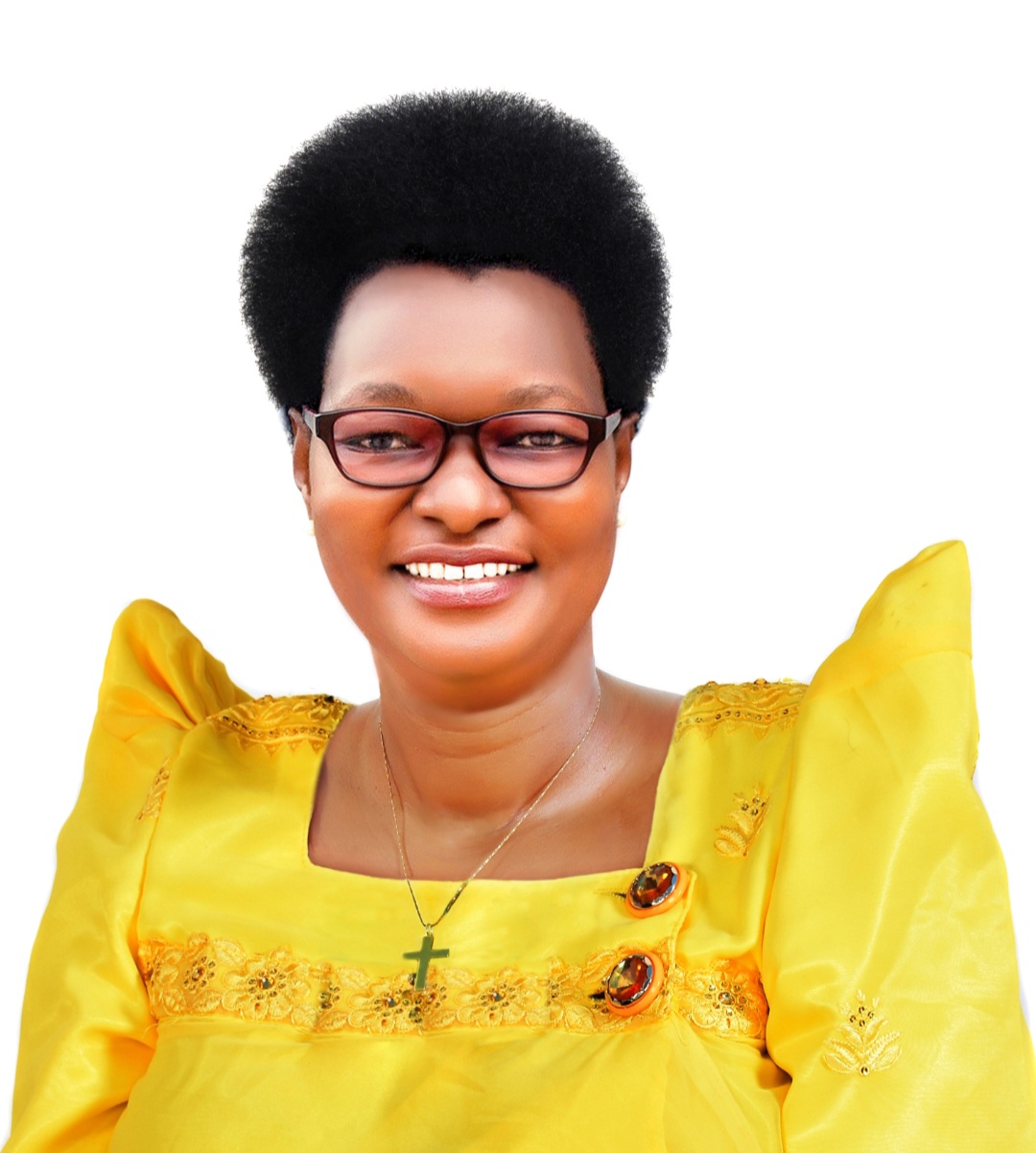
NRM Tribunal upholds Hellen Adoa’s Victory in Serere District Woman MP Primaries
The political landscape in Serere district, Uganda, remains firmly with incumbent Hellen Adoa following a decisive ruling by the National Resistance Movement (NRM) Tribunal. Yesterday, August 12, 2025, the tribunal dismissed an election petition challenging Adoa’s win as the party flagbearer for the Serere District Woman Member of parliament seat. This decision solidifies her position as the NRM’s candidate heading into the general elections, and underscores the importance of understanding the NRM election process and its dispute resolution mechanisms.
Tribunal’s Reasoning: Insufficient Evidence of Malpractice
The three-member panel, led by John Musiime, found that petitioner Esther Lucy Acom failed to provide compelling evidence to substantiate claims of electoral malpractice during the July 17th NRM primaries. The ruling explicitly stated the petition was dismissed and Adoa’s declaration as the duly elected flagbearer was upheld. This highlights the high evidentiary standard required to successfully challenge election results within the NRM structure.
Adoa, currently serving as the Minister of State for Fisheries, expressed gratitude for the outcome. She attributed the victory to divine grace and called for unity within Serere District. “We thank God for His grace that has prevailed throughout,” she stated, referencing 1 Samuel 7:12.
Implications for the Upcoming General Elections
This ruling significantly impacts the dynamics of the upcoming general elections in Serere. Adoa now faces the challenge of unifying the party and appealing to a broader electorate. Recent data from the Electoral Commission of Uganda shows a consistent trend of high voter turnout in parliamentary elections, averaging around 68% nationally in the last three cycles. https://www.ec.or.ug/ Successfully mobilizing this electorate will be crucial for Adoa’s success.
The dismissal of the petition also raises questions about the effectiveness of internal party dispute resolution mechanisms. While the NRM Tribunal provides a platform for addressing grievances, the requirement of “sufficient evidence” can be a notable hurdle for petitioners. This is a common challenge in electoral disputes across Africa,as noted in a 2024 report by the African Union. https://au.int/en/
Understanding the NRM Primaries and Dispute Resolution
The NRM primaries are a critical stage in Uganda’s electoral process. They determine which candidates will represent the ruling party in the general elections. The process often involves intense competition, and allegations of malpractice are not uncommon. The NRM Tribunal serves as the first line of appeal for those who believe the primaries were conducted unfairly.
Here’s a breakdown of the key steps:
Primary Elections: NRM members vote for their preferred candidates.
Petition Filing: Disgruntled candidates can file a petition with the NRM Tribunal.
Evidence Presentation: Petitioners must present evidence supporting their claims.
Tribunal Ruling: The tribunal reviews the evidence and issues a ruling.
Appeal (Limited): Options for further appeal are often limited within the NRM structure.
Addressing Common Concerns: electoral Integrity in Uganda
Concerns about electoral integrity are frequently raised in Ugandan politics. Issues such as voter bribery, intimidation, and manipulation of voter registers have been documented by both domestic and international observers.The NRM has consistently pledged to address these concerns and ensure free and fair elections. However, continued vigilance and robust oversight are essential.Related Keywords: Ugandan elections, NRM primaries, election disputes, Serere MP election, Hellen Adoa victory. Semantically related terms include political tribunals, electoral process, and Ugandan political landscape. LSI keywords include voter turnout, election malpractice, and political party primaries*.
Evergreen Insights: The Role of Political Tribunals in African Democracies
Political tribunals, like the NRM tribunal, play a vital role in maintaining stability and legitimacy within African democracies. They provide a mechanism for resolving electoral disputes peacefully and preventing escalation of tensions. However, their effectiveness hinges on several factors: independence, impartiality, clarity, and access to justice. Strengthening these aspects is crucial for building trust in the electoral process and fostering democratic governance.The long-term health of Ugandan democracy depends on a robust and credible system for resolving electoral disputes.