
The rapid evolution of “frontier” artificial intelligence promises to revolutionize clinical workflows and operational efficiency across the global healthcare landscape. However, a significant barrier is emerging that could fundamentally reshape the trajectory of medical innovation: the prohibitive cost of regulatory compliance.
While many frontier model companies are increasingly marketing themselves as “HIPAA-ready,” the reality of accessing these tools within the strict legal frameworks of United States healthcare privacy is proving to be a massive financial hurdle. For many health systems, the “door” to compliant AI is not just heavy—it may be entirely out of reach.
Gonzalo Romero Lauro, a prominent leader in digital health and health information technology, recently highlighted this growing tension. His observations suggest that when compliance is treated as a premium tier rather than a foundational requirement, it creates a structural barrier to the responsible adoption of AI in medicine.
A Premium Tier for Basic Compliance?
In the healthcare sector, the ability to handle protected health information (PHI) securely is not an optional upgrade; it is a legal necessity. This represents typically managed through a Business Associate Agreement (BAA), a contract that ensures a service provider will appropriately safeguard patient data in accordance with the Health Insurance Portability and Accountability Act (HIPAA).
However, recent industry reflections indicate a mismatch between the scale of AI utility and the cost of legal access. Romero Lauro noted that during engagements with leading frontier AI providers, one organization required a seven-figure annual commitment simply to secure HIPAA-ready access. Below that price point, the only available option was non-compliant, self-service access—a path that is fundamentally incompatible with the fiduciary and legal responsibilities of a healthcare provider.
This pricing structure presents a significant logic gap. In healthcare, the value of AI is rarely found in a single, massive, nine-figure use case. Instead, the true impact of artificial intelligence is found in the accumulation of hundreds of smaller, incremental improvements across diverse clinical and operational workflows. When the entry price for compliance is set at seven figures, the economics of AI adoption shift from “value-driven” to “capital-intensive,” favoring only the wealthiest institutions.
The Growing Divide Between Large and Rural Health Networks
The current trajectory of AI pricing threatens to deepen the existing digital divide in the healthcare industry. As frontier AI becomes a prerequisite for modern medical practice, the high cost of compliant access risks creating a two-tiered system of care.
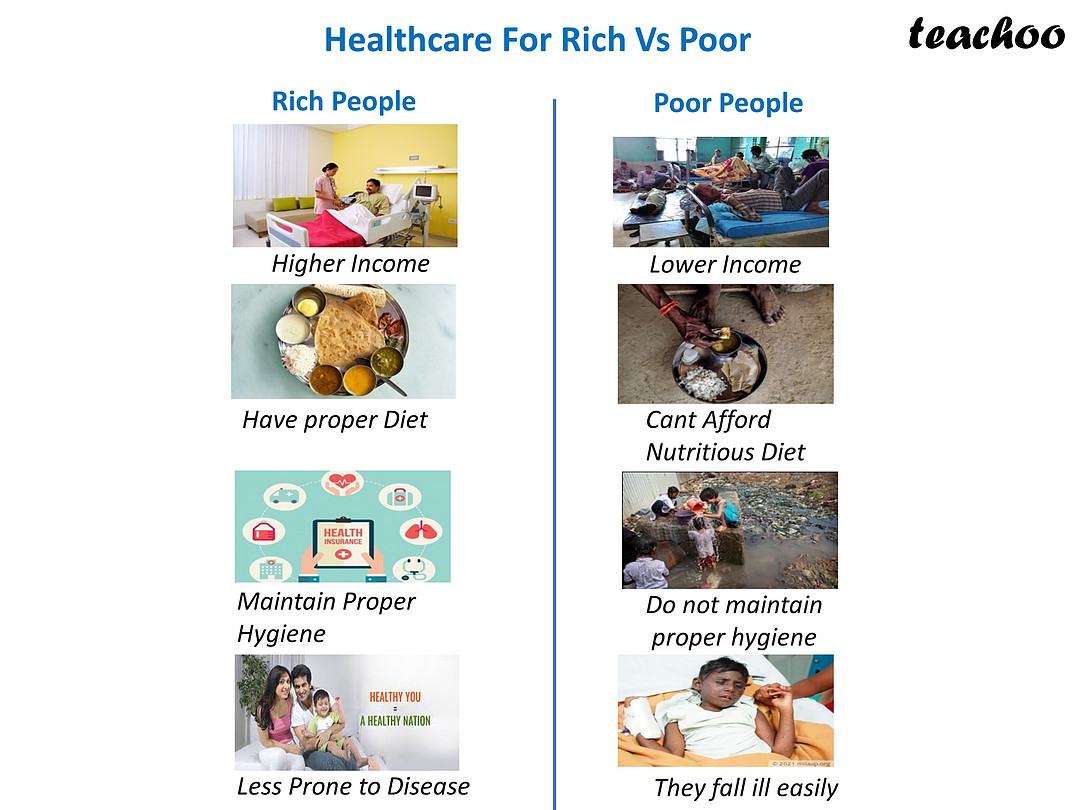
On one side, large, well-capitalized academic medical centers and massive health networks may be able to absorb the multi-million dollar costs required to secure strategic partnerships and HIPAA-compliant APIs. On the other side, community hospitals, rural health systems, and smaller independent networks may find themselves technologically sidelined.
This concentration of advanced technology in a few elite institutions has profound implications for public health and health equity. If the most advanced diagnostic and operational tools are only available to those who can afford premium compliance tiers, the “democratization of AI” often discussed by industry leaders may remain a theoretical concept rather than a clinical reality. The risk is a future where the quality of AI-augmented care is determined by a health system’s balance sheet rather than patient need.
Moving Toward a Model-Agnostic AI Strategy
To navigate these economic and regulatory hurdles, many health IT leaders are abandoning the pursuit of single-vendor dominance in favor of a more flexible, “model-agnostic” strategy. This approach is designed to maintain agility and prevent the risks associated with vendor lock-in.
A model-agnostic framework typically relies on a diversified ecosystem of technologies, including:
- Open-source models: Utilizing highly capable, community-driven models that can be scrutinized and controlled internally.
- Self-hosted solutions: Deploying AI models on a health system’s own private infrastructure to ensure maximum data sovereignty, and security.
- HIPAA-compliant cloud access via APIs: Using specialized, secure pathways to connect to various models as needed, rather than committing to a single proprietary platform.
By building a modular AI architecture, health systems can select the best tool for a specific clinical or operational task without being forced into a massive, all-encompassing contract. This allows for a more granular deployment of technology, where the cost of each implementation is directly tied to its measurable clinical or operational value.
Key Takeaways for Health IT Leadership
- Compliance is not an upgrade: HIPAA-ready access and Business Associate Agreements (BAAs) must be viewed as the baseline for any healthcare AI engagement, not a premium feature.
- The pricing mismatch: Seven-figure entry costs for compliant access conflict with the incremental, workflow-based nature of AI value in healthcare.
- Equity risks: High compliance costs may exacerbate the technological gap between large health networks and rural or community hospitals.
- Strategic flexibility: A model-agnostic approach—combining open-source, self-hosting, and targeted API usage—offers a more sustainable path to AI adoption.
As the industry moves forward, the challenge for both AI providers and healthcare leaders will be to ensure that the pursuit of cutting-edge innovation does not come at the expense of broad, equitable access to modern medical technology.
We will continue to monitor regulatory updates and industry pricing shifts regarding AI in healthcare. For further analysis on medical innovation and health policy, please subscribe to our newsletter and share your thoughts in the comments below.
Keep reading