
Sexually transmitted infections (STIs) remain a significant global public health challenge, with the World Health Organization (WHO) estimating that more than 1 million people acquire a sexually transmitted infection every single day. Despite the high prevalence of these conditions, social stigma and embarrassment frequently act as barriers to early diagnosis and effective treatment, often leading to delayed medical intervention and an increased risk of complications. Public health experts emphasize that normalizing clinical screening and de-stigmatizing the conversation around sexual health are essential steps in controlling the spread of these infections.
As a physician, I have frequently observed how the psychological weight of shame prevents patients from seeking the care they need. From my practice in Berlin to global health observations, the pattern remains consistent: when individuals view an infection as a source of personal failure rather than a manageable medical condition, they are less likely to visit a clinic or inform their partners. This silence not only harms the individual but facilitates the continued transmission of pathogens within communities.
The Impact of Social Stigma on STI Management
Stigma functions as a primary driver of morbidity in the context of sexually transmitted infections. According to the Centers for Disease Control and Prevention (CDC), the emotional burden associated with an STI diagnosis can lead to anxiety, depression, and a reluctance to engage with healthcare providers. This fear of judgment often results in patients choosing to ignore symptoms or relying on unverified internet advice rather than seeking professional medical evaluation.

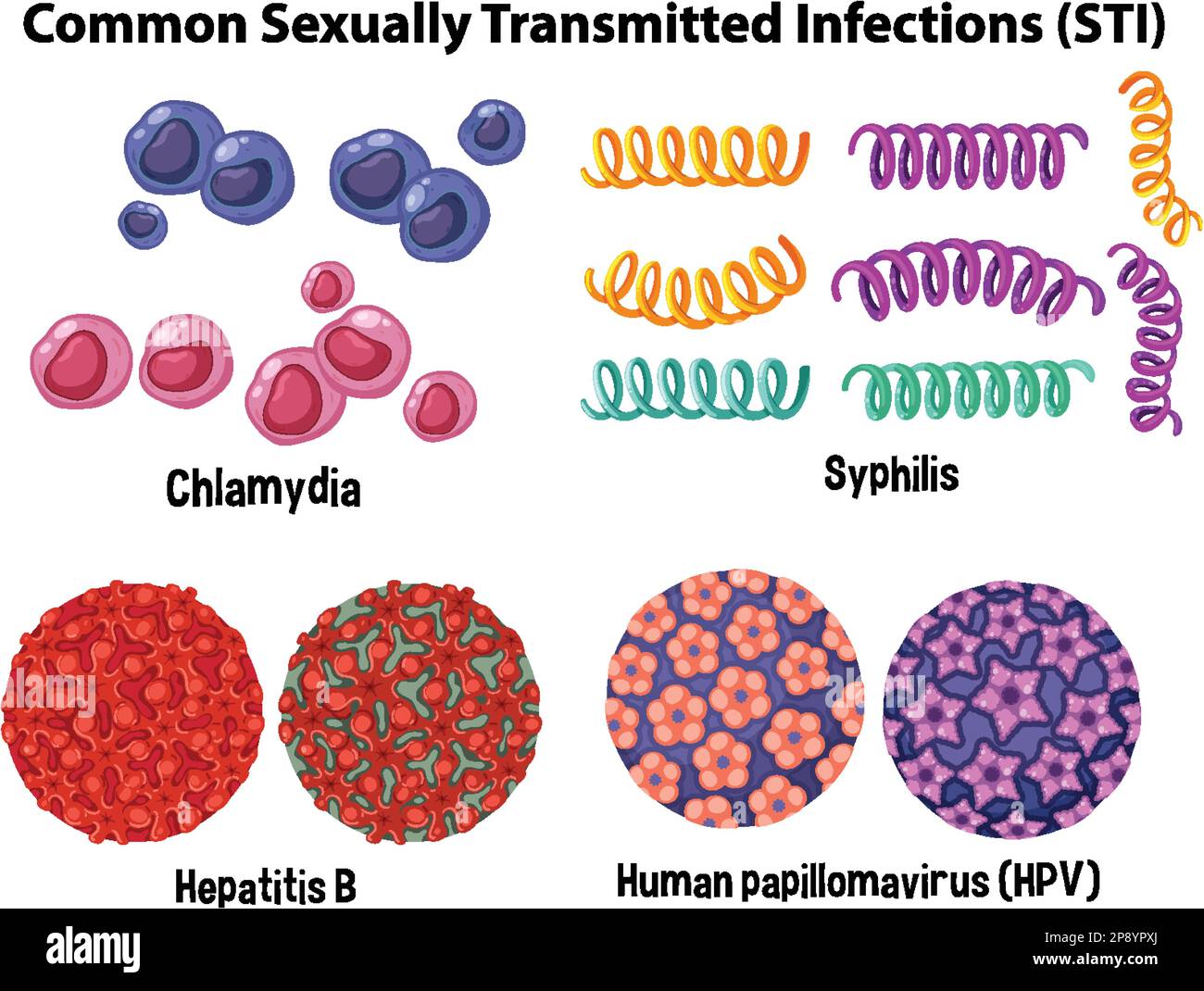
Medical professionals categorize STIs as infections caused by bacteria, viruses, or parasites that are passed from person to person through sexual contact. Common examples include chlamydia, gonorrhea, syphilis, and human papillomavirus (HPV). Because many of these infections are asymptomatic in their early stages, regular screenings are the only reliable way to detect them. When stigma discourages these screenings, individuals remain unaware of their status, inadvertently exposing others to infection and increasing the risk of long-term health consequences, such as pelvic inflammatory disease or infertility.
Diagnostic Challenges and the Role of Routine Screening
The clinical approach to STI management is built on the foundation of routine, non-judgmental testing. Clinical guidelines from the World Health Organization (WHO) recommend that sexually active individuals integrate STI screenings into their regular health maintenance, much like blood pressure checks or dental exams. By framing testing as a standard component of wellness, the medical community aims to decouple the act of testing from moral judgment.

Advancements in diagnostic technology have made testing more accessible and less invasive. Many clinics now offer rapid diagnostic tests that provide results in a short timeframe, reducing the anxiety associated with waiting for laboratory reports. Furthermore, the expansion of telehealth services has provided a discreet way for patients to consult with physicians and receive guidance on testing protocols without the perceived discomfort of an in-person office visit, provided that the telehealth service is affiliated with a licensed healthcare institution.
Preventive Strategies and Public Health Communication
Effective prevention strategies hinge on comprehensive education and the widespread availability of barrier methods, such as condoms, which remain highly effective at reducing the transmission of most STIs. Additionally, vaccination programs for preventable infections, such as HPV and Hepatitis B, have demonstrated a substantial impact on public health outcomes. The European Centre for Disease Prevention and Control (ECDC) highlights that high vaccination uptake is one of the most successful interventions in reducing the long-term burden of specific STIs in the population.
Communication campaigns play a vital role in shifting public perception. By utilizing clear, science-based messaging, public health organizations are working to replace myths with facts. This includes emphasizing that STIs do not discriminate based on age, gender, or social background. When the language used in public discourse shifts from “blame” to “health maintenance,” patients are statistically more likely to disclose their status to partners and seek treatment, which is the most effective way to break the chain of transmission.
Moving Forward: A Clinical Perspective
The path toward lower infection rates requires a systemic change in how society approaches sexual health. This involves training healthcare providers to conduct consultations with empathy and neutrality, ensuring that every patient feels safe disclosing their history and concerns. For patients, the most important action is to prioritize their physical health over the fear of social stigma. If you have concerns about your sexual health, scheduling an appointment with your primary care physician or a local specialized clinic is the most reliable way to receive an accurate diagnosis and treatment plan.
Looking ahead, health authorities continue to monitor trends in antibiotic resistance for common bacterial STIs, a development that underscores the urgency of early detection and adherence to prescribed treatment regimens. Regular updates on regional infection rates and testing guidelines are typically published by national health ministries and global organizations like the WHO. Staying informed through these official channels is the best way to maintain your health and contribute to the well-being of the community.
If you have found this information helpful, please share it with others to help foster a more informed and less stigmatized conversation regarding sexual health. We encourage readers to consult their local health department for information on the nearest testing centers and available resources.
Worth a look