
A ceasefire agreement between Israel and Hezbollah has officially come into effect, marking a potential pause in over a year of intensified cross-border hostilities. The deal, which was brokered through intensive diplomatic efforts led by the United States and France, seeks to halt the exchange of fire that has displaced tens of thousands of civilians on both sides of the Blue Line, according to a statement from the White House.
The cessation of hostilities began early Wednesday morning, local time, following approval from the Israeli security cabinet. President Joe Biden confirmed that the agreement is designed to allow civilians in both northern Israel and southern Lebanon to return to their homes, while providing a framework to prevent the re-emergence of militant infrastructure in the region. The deal follows months of escalating conflict that saw significant damage to infrastructure in southern Lebanon and frequent rocket fire directed into northern Israel.
The Terms of the Agreement
Under the terms of the ceasefire, the Lebanese Armed Forces (LAF) are expected to take primary responsibility for security in southern Lebanon, effectively replacing Hezbollah’s presence in the border region. According to the Reuters news agency, the agreement stipulates that Israeli forces will withdraw from southern Lebanon in phases over the next 60 days. During this period, the Lebanese military and security services will deploy to ensure that the area remains free of unauthorized armed personnel or weaponry.
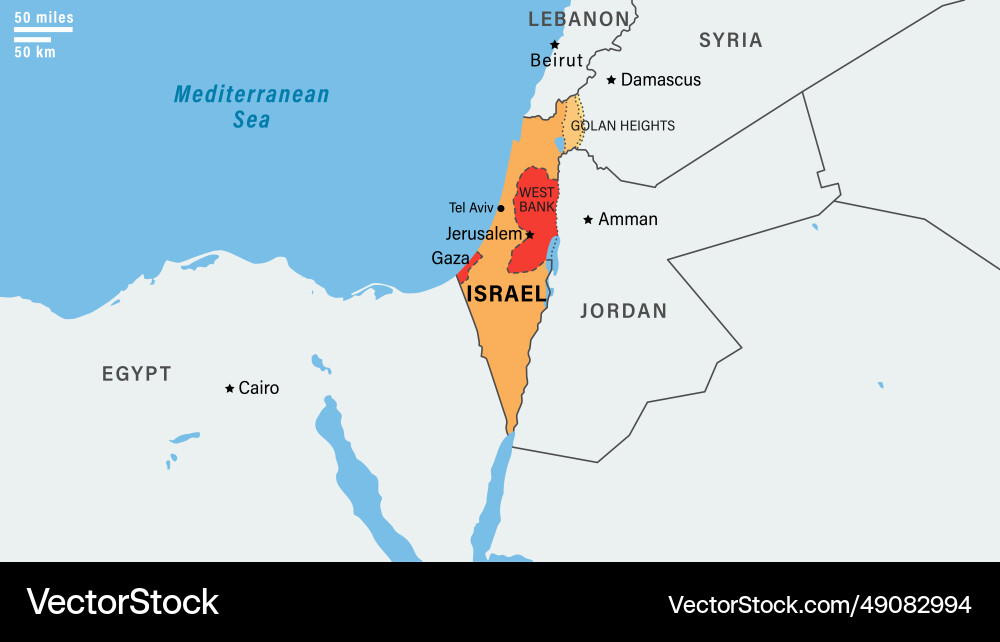
A multinational oversight committee, chaired by the United States, will monitor compliance with the agreement. This mechanism is intended to address reported violations and ensure that both sides adhere to the established conditions. The Israeli government has stated it reserves the right to take military action if Hezbollah attempts to rearm or reposition its forces near the border, a position emphasized by Prime Minister Benjamin Netanyahu in his address to the Israeli public.
Political Reaction and International Context
As the ceasefire took hold, President-elect Donald Trump, who is set to take office in January, engaged in public criticism regarding the broader regional strategy and past negotiations involving Iran. In a series of comments, Trump questioned the efficacy of existing diplomatic frameworks, particularly those involving Tehran’s influence in the Middle East. These remarks highlight the complex political landscape that the incoming administration will inherit, as international observers wait to see how the new US leadership will approach regional stability and the enforcement of the current agreement.
The conflict has had a devastating impact on local communities. In cities throughout southern Lebanon, residents have begun the difficult process of assessing damage to homes and infrastructure. The United Nations has reported that the violence resulted in significant civilian casualties and the internal displacement of over 800,000 people since the escalation intensified in September 2024. The humanitarian situation remains fragile as aid organizations work to provide essential services to those in affected areas.
What Happens Next
The transition to a stable peace remains contingent on the sustained cooperation of the Lebanese government, the deployment of the LAF, and the restraint of all involved parties. The 60-day window for the Israeli withdrawal is considered a critical period for testing the viability of the ceasefire. International monitors will be tasked with verifying the removal of heavy weaponry and the establishment of a buffer zone as outlined in the diplomatic documents.
Diplomatic efforts are now shifting toward the long-term stabilization of the border and the potential for a broader resolution to the underlying political tensions. Future updates regarding the implementation of the ceasefire, including reports from the monitoring committee, will be provided as they become available from official government sources. Readers are encouraged to monitor updates from the United Nations Interim Force in Lebanon (UNIFIL) for verified information on the security situation on the ground.
We welcome your thoughts on these developments in the comments section below. For ongoing coverage of international diplomacy and regional security, please share this report with your network.
Worth a look