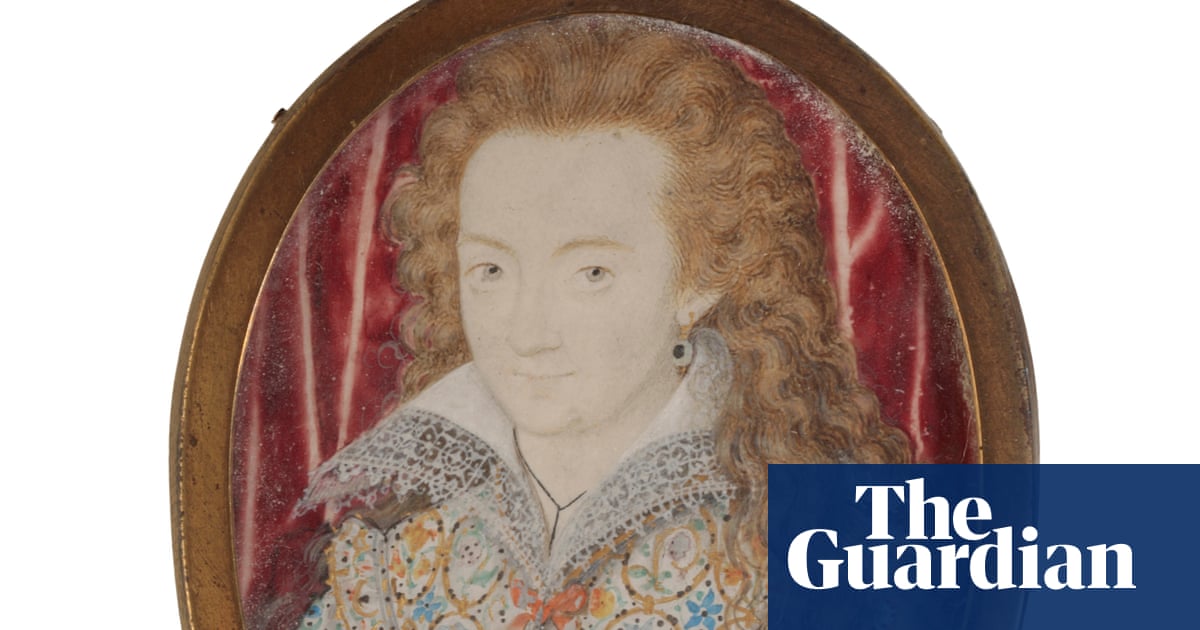
Newly Discovered Portrait May Depict Shakespeare’s Beloved patron, the Earl of Southampton
A remarkable miniature portrait, hidden away for over 150 years, has surfaced and is generating excitement among Shakespearean scholars. Initial analysis suggests the painting may be a depiction of henry Wriothesley,the 3rd Earl of Southampton,widely believed to be the “fair youth” addressed in Shakespeare’s sonnets. This discovery offers a perhaps groundbreaking visual link to one of literature’s most enduring mysteries.
the portrait came to light after its owners, possessing a family connection to Southampton, contacted art experts following news of another Hilliard miniature discovery. Remarkably, they were unaware of the work’s creator – Nicholas Hilliard, a leading portrait miniaturist of the Elizabethan era – or its potential ancient importance, having kept it stored in a box for generations.
A Portrait Unlike Any Other
This miniature has never been publicly displayed or documented, making its emergence all the more important. experts beleive the portrait dates to the early 1590s, capturing Southampton in his late teens, a period coinciding with the beginning of his patronage of Shakespeare.
Several details within the painting contribute to the compelling argument for its subject and its intimate nature. Consider these key observations:
Androgynous Beauty: The sonnets frequently describe the “fair youth’s” androgynous features. This portrait embodies that description, presenting a sitter with a delicate and captivating beauty. Cascading Ringlets: Shakespeare’s sonnet 99 compares the youth’s hair to “marjoram,” noting its long, curly tendrils. The portrait features the sitter clasping his distinctive, flowing auburn ringlets to his heart – a gesture suggesting deep emotion.
Unconventional Style: Long hair on men was uncommon and even criticized at the Elizabethan court, often seen as “womanish.” Yet, Southampton is depicted with a luxurious mane.
Pearl Bracelets: While frequently seen on women in portraits of the era, bracelets were rarely worn by men. The sitter in this miniature wears two.
Challenging Conventions and exploring Intimacy
These details collectively suggest a deliberate departure from conventional portraiture of the time. The sitter’s appearance initially challenges viewers to determine their gender. This ambiguity, coupled with the intimate gesture, leads experts to believe this could be one of the earliest examples of English homoerotic imagery.
furthermore, the portrait’s subtle nuances offer a fresh perspective on the enduring debate surrounding the identity of the sonnets’ addressee. You might recall the sonnets repeatedly emphasize the “fair youth’s” captivating beauty.This miniature provides a tangible representation of that beauty, potentially unlocking new insights into Shakespeare’s personal life and artistic inspiration.
This discovery isn’t just about identifying a face; it’s about understanding a relationship that fueled some of the most celebrated poetry in the English language. As research continues, this portrait promises to deepen our understanding of Shakespeare, his world, and the enduring power of love and art.