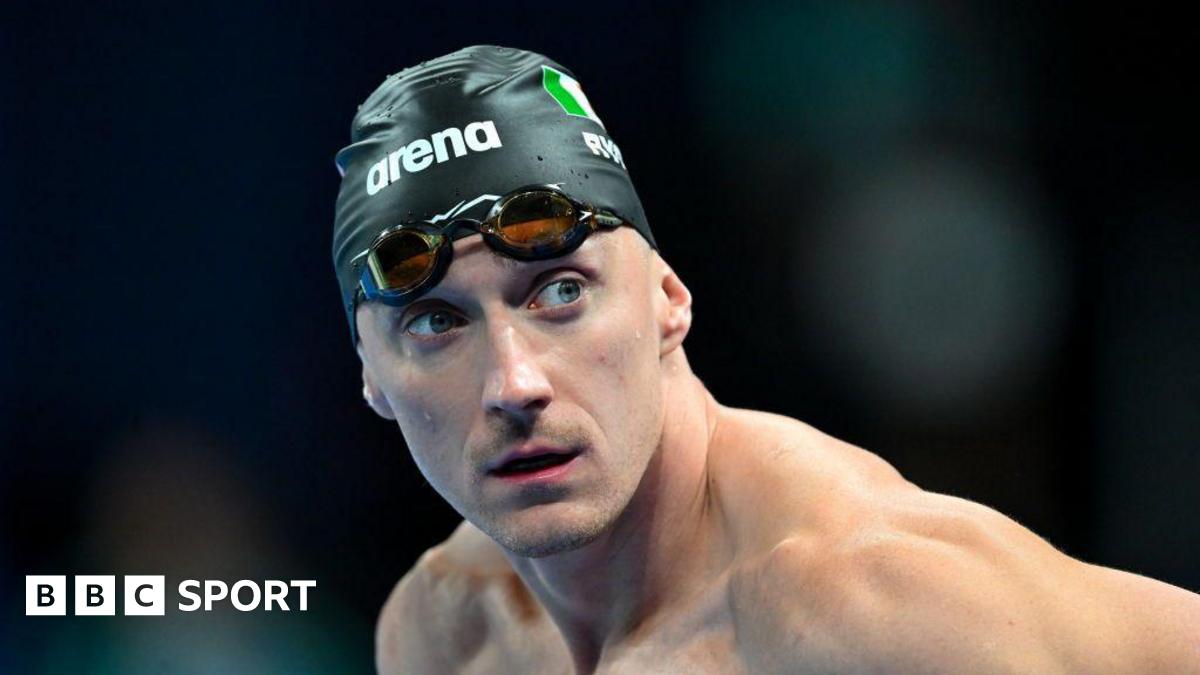
shane Ryan and the Enhanced games: A new Era of Athletic Competition or a Threat to Olympic Ideals?
The world of competitive sports is bracing for a seismic shift. Irish Olympic swimmer Shane Ryan, a veteran of three Olympic Games, has announced his participation in the Enhanced Games - a controversial multi-sport event explicitly permitting the use of performance-enhancing drugs. This decision, alongside similar commitments from athletes like Team GB’s Ben Proud and US sprinter Fred Kerley, is sparking intense debate. Is this the future of athletics, or a dangerous departure from the principles of fair play?
What are the Enhanced Games?
The Enhanced Games, slated to debut in Las Vegas in 2026, represent a radical departure from traditional sporting regulations. Unlike the Olympics or other major competitions, athletes competing in the Enhanced Games will be allowed to utilize performance-enhancing substances. The organizers argue this levels the playing field, acknowledging that such practices are already prevalent in some areas of elite sport, and shifts the focus to celebrating athletic achievement nonetheless of method.
The financial incentives are substantial. Each event boasts a total prize purse of $500,000, with a staggering $1 million reward for any competitor who breaks a world record. This lucrative prospect is clearly a major draw for athletes like Ryan,who recently retired from Olympic competition.
Why is Shane Ryan Joining?
Ryan, who represented Ireland in Rio 2016, Tokyo 2020, and Paris 2024 – becoming the first Irish swimmer to compete in three Olympics – frames his decision as a move towards a more honest and open approach to athletic performance. In a statement, he expressed excitement about “diving into this next chapter” after a decade dedicated to traditional competition.
But what’s driving this shift? Several factors are likely at play. The intense pressure to perform at the highest level, the financial rewards associated with success, and the perceived hypocrisy surrounding existing anti-doping regulations all contribute to the appeal of a competition that embraces, rather than prohibits, enhancement. Consider the rising costs of training and maintaining peak physical condition – the Enhanced Games offer a potentially significant financial boost.
The Backlash: Concerns and Criticisms
Ryan’s decision hasn’t been met with universal acclaim. Sport ireland has expressed “deep disappointment,” while Swim Ireland has severed ties, withdrawing all funding and services.The Olympic Federation of Ireland (OFI) has also condemned the move, stating it “stands in direct opposition to our core clean sport values.”
The core concerns are multifaceted:
* Ethical Implications: The fundamental principle of fair play is challenged when athletes are knowingly using substances to gain an advantage.
* Health Risks: Performance-enhancing drugs often carry significant health risks, even under medical supervision.
* impact on Olympic Sport: Will the Enhanced Games siphon talent away from traditional Olympic sports? Could it normalize doping, further eroding trust in the integrity of the Games?
* The Future of Anti-Doping: Does this signal a potential shift in the global approach to anti-doping regulations?
These are valid questions that demand careful consideration. The debate extends beyond the individual athletes involved and touches upon the very soul of competitive sport.
Understanding Performance Enhancement: Beyond Steroids
The conversation around “performance enhancement” is often narrowly focused on anabolic steroids. However, the landscape is far more complex. Modern performance enhancement encompasses a wide range of techniques and substances, including:
* Gene Editing: Emerging technologies like CRISPR offer the potential to alter an athlete’s genetic makeup to enhance performance.
* Pharmacological aids: Beyond steroids, this includes substances like EPO (erythropoietin) for endurance, beta-blockers for precision, and various peptides and hormones.
* Nutritional Strategies: advanced dietary plans and supplements designed to optimize recovery and performance.
* Neuroenhancement: Techniques aimed at improving cognitive function, focus, and reaction time.
The enhanced Games’ open approach aims to encompass all these methods, creating a competition where athletes can push the boundaries of human potential without fear of sanction. This is a key differentiator from traditional sports, where the focus remains on natural ability and rigorous testing.
The Rise of “Biohacking” and Athlete Empowerment
The Enhanced Games can be seen as part of a broader trend towards “biohacking” – the practice of using science and technology to optimize human performance. Increasingly,athletes are taking