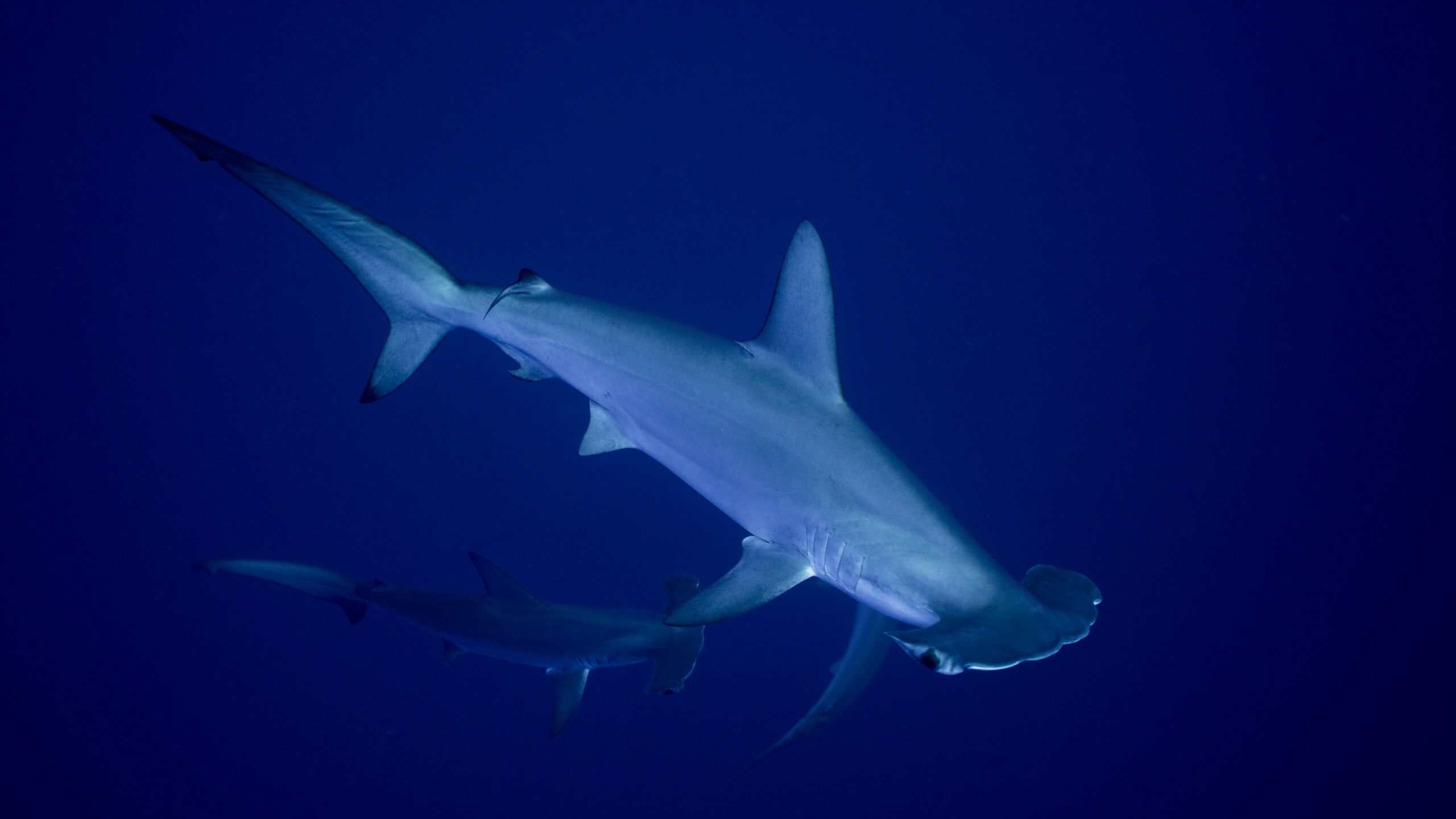
Landmark CITES Decisions Offer New Hope for Sharks and Rays Facing Extinction
For decades, the escalating demand for shark and ray products - particularly their livers – has flown under the radar of international regulation. But a pivotal shift occurred recently at the Convention on International Trade in Endangered Species (CITES), signaling a potential turning point in marine conservation. This article delves into the groundbreaking decisions made at COP20, their implications for vulnerable species, and what this means for the future of our oceans.
A History of Focused Conservation
Historically, CITES has largely concentrated on protecting iconic terrestrial animals like elephants, rhinos, and primates. While charismatic marine species like sea turtles received attention - leading to a successful international trade ban in 1981 and subsequent population recoveries – sharks and rays were often overlooked. Only within the last ten years has the convention begun to address the plight of these often-misunderstood creatures with increasing urgency.
COP20: A Unanimous Call for Change
This year’s COP20 conference marked an unprecedented moment.Every proposed protection measure for sharks and rays was adopted, with near-unanimous support from all 185 CITES member countries and the European Union. This level of consensus demonstrates a growing global awareness of the critical need to safeguard these species.
The Role of Global Trade
The urgency stems from a booming international trade. The European Union stands as a major player, responsible for over 20% of the global shark meat trade, according to the World Wildlife Fund. This trade,valued at over 2 billion euros,fuels the demand for shark products across Southeast and East Asian markets.
What Do the New CITES Listings Mean?
The decisions at COP20 translate into specific protections for a wide range of shark and ray species. Here’s a breakdown:
* Appendix II Listing: Gulper sharks (20 species), smoothhound sharks, and tope sharks have been added to Appendix II. This requires all CITES parties to:
* Strictly regulate international trade.
* Ensure trade is traceable.
* Verify biological sustainability.
* Temporary Trade Suspension: Critically endangered wedgefish and giant guitarfish – highly sought after for their valuable fins – are subject to a temporary suspension of international trade.
* Appendix I Listing: Oceanic whitetip sharks, whale sharks, manta rays, and devil rays now fall under Appendix I. This signifies they face a high risk of extinction due to trade and receive the highest level of protection, effectively banning international trade.
Why This Matters: Protecting Vulnerable Species
These listings aren’t just bureaucratic changes; they represent a lifeline for species teetering on the brink. The focus on traceability and sustainability under Appendix II aims to curb illegal fishing and ensure responsible trade practices. The complete trade ban for Appendix I species offers a crucial safeguard against further population decline.
But what specifically drives the demand for these species? Gulper sharks are primarily targeted for their livers, used in health supplements. Smoothhounds and tope sharks are fished for their meat, while wedgefish and guitarfish are prized for their fins, used in shark fin soup.
Evergreen Insights: The Importance of Marine Biodiversity
The health of our oceans is inextricably linked to the biodiversity within them. Sharks and rays play a vital role in maintaining the delicate balance of marine ecosystems. As apex predators, they regulate prey populations, preventing overgrazing and ensuring the health of coral reefs and other critical habitats. Protecting these species isn’t just about saving individual animals; it’s about preserving the overall health and resilience of our oceans.
Frequently Asked Questions About CITES and Shark/Ray Conservation
Q: what is CITES and why is it vital for shark and ray conservation?
A: CITES (the convention on International Trade in endangered Species) is an international agreement that regulates trade in endangered plants and animals. It’s crucial for shark and ray conservation because it provides a framework for controlling trade and preventing overexploitation.
Q: What does it mean for a species to be listed on CITES appendix I?
A: listing on Appendix I signifies that a species is facing a high risk of extinction due to trade. This results in a complete ban on international commercial trade of that species.
Q: How does a CITES Appendix II listing protect sharks and rays?
A: an Appendix II listing requires countries to regulate international trade to ensure it’s sustainable and doesn’t threaten the species’ survival. This includes traceability measures and proof of sustainable fishing practices.
**Q: Why is the European
- How Philadelphia Uses GIS Mapping to Tackle Kensington’s Housing Challenges
- Redmi Turbo 6 Max Leak: Apple-Inspired Design and Massive 10,000 mAh Battery
- Macklin Celebrini Signs Record $94M Extension With San Jose Sharks (archyworldys.com)
- Mets Pivot to Sellers as Freddy Peralta and Clay Holmes Draw Trade Interest (time.news)