
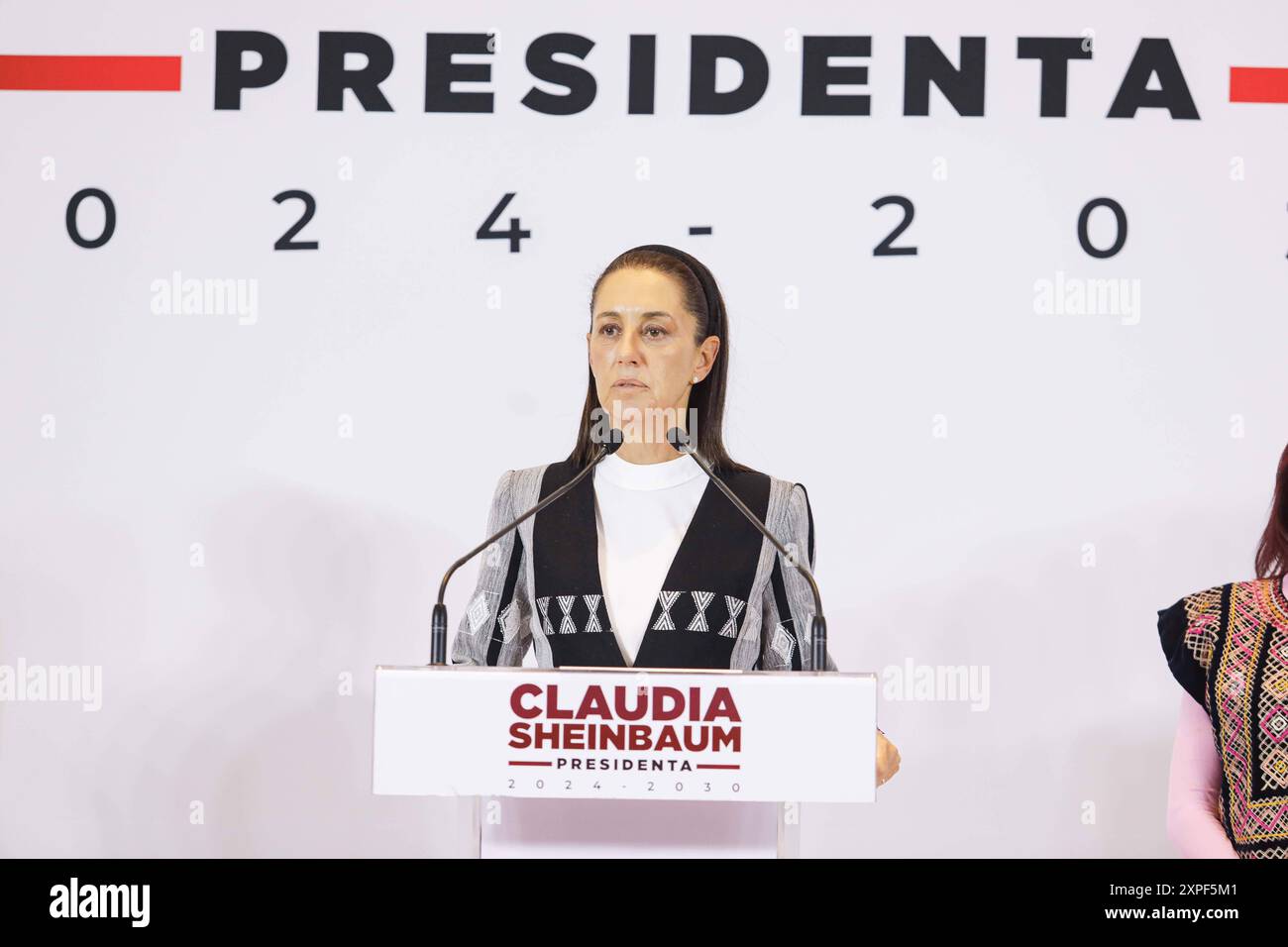
Mexican President Claudia Sheinbaum has publicly criticized the United States, accusing the nation of interfering in Mexico’s internal political affairs. The diplomatic tension follows reports regarding the revocation of U.S. Visas for two Mexican governors, a move that comes amid broader investigations into potential ties between state-level officials and organized crime syndicates.
For observers of North American diplomatic relations, this exchange marks a significant escalation in the rhetoric surrounding sovereignty and security cooperation. The controversy centers on the intersection of U.S. Immigration authority and the internal judicial processes of Mexico, highlighting the complexities of the binational relationship as both countries navigate shared challenges in border security and law enforcement. The accusation of meddling in Mexican affairs by the U.S. Government reflects a long-standing sensitivity in Mexican politics regarding foreign influence over domestic institutional integrity.
Understanding the Diplomatic Friction
The core of the current dispute involves the administrative decision by U.S. Authorities to rescind travel privileges for specific high-ranking Mexican officials. While the U.S. Department of State maintains broad discretion to revoke visas under the Immigration and Nationality Act, such actions against sitting governors carry significant political weight. According to established protocols, the U.S. Government is not required to provide specific public justification for the revocation of individual visas, citing privacy and national security interests as outlined in U.S. Department of State visa policy guidelines.
President Sheinbaum’s administration has characterized these actions as a form of unilateral pressure that bypasses established diplomatic channels. The contention is that such measures—when applied to elected officials—can undermine the sovereignty of Mexican states and influence domestic political perceptions. This incident arrives at a time when the U.S. And Mexico are engaged in ongoing discussions regarding the Bicentennial Framework for Security, Public Health and Safe Communities, which was established to foster collaborative law enforcement efforts rather than unilateral intervention, as detailed by the U.S. Department of State’s official portal.
The Intersection of Law Enforcement and Sovereignty
The allegations of links to organized crime remain a central, albeit sensitive, aspect of this narrative. In Mexico, the investigation of public officials is primarily the mandate of the Attorney General’s Office (Fiscalía General de la República). The involvement of foreign entities in vetting these officials—or signaling their lack of clearance—is viewed by some in the Mexican government as an overreach that complicates domestic anti-corruption efforts.
From a policy perspective, the revocation of visas is often used by the U.S. As a tool to encourage accountability and prevent individuals suspected of illicit activities from entering American territory. However, when these actions coincide with internal Mexican political cycles, they risk being interpreted as partisan interference. The challenge for both nations lies in balancing the necessity of intelligence-sharing and visa vetting with the diplomatic requirement to respect the judicial independence of a sovereign neighbor.
Impact on Binational Security Cooperation
The broader implications of this diplomatic spat could affect the efficacy of future security agreements. Cooperation between the two nations relies heavily on trust, particularly when sharing sensitive intelligence regarding criminal organizations. If the Mexican government perceives U.S. Visa policies as a tool for political coercion, it may lead to a cooling of cooperation in other critical areas, such as counter-narcotics operations and migration management.
Historically, the relationship between Washington and Mexico City has endured periods of intense scrutiny, yet the current administration’s vocal stance signals a desire to redefine the boundaries of acceptable influence. As both countries look toward future legislative and executive actions, the focus will likely remain on whether these administrative visa decisions are integrated into a broader, more transparent framework of cooperation, or if they continue to be used as isolated, high-pressure diplomatic levers.
What Happens Next
As of mid-2026, there have been no formal announcements regarding a change in the visa status of the individuals in question, nor has there been a public shift in the diplomatic posture from the U.S. Side. Observers should monitor upcoming meetings between the U.S. Embassy in Mexico City and the Mexican Secretariat of Foreign Affairs for any signs of a de-escalation or a new formal agreement regarding the communication of travel bans for public officials. Further updates on the status of these investigations are expected to emerge through the Secretaría de Relaciones Exteriores (SRE) as they continue to manage the state-to-state dialogue.
We invite our readers to share their insights on this developing situation. How do you believe the balance between security oversight and national sovereignty should be maintained in modern international relations? Join the conversation in the comments section below.
Keep reading