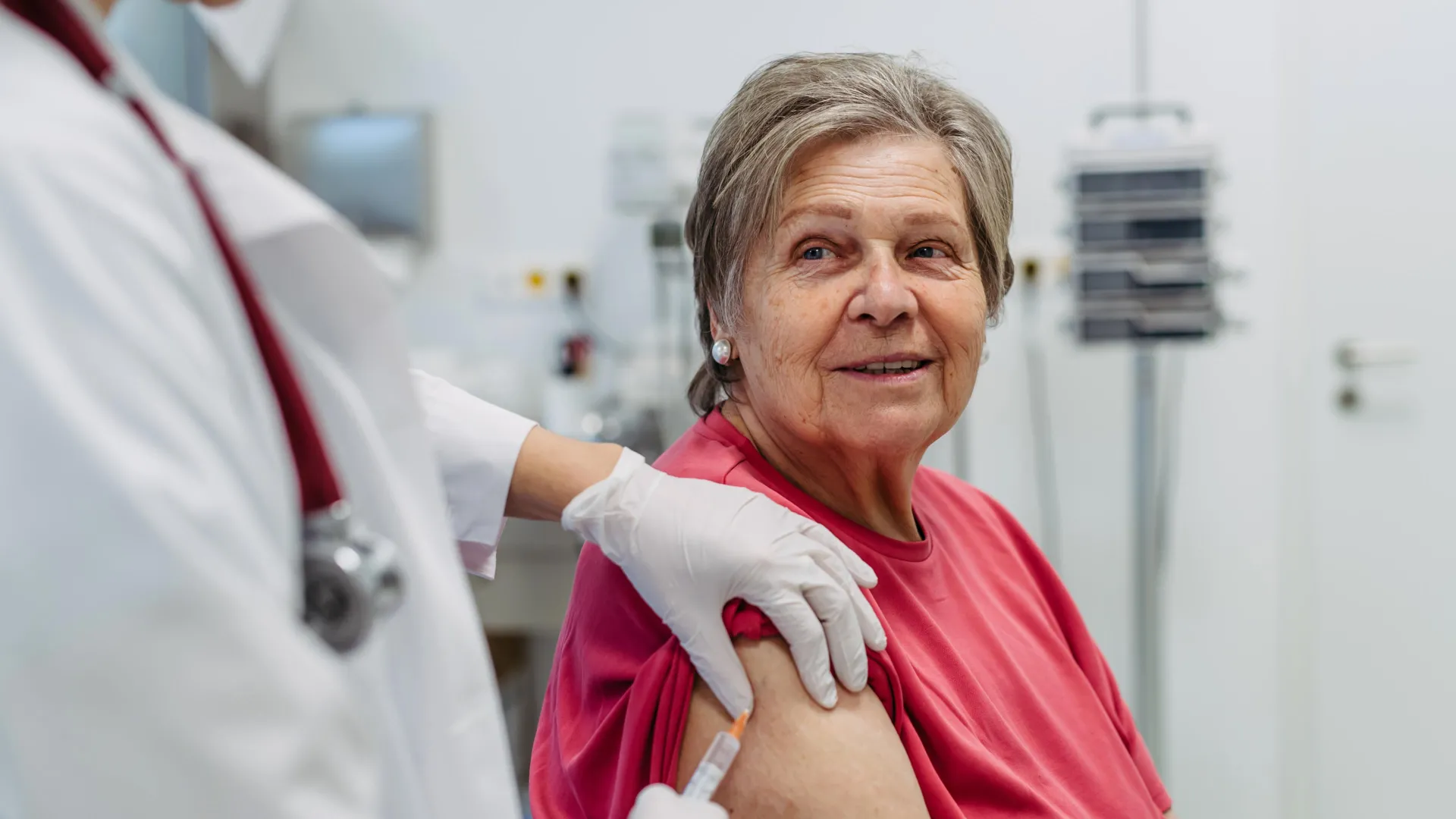
The shingles vaccine, traditionally administered to prevent a painful and debilitating rash, may offer a surprising additional benefit: slowing the pace of biological aging. Groundbreaking research from the USC Leonard Davis School of Gerontology suggests a link between shingles vaccination and markers of healthier aging in individuals over 70, adding to a growing body of evidence that adult vaccines could play a broader role in promoting overall health, and longevity. This potential impact extends beyond simply preventing infection, hinting at a modulation of fundamental biological systems.
The study, published in the Journals of Gerontology, Series A: Biological Sciences and Medical Sciences in January 2026, analyzed data from the nationally representative U.S. Health and Retirement Study, focusing on over 3,800 participants aged 70 and older in 2016. Researchers found that those who had received the shingles vaccine exhibited slower rates of biological aging compared to their unvaccinated counterparts, even after accounting for differences in health status and demographic factors. This finding is particularly significant given the increasing global population of older adults and the rising burden of age-related diseases.
Shingles, or herpes zoster, is caused by the reactivation of the varicella-zoster virus – the same virus that causes chickenpox. According to the Centers for Disease Control and Prevention (CDC), nearly 1 million Americans experience shingles each year. While anyone who has had chickenpox is at risk, the likelihood increases significantly with age, particularly after age 50, and in individuals with weakened immune systems. The condition manifests as a painful, blistering rash, often accompanied by fever and headache, and can lead to long-term nerve pain known as postherpetic neuralgia. Vaccination is a highly effective way to reduce the risk of both shingles and its complications.
Understanding Biological Aging: Beyond Chronological Years
It’s crucial to distinguish between chronological age – the number of years a person has lived – and biological age, which reflects the functional state of the body’s systems. Two individuals of the same chronological age can have vastly different biological ages, with one exhibiting the physiological characteristics of a younger person while the other shows signs of accelerated aging. Biological aging is influenced by a complex interplay of genetic, environmental, and lifestyle factors, and is increasingly recognized as a key determinant of healthspan – the period of life spent in good health.
To assess biological aging, the USC researchers evaluated seven key biomarkers: inflammation, innate immunity, adaptive immunity, cardiovascular hemodynamics (blood flow), neurodegeneration, epigenetic aging, and transcriptomic aging. These markers provide a comprehensive picture of the body’s functional capacity and its susceptibility to age-related decline. Epigenetic aging refers to changes in gene expression that don’t alter the DNA sequence itself, while transcriptomic aging examines changes in RNA production, which is crucial for protein synthesis. Combining these measurements allowed the researchers to create a composite biological aging score, providing a holistic assessment of each participant’s aging trajectory.
The Link Between Shingles Vaccination and Reduced Inflammation
The study revealed that participants who received the shingles vaccine demonstrated lower levels of inflammation, slower epigenetic aging, slower transcriptomic aging, and a lower overall biological aging score compared to those who were unvaccinated. This is particularly noteworthy because chronic, low-grade inflammation – often referred to as “inflammaging” – is a hallmark of aging and a major contributor to many age-related diseases, including cardiovascular disease, type 2 diabetes, and neurodegenerative disorders.
“By helping to reduce this background inflammation – possibly by preventing reactivation of the virus that causes shingles – the vaccine may play a role in supporting healthier aging,” explained Research Associate Professor of Gerontology Jung Ki Kim, the study’s first author. “While the exact biological mechanisms remain to be understood, the potential for vaccination to reduce inflammation makes it a promising addition to broader strategies aimed at promoting resilience and slowing age-related decline.” The researchers hypothesize that the vaccine’s ability to boost immunity and prevent viral reactivation may help to dampen the chronic inflammatory response that drives many age-related pathologies.
Long-Lasting Effects and Future Research Directions
Interestingly, the study also found that the benefits of shingles vaccination appeared to persist for several years. Participants who had been vaccinated four or more years prior to providing a blood sample still exhibited slower epigenetic, transcriptomic, and overall biological aging compared to unvaccinated individuals. This suggests that the vaccine’s effects are not merely transient, but may have a more enduring impact on the aging process. Published findings in PubMed indicate that epigenetic, transcriptomic, and overall composite biological aging improvements were most pronounced within three years post-vaccination, with slower aging persisting beyond this window.
Eileen Crimmins, USC University Professor and AARP Professor of Gerontology, emphasized the need for further research. “These findings indicate that shingles vaccination influences key domains linked to the aging process,” she stated. “While further research is needed to replicate and extend these findings, especially using longitudinal and experimental designs, our study adds to a growing body of perform suggesting that vaccines may play a role in healthy aging strategies beyond solely preventing acute illness.” Future studies could explore the optimal timing of vaccination, the potential for synergistic effects with other lifestyle interventions, and the underlying molecular mechanisms driving the observed benefits.
Implications for Public Health and Vaccine Strategies
The findings have significant implications for public health and vaccine strategies. As populations worldwide age, there is a growing need for interventions that can promote healthy aging and prevent age-related diseases. Vaccination, traditionally viewed as a means of preventing infectious diseases, may emerge as a powerful tool for modulating the aging process itself. This research adds to a growing body of evidence suggesting that adult vaccines, including those for influenza and pneumonia, may also offer protective effects against neurodegenerative diseases like Alzheimer’s disease and dementia.
The CDC currently recommends shingles vaccination for adults aged 50 and older, regardless of whether they have had chickenpox. The vaccine is highly effective in preventing shingles and postherpetic neuralgia, and is generally well-tolerated. Though, uptake rates remain suboptimal, highlighting the need for increased awareness and education about the benefits of vaccination. The potential for broader health benefits, including slower biological aging, could further incentivize vaccination and improve public health outcomes.
Key Takeaways:
- Shingles vaccination is associated with slower biological aging in adults aged 70 and older.
- The vaccine appears to reduce inflammation, a key driver of age-related diseases.
- The benefits of vaccination may persist for several years after administration.
- Further research is needed to confirm these findings and explore the underlying mechanisms.
- These findings support the growing recognition of vaccines as potential tools for promoting healthy aging.
The research team plans to continue investigating the link between vaccination and aging, with a focus on identifying the specific biological pathways involved. They also hope to explore whether other adult vaccines may offer similar benefits. As our understanding of the aging process deepens, vaccination may become an increasingly important component of a comprehensive strategy for promoting healthspan and improving the quality of life for older adults. The next step in this research will be a larger, longitudinal study to confirm these findings and explore the potential for clinical translation.
What are your thoughts on this emerging research? Share your comments below, and please share this article with anyone who might find it informative.
Related reading