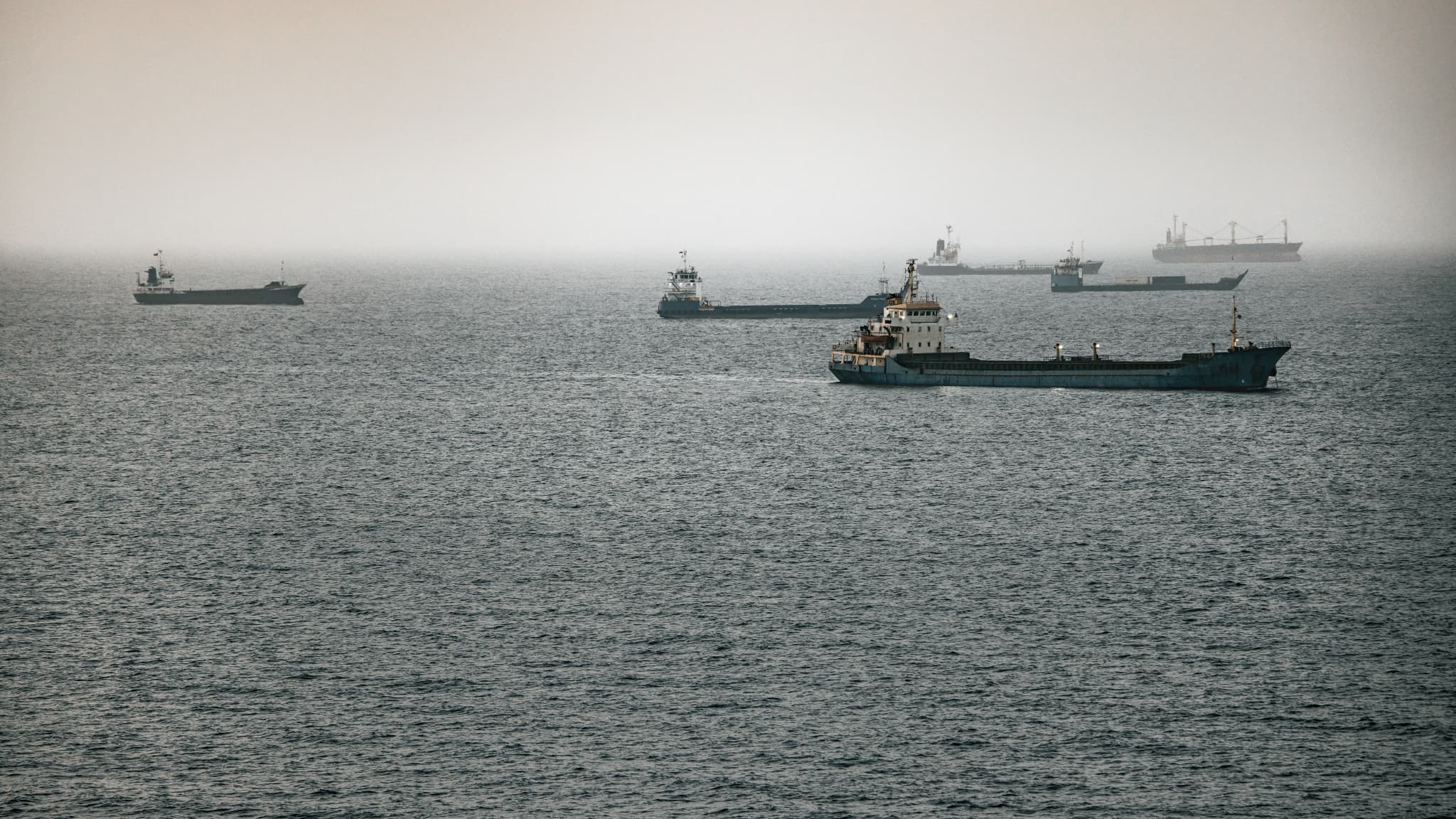
A commercial tanker was struck by an unidentified projectile while transiting the Strait of Hormuz on Monday, July 6, according to regional maritime security reports. While the vessel sustained minor structural damage, there were no reported injuries to the crew, and the ship was able to continue its voyage without requiring emergency assistance.
The incident occurred as the tanker navigated one of the world’s most critical maritime chokepoints, a region already experiencing heightened tensions due to ongoing geopolitical instability in the Middle East. Maritime authorities have not yet attributed the projectile to a specific state or non-state actor, and investigations into the origin of the strike remain ongoing.
Maritime Security and Regional Tensions
The Strait of Hormuz, located between Oman and Iran, serves as a primary transit route for approximately 20% of the world’s total petroleum consumption, according to data from the U.S. Energy Information Administration. Any disruption in this corridor carries significant implications for global energy markets and international shipping insurance rates.

Following the event on July 6, maritime security firms have reiterated warnings to vessels operating in the Persian Gulf and the Gulf of Oman. The United Kingdom Maritime Trade Operations (UKMTO) often acts as the primary conduit for relaying such security alerts, advising masters of vessels to report any suspicious activity or sightings of unmanned aerial vehicles (UAVs) or small craft in the vicinity. You can monitor official advisories through the UKMTO official portal for the latest notices to mariners.
Operational Impact and Safety Protocols
Initial assessments indicate that the projectile caused localized damage to the vessel’s hull but did not compromise its propulsion or steering capabilities. Industry standards for such encounters typically involve an immediate increase in the ship’s security level—known as the ISPS Code (International Ship and Port Facility Security Code)—and a diversion to the nearest safe port for a formal damage survey.
According to guidelines published by the International Chamber of Shipping, vessels operating in high-risk areas are encouraged to maintain a 24-hour bridge watch and to utilize citadel procedures if a boarding or direct attack is imminent. In this specific instance, the lack of injuries suggests that the projectile may have been intended as a warning or was insufficient to penetrate the vessel’s protected areas.
Challenges in Determining Attribution
Identifying the source of a projectile in the Strait of Hormuz presents significant technical and diplomatic challenges. Modern maritime attacks often involve the use of loitering munitions or small, fast-attack craft that leave little forensic evidence. Historically, various regional actors have been accused of harassment or sabotage in these waters, leading to complex investigations involving multiple national navies, including the U.S. Fifth Fleet based in Bahrain.
As of this report, no group has claimed responsibility for the July 6 incident. Analysts note that attributing such strikes requires high-resolution radar data, acoustic signatures, and often, satellite imagery, which are rarely released to the public in the immediate aftermath of a maritime security event. For verified updates on naval activities in the region, the U.S. Naval Forces Central Command provides periodic releases regarding maritime security operations.
Next Steps for Maritime Authorities
The investigation into the July 6 strike is expected to focus on the trajectory of the projectile and the specific type of ordnance used. Shipping companies are likely to reassess their risk profiles for the Strait of Hormuz, potentially leading to increased use of armed security details or changes to transit schedules.

The next confirmed checkpoint will be the release of a casualty and damage report by the ship’s operators or flag-state authorities, followed by potential updates from regional maritime monitoring agencies. As the situation develops, we will continue to provide updates on security advisories and market impacts. We encourage our readers to join the conversation below regarding the challenges of maintaining secure transit lanes in the Middle East.