The gaming industry is often defined by its rapid evolution, but few titles have commanded the cultural footprint of Destiny 2. For nearly a decade, Bungie’s flagship shooter served as more than just a game; it was a digital home for millions of players and a launchpad for a generation of content creators. This week, the community faced a sobering reality as news broke that the title would no longer receive content updates. The announcement has left many in a state of shock, triggering a wave of reflection across the creator ecosystem about the fleeting nature of live-service titles and the communities built around them.
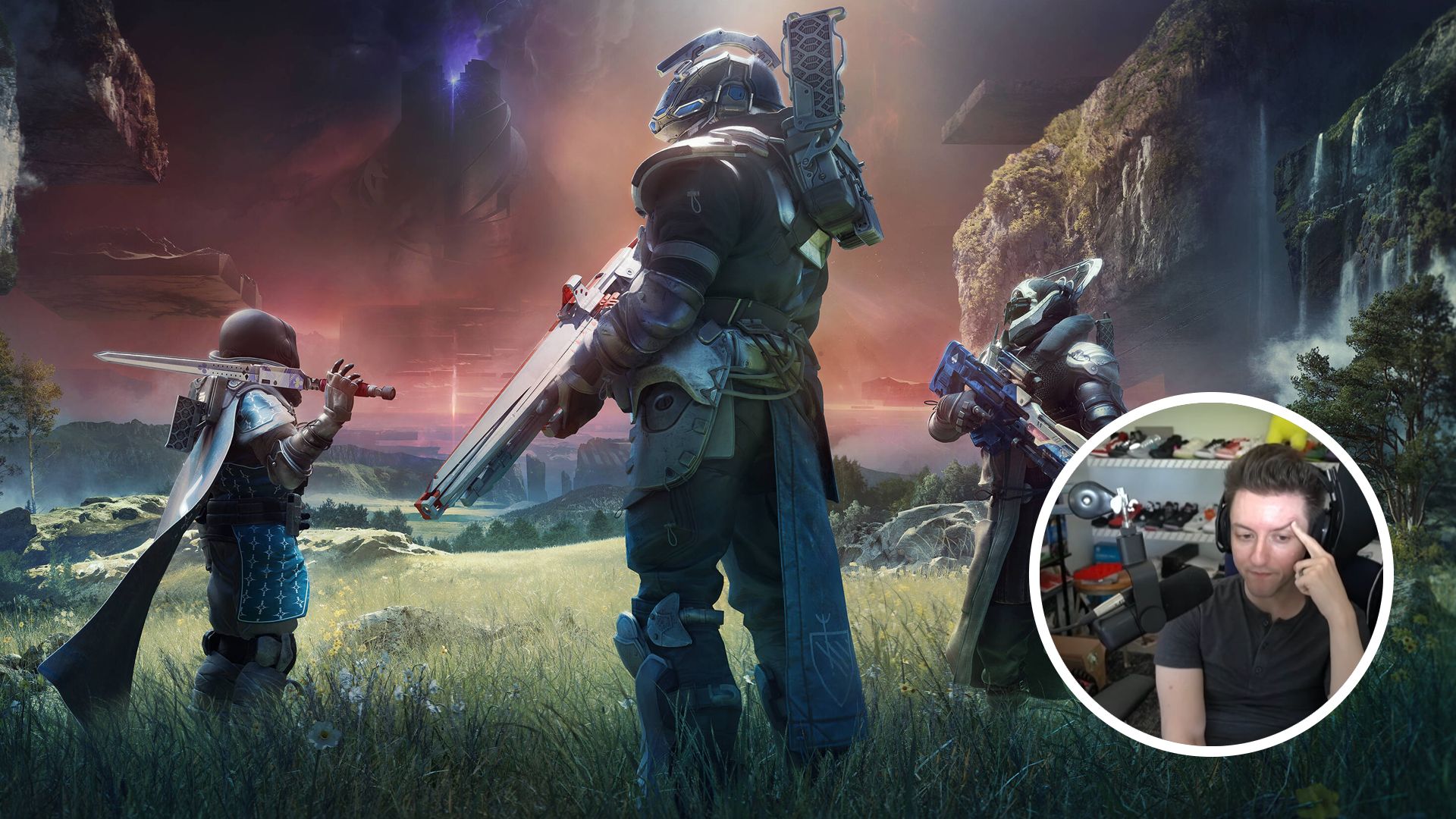
The impact of this shift is perhaps most visible among those who built their professional lives on the game’s foundation. For prominent streamers like Datto, who commands a subscriber base of 1.2 million on YouTube, the news hit with profound personal weight. During a recent stream, a visibly emotional Datto shared his struggle to process the announcement, noting, “I thought I would be ready to hear something like this, but I guess I’m just not.” He reflected on the trajectory of his career, explaining, “It’s been my entire adult life. I graduated college, I worked in television for like two-and-a-half, three years, trying to grind my way up, and then the YouTube channel took off in 2014 … it’s all I’ve known, it’s everyone I know. 99% of my friends have come from this experience. My career has been this experience.”
The End of an Era for Content Creators
For many, Destiny 2 was the crucible in which their creative identities were forged. The game’s unique combination of lore, high-stakes competition, and social interaction attracted a diverse array of personalities—from speedrunners and “PvP demons” to artists and musicians. Fallout, another influential streamer, spoke to the shift in perspective that accompanies such news. While he noted that he had been diversifying his content into other games, he acknowledged the unique significance of the Destiny franchise. “Destiny as a whole—not just the game, but the entire community itself—remains one of the most incredible and irreplaceable experiences I’ve ever had the privilege of being a part of,” he wrote.
The sentiment of loss is shared by creators who viewed their work not merely as a business, but as a labor of love. Cool Guy, a creator recognized for his technical deep dives into the game’s weaponry, emphasized that his involvement was never purely about metrics. “Destiny is the only game that ever made me want to create content,” he noted. “Not for views or a career, just to share something I genuinely loved with other people.” This perspective highlights a recurring theme: the “third space” that online games provide, where social bonds are formed that often transcend the digital environment. For some, like My Name is Byf, these connections led to life-changing personal milestones, including meeting his wife at community events such as GCX.
Industry Realities and the “Bottom Line”
While the community mourns, the discourse has also turned toward the broader systemic issues facing the games industry. My Name is Byf, known for his exhaustive lore investigations, offered a critical perspective on the tension between creative passion and corporate management. He expressed support for the developers who viewed their work as “art, a third space, a social experience, a fulfilling job,” while cautioning that publishers do not always align with those values. He remarked, “Developers who care, like the many who did within the rank and file of Bungie, will make something remarkable. Publishers and management teams at their best will enable that brilliance. The industry is so far from its best at current that it might as well be continents away.”
This frustration has fueled interest in initiatives like the “Stop Killing Games” movement. As the industry moves toward a model where games can be rendered unplayable by server shutdowns, creators are increasingly concerned about the preservation of these experiences. The uncertainty surrounding the future of the Destiny universe—with no Destiny 3 currently in development—has left many wondering how long the current servers will remain active. Reports from Bloomberg indicate that while the studio is prioritizing its new extraction shooter, Marathon, the lack of a greenlit project for the Destiny 2 team has prompted expectations of further layoffs at the studio.
Looking Toward the Future
Despite the uncertainty, there is a sense of relief among some creators who now have more clarity regarding the game’s lifecycle. Knowing that the game will no longer receive content updates allows streamers to better plan their professional trajectories. As Fallout noted, having the opportunity to expand into other projects has been a fortunate development, though he remains committed to making content for Destiny 2 as long as it remains viable. For the community, the focus has shifted toward celebrating the years of history shared within the game’s world.
The situation remains fluid as Bungie continues its transition toward new projects. Fans and creators alike are waiting for further official communication regarding the long-term support for existing servers and the studio’s broader strategic roadmap. As this chapter for Destiny 2 concludes, the legacy of its community—the relationships built, the lore analyzed, and the stories shared—remains the most enduring aspect of its decade-long run.
We invite our readers to share their own experiences with the Destiny universe in the comments below. As we monitor further developments from Bungie and the wider industry, we will continue to provide updates on how these shifts impact the gaming landscape.
Keep reading