
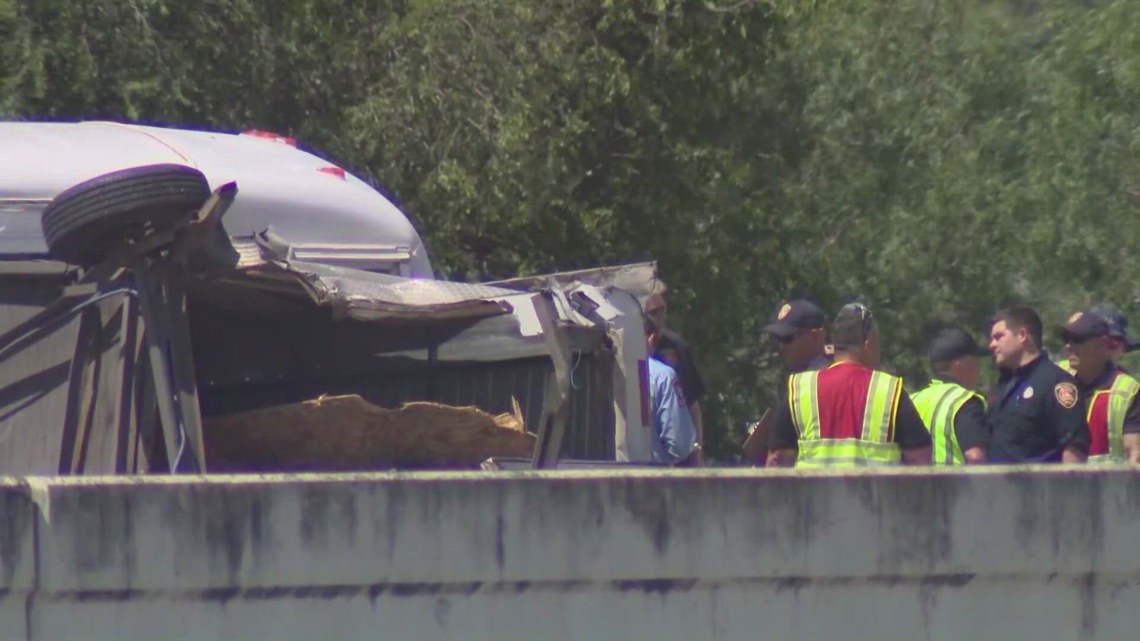
Residents of San Antonio, Chile, are calling for urgent government intervention following a series of dangerous incidents on the Autopista del Sol, where a recent serious traffic accident has reignited fears over the prevalence of illegal street racing in the region.
The Autopista del Sol (Route 78), a critical artery connecting the port city of San Antonio to Santiago, has become a focal point of community distress. Local residents report that the highway is frequently used for high-speed, unauthorized races, transforming a vital transport corridor into a high-risk zone for commuters and nearby neighborhoods.
The recent collision has underscored a growing tension between local citizens and the drivers engaging in these clandestine activities. Community members describe a pattern of recurring illegal racing that persists despite existing traffic regulations, claiming that the lack of consistent enforcement has emboldened participants to treat the public highway as a private racetrack.
Community Outcry Over Illegal Street Racing
The frustration among San Antonio residents stems from more than just the noise and disruption. The primary concern is the systemic risk posed to innocent motorists. According to local reports, these illegal races often occur during peak hours or late at night, creating unpredictable and lethal conditions on the road.
Neighbors have expressed that the frequency of these events has escalated, with some reporting that the Autopista del Sol has become a known gathering point for street racing enthusiasts. This trend is not isolated to San Antonio; across Chile, authorities have struggled to curb the rise of carreras clandestinas
(clandestine races) in various urban and highway settings.
The impact extends beyond the immediate site of accidents. The resulting traffic congestion, often described as tacos kilométricos
(kilometric traffic jams), disrupts the logistics of the port city, affecting the movement of goods and the daily commutes of thousands of workers.
The Risks of High-Speed Highway Racing
Illegal racing on a highway like the Autopista del Sol is particularly hazardous due to the mix of high-speed passenger vehicles and heavy industrial transport. San Antonio’s role as a major port means the route is heavily populated by large trucks and freight carriers, which have significantly longer braking distances and limited maneuverability when faced with erratic, high-speed maneuvers.
Safety experts note that when illegal racers weave through traffic or reach speeds far exceeding the legal limit, the probability of a multi-vehicle pile-up increases exponentially. A single miscalculation at these speeds often leads to catastrophic results, as seen in the recent accident that has sparked this wave of community indignation.
Broader Trends in Chilean Road Safety
The struggle against illegal racing is a nationwide challenge for Chilean law enforcement. Recent operations in other regions highlight the scale of the problem. For instance, in March 2026, authorities conducted a massive crackdown on clandestine racing in the Costanera Norte area, resulting in numerous fines and the seizure of vehicles according to reporting by BioBioChile.
Similarly, in Vitacura, a recent operation saw the inspection of 237 vehicles, leading to 40 fines specifically for speeding during illegal races as reported by Emol. These examples illustrate that the issues facing San Antonio are part of a larger cultural and regulatory battle against high-speed illegal driving in Chile.
Demand for Increased Surveillance and Enforcement
San Antonio residents are now demanding a permanent increase in police presence and the installation of more sophisticated traffic monitoring technology. The community’s goals include:
- Increased Patrols: Regular Carabineros presence at known “hotspots” for racing on the Autopista del Sol.
- Speed Cameras: The installation of automated speed enforcement cameras to discourage high-speed driving.
- Stricter Penalties: Heavier fines and the permanent revocation of licenses for those caught organizing or participating in illegal races.
The call for action is rooted in the belief that sporadic patrols are insufficient. Residents argue that only a consistent, visible, and punitive deterrent will stop the trend of using the highway as a racing circuit.
What This Means for Local Infrastructure
The recurring nature of these accidents also puts a strain on emergency response services. Every major collision on the Autopista del Sol requires the mobilization of firefighters, paramedics, and police, often diverting these critical resources from other parts of the city. The physical damage to highway barriers and road surfaces from high-speed crashes leads to increased maintenance costs for the road operator.
Next Steps and Official Response
While the community continues to push for change, the focus remains on the investigation of the most recent accident to determine the exact cause and the level of liability of the drivers involved. Local authorities are expected to review the requests for increased security measures on the route.
The next confirmed checkpoint for the community will be the official report from the investigating authorities regarding the cause of the recent collision, which will determine if criminal charges for reckless driving or illegal racing will be pursued.
World Today Journal encourages readers to share their thoughts on road safety and illegal racing in the comments below.