
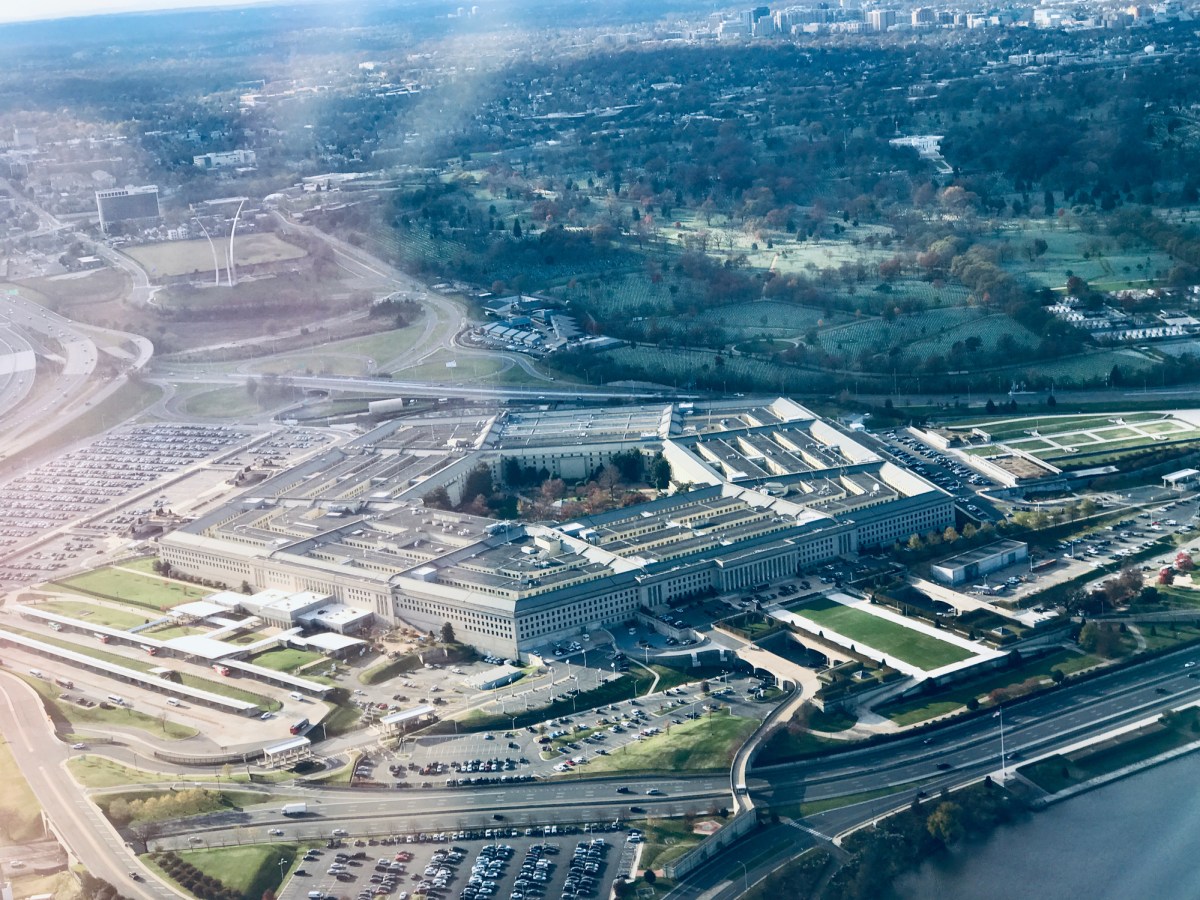
The U.S. Department of Defense has expanded its artificial intelligence capabilities by striking new agreements with several industry giants to deploy advanced AI tools across classified military networks. The deals, finalized on May 1, 2026, include partnerships with Nvidia, Microsoft, Amazon Web Services (AWS), and Reflection AI.
These agreements are designed to integrate high-level AI capabilities into the military’s most secure environments, specifically targeting lawful operational use
to streamline data synthesis and enhance decision-making for warfighters. According to reporting by Bloomberg, the move is part of a broader strategic effort to maintain decision superiority across all domains of warfare.
The push for expanded access comes amid a volatile relationship between the Pentagon and the AI sector, as the Department of Defense (DOD) seeks to diversify its vendor base. This strategic shift follows a high-profile and contentious dispute with Anthropic PBC over the usage terms and safety guardrails of its AI models, which led to threats of the company being designated as a supply chain risk
.
Strategic Diversification After Anthropic Dispute
The decision to ink deals with a wider array of providers is a direct response to the Pentagon’s friction with Anthropic. Throughout early 2026, the DOD and Anthropic reached a standstill over the deployment of AI for U.S. Surveillance and autonomous weapons. While Anthropic raised concerns regarding the ethical application of its technology, the Pentagon insisted on the ability to deploy AI tech regardless of a company’s internal usage policies, according to Reuters.
The tension escalated in February 2026, when Defense Secretary Pete Hegseth reportedly considered cutting business ties with the startup. By February 26, 2026, the Pentagon had made public a threat to effectively ban Anthropic from the U.S. Military supply chain, as reported by Bloomberg. This conflict highlighted the DOD’s urgency to avoid over-reliance on any single AI provider whose corporate ethics or usage restrictions might conflict with national security mandates.
In the wake of this dispute, the Pentagon began working to get its AI providers on the same baseline
regarding usage and security requirements. This effort involved active negotiations with the major U.S. AI players, including OpenAI, Google, and xAI, to ensure that the tools provided could operate within the rigorous constraints of classified networks.
Integration into Classified Networks
The new agreements focus on deploying AI within the military’s most sensitive network environments. Specifically, the integration targets Impact Levels 6 and 7—the highest security tiers used for classified information. By bringing the processing power of Nvidia’s hardware and the cloud infrastructure of Microsoft and AWS into these environments, the DOD aims to reduce the latency and security risks associated with moving data between unclassified and classified systems.

The scope of these tools is broad, ranging from intelligence analysis to operational logistics. The integration of these advanced capabilities is intended to provide the military with a critical edge in processing vast amounts of sensor data in real-time, which is essential for maintaining what officials call decision superiority
.
Key Stakeholders and Their Roles
- Nvidia: Providing the specialized hardware and compute architecture necessary to run massive AI models locally on secure servers.
- Microsoft & AWS: Delivering the secure cloud orchestration and infrastructure required to scale AI deployments across global military networks.
- Reflection AI: Contributing specialized AI tools tailored for the operational needs of the Defense Department.
- Department of Defense: Overseeing the integration and ensuring all tools adhere to lawful operational mandates.
The Broader Impact on Defense Technology
This shift marks a new era in defense procurement, where the “terms of service” of a commercial software provider can become a matter of national security. The Pentagon’s insistence that military needs override company-specific safety pledges suggests a hardening of the U.S. Government’s stance on AI sovereignty. For the tech industry, these deals signal that the ability to operate within classified environments—and the willingness to accept military usage terms—is now a prerequisite for the largest government contracts.
the move reflects a broader trend of “multi-vendor” strategies. By spreading its AI dependency across Nvidia, Microsoft, AWS, and others, the DOD mitigates the risk that a single company’s policy shift or financial instability could compromise military readiness.
Comparison of Recent Pentagon AI Engagements
| Date | Entity | Action/Status |
|---|---|---|
| January 29, 2026 | Anthropic | Reported standstill over usage guardrails and surveillance. |
| February 16, 2026 | Anthropic | Threatened with “supply chain risk” designation by Sec. Hegseth. |
| February 27, 2026 | OpenAI | Signed deal for tools to be used in classified systems. |
| March 17, 2026 | OpenAI / AWS | Agreement to sell AI products for classified and unclassified work. |
| May 1, 2026 | Nvidia, Microsoft, AWS, Reflection AI | Agreements struck for expanded use on classified networks. |
What Happens Next
The immediate focus for the Department of Defense will be the technical implementation of these tools within the Impact Level 6 and 7 environments. This process involves rigorous security auditing to ensure that the AI models do not inadvertently leak classified data or create new vulnerabilities in the military’s cyber defense perimeter.
Industry analysts expect further updates as the DOD evaluates the performance of these tools in real-world operational scenarios. While no specific date has been set for a public review of these deployments, the Pentagon typically provides updates through its quarterly reports on AI adoption and readiness.
We want to hear from you. How should the balance between corporate AI ethics and national security be managed? Share your thoughts in the comments below.