
Short-term, low-calorie dietary interventions may help reduce the inflammatory markers associated with gum disease, according to research examining the intersection of lifestyle modifications and periodontal health. While traditional dental care focuses on mechanical plaque removal, emerging evidence suggests that managing systemic inflammation through diet could provide a significant advantage in treating periodontitis.
The research, which aligns with findings discussed in the Journal of Clinical Periodontology, suggests that patients undergoing temporary caloric restriction might see a reduction in the biological signals that drive gum tissue destruction. This shift in focus moves the treatment of gum disease from a purely localized oral concern to a broader management of systemic inflammatory responses.
Researchers at institutions including King’s College London have long investigated the link between oral health and systemic conditions. Their work emphasizes that periodontitis is not merely a localized infection but an inflammatory condition that responds to the body’s overall metabolic state. By addressing how the body processes nutrients and manages inflammation, clinicians may find new ways to support long-term periodontal stability.
How caloric restriction affects periodontal inflammation
Periodontitis is characterized by an overactive immune response to dental plaque, which leads to the destruction of the bone and tissues supporting the teeth. This process is driven by pro-inflammatory cytokines—signaling proteins that tell the immune system to attack. When these markers are chronically elevated, the damage to the gums accelerates.
Short-term, low-calorie diets, sometimes referred to in clinical settings as fasting-mimicking protocols, aim to induce a state of metabolic switching. According to metabolic research, this process can lower levels of systemic inflammatory markers, such as C-reactive protein (CRP) and various interleukins. If these systemic levels drop, the localized inflammatory response in the gingival tissues may also be dampened.
The mechanism involves several physiological changes:
- Reduction in Cytokine Production: Lower caloric intake can decrease the production of pro-inflammatory signaling molecules.
- Improved Metabolic Health: Dietary interventions can improve insulin sensitivity, which is closely linked to the severity of periodontal disease.
- Cellular Autophagy: Some studies suggest that periods of restricted eating promote cellular cleanup processes, potentially reducing the burden of damaged cells in inflamed tissues.
Why plaque control alone may not be enough
For decades, the standard of care for gum disease has centered on “mechanical biofilm management”—essentially, cleaning the teeth and roots to remove the bacteria causing the problem. While scaling and root planing remain essential, clinicians are increasingly recognizing that a patient’s internal environment dictates how they respond to these treatments.
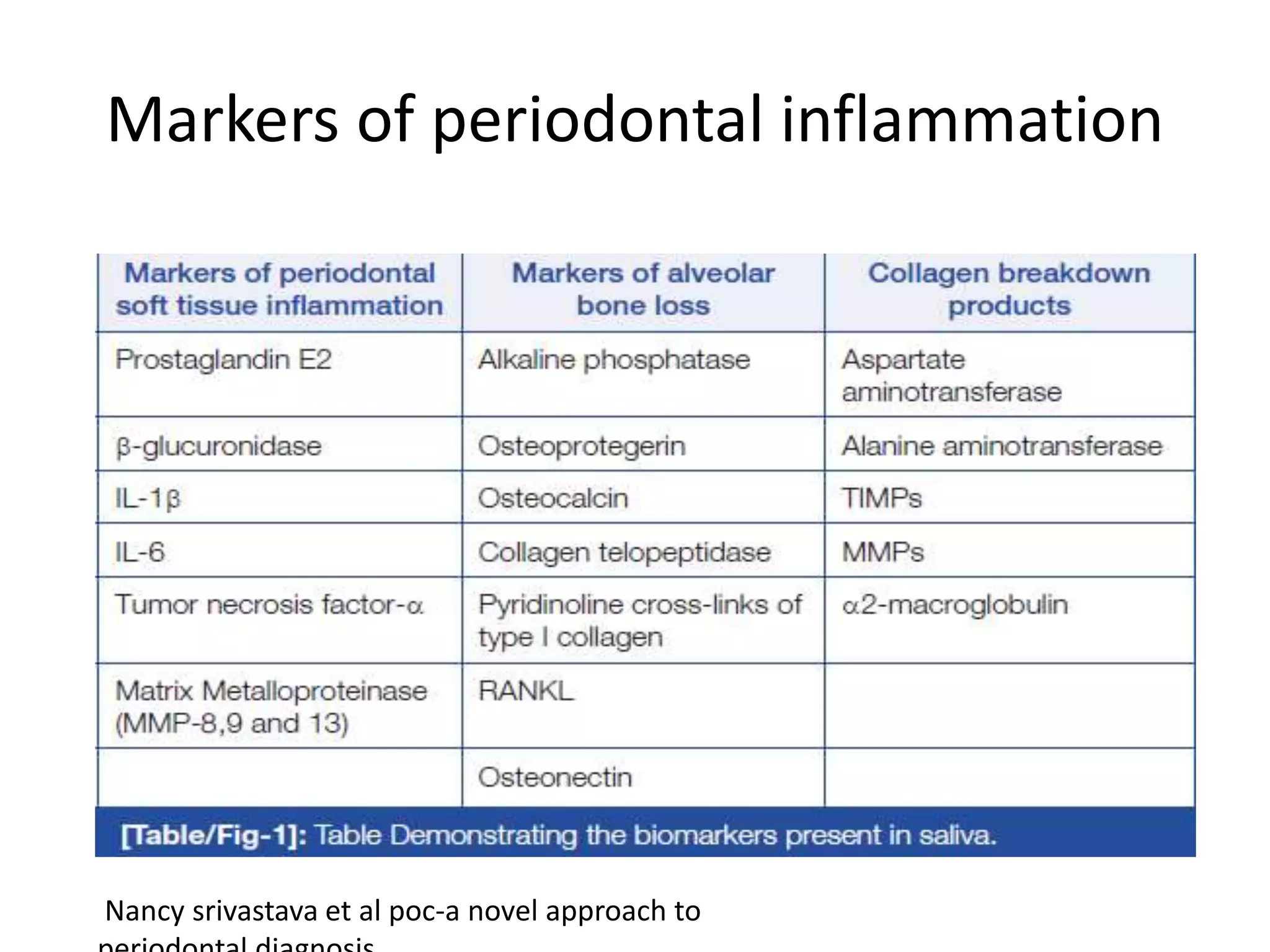
A patient with high systemic inflammation may struggle to heal even after their teeth have been professionally cleaned. This is because the “inflammatory set-point” of their body remains high, keeping the gums in a state of constant irritation. Integrating lifestyle modifications, such as controlled dietary changes, addresses this internal driver of disease.
By combining physical cleaning with metabolic management, the goal is to create an environment where the oral tissues can actually repair themselves. This dual approach targets both the external trigger (bacteria) and the internal response (inflammation).
The connection between oral health and systemic disease
The implications of this research extend far beyond the dentist’s chair. There is a well-documented “periodontal-systemic link” that connects oral inflammation to major health issues. Because the mouth is highly vascularized, inflammatory mediators from the gums can enter the bloodstream, contributing to issues elsewhere in the body.
Medical professionals have identified several key connections:
Cardiovascular Health: Chronic oral inflammation is associated with an increased risk of atherosclerosis and heart disease. The inflammation in the gums can contribute to the systemic inflammatory load that affects arterial health.
Diabetes Management: The relationship between gum disease and diabetes is bidirectional. Periodontitis can make blood sugar harder to control, while high blood sugar levels can worsen gum inflammation. Dietary interventions that stabilize blood sugar may therefore benefit both oral and metabolic health.
Respiratory Health: Oral bacteria and inflammatory markers can be inhaled into the lungs, potentially exacerbating conditions like COPD or affecting overall pulmonary function.
Comparison of Treatment Approaches
| Feature | Traditional Plaque Control | Integrated Lifestyle Approach |
|---|---|---|
| Primary Target | Extrinsic bacteria and biofilm | Both bacteria and systemic inflammation |
| Method | Scaling, root planing, brushing | Mechanical cleaning + dietary modification |
| Focus Area | Localized (the mouth) | Systemic (the whole body) |
| Healing Goal | Removal of irritants |
Frequently Asked Questions
Should I attempt a fasting diet to treat my gum disease?
You should not attempt significant dietary changes or fasting protocols without consulting both your dentist and your primary care physician. While the research is promising, caloric restriction can affect medication absorption and metabolic stability, especially in patients with existing conditions like diabetes.

Is this a replacement for regular dental cleanings?
No. Dietary changes are intended to be a complementary strategy. Mechanical removal of plaque is still necessary to eliminate the primary source of infection in the mouth. Diet acts as a support mechanism to help the body manage the inflammation caused by that infection.
How long would these dietary changes need to last?
The research specifically mentions “short-term” interventions. The goal is not necessarily permanent starvation but rather periodic metabolic shifts that can help reset the body’s inflammatory response.
As research into the oral microbiome and systemic health continues to evolve, the medical community is moving toward a more holistic view of periodontal care. Patients can expect more discussions regarding nutrition and lifestyle as standard components of dental health assessments in the coming years.
For updates on clinical trials regarding periodontal health and nutritional interventions, follow official announcements from the European Federation of Periodontology.
What are your thoughts on integrating diet into dental care? Share this article with your network and join the conversation in the comments below.