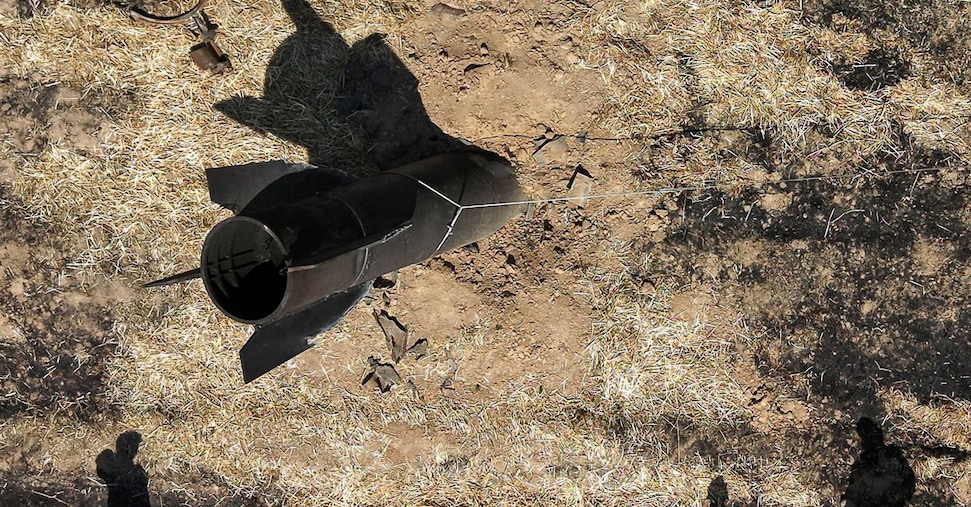
The United States is currently evaluating a range of military options, including a potential “lightning” strike, in response to escalating tensions with Iran. According to recent reports from international news agencies, the administration is weighing the scope of a possible operation, with officials emphasizing that any future engagement would be designed to be both decisive and clear in its objectives.
This potential shift in strategy comes amid a period of heightened friction between Washington and Tehran. While specific details regarding the timing or nature of such an operation remain speculative, sources familiar with the administration’s internal discussions suggest that the objective would be to neutralize specific threats while minimizing broader regional instability. As the situation remains fluid, the international community continues to monitor the potential for a rapid escalation in the Middle East.
Strategic Considerations and Regional Tensions
The current discourse surrounding a possible military response is framed by a broader context of regional instability. Tensions have been exacerbated by ongoing debates over nuclear non-proliferation and the role of proxy forces across the Middle East. According to the Reuters reporting on regional security, the volatility of these dynamics has left little room for diplomatic maneuvering, prompting a reassessment of defense postures among Western allies.
The administration’s focus on a “lightning” operation—often characterized in military circles as a rapid, high-intensity strike—is intended to achieve strategic goals before an adversary can effectively mobilize or retaliate. Experts in geopolitical strategy note that such an approach carries significant risks, particularly concerning the potential for miscalculation and the involvement of regional proxies. The Center for Strategic and International Studies (CSIS) has frequently highlighted how Iran’s “forward defense” strategy, which utilizes a network of allied militias, complicates the efficacy of traditional air strikes.
The Role of Defense Policy and Public Statements
Public rhetoric from key figures within the incoming administration has underscored a commitment to a more assertive stance toward Iran. This messaging is designed to signal a departure from previous diplomatic frameworks, which some critics have described as ineffective. By emphasizing that any military action would be “powerful and clear,” officials are attempting to establish a credible deterrent that leaves no ambiguity regarding the consequences of further provocations.
However, the transition of power and the appointment of new national security personnel mean that current policy remains in a state of flux. While public statements suggest a hardline approach, the logistical reality of mounting a major military operation requires extensive coordination with regional partners, many of whom are wary of the fallout from a direct conflict. The U.S. Department of Defense maintains that its primary objective remains the protection of American service members and assets in the region, though it has not confirmed the initiation of any specific new operational plans.
Historical Context and Diplomatic Hurdles
To understand the current volatility, one must look at the breakdown of previous diplomatic efforts. The effort to manage Iran’s nuclear program through structured agreements has faced repeated setbacks over the past decade. Analysts suggest that the failure to reach a lasting, verifiable consensus has created a vacuum, often filled by tactical escalations and retaliatory strikes.
The current situation is further complicated by the internal political climate in both Washington and Tehran. In Iran, the government continues to maintain that its military capabilities are purely defensive and intended to deter foreign interference. Meanwhile, in the United States, the debate centers on the effectiveness of “maximum pressure” campaigns versus the potential for long-term diplomatic containment. Historical data from the International Atomic Energy Agency (IAEA) regarding the verification of nuclear sites provides a baseline for the technical friction points that continue to drive these geopolitical tensions.
What Happens Next
As of this writing, there is no confirmed timeline for any military action. The next significant checkpoint for the global community will be the upcoming series of diplomatic briefings scheduled for the next session of the UN Security Council, where the situation in the Middle East is expected to be a primary agenda item. Observers are also watching for any official statements from the U.S. Central Command (CENTCOM) regarding changes to force posture or defensive readiness levels.
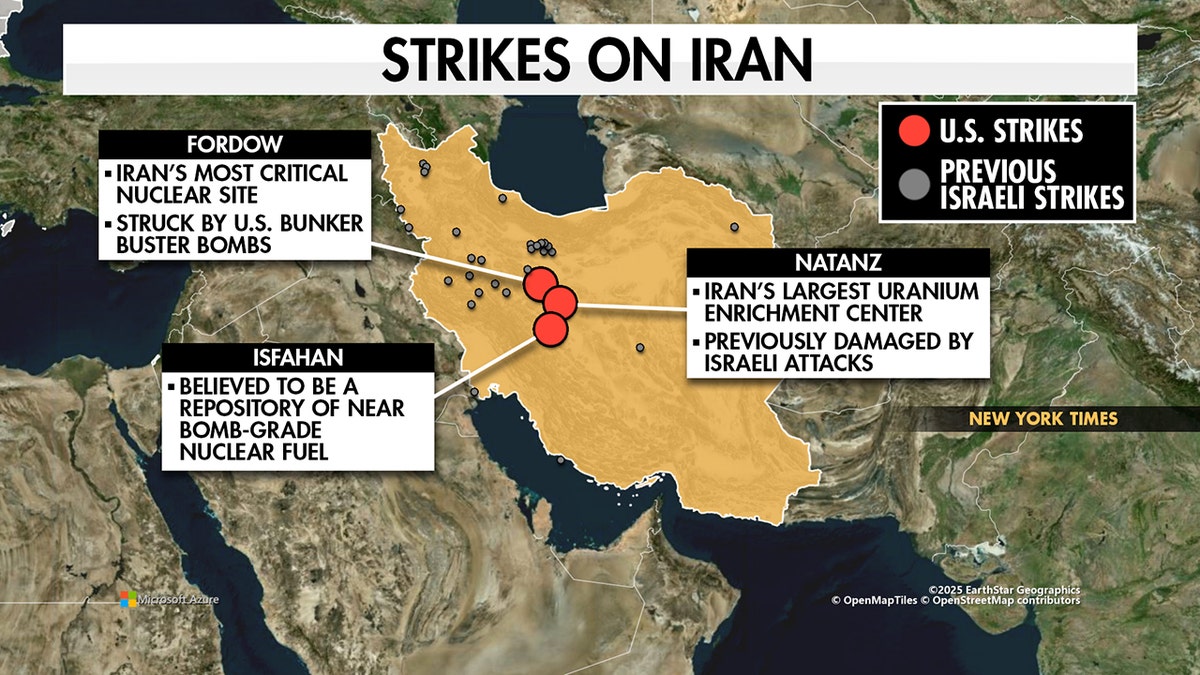
The situation remains highly unpredictable. Readers are encouraged to follow official updates from government portals and verified news sources for the latest developments. We welcome your perspective on these events; please share your thoughts in the comments section below.
Worth a look
- US Navy Continues Maritime Blockade of Iran, Diverting Dozens of Commercial Ships
- Space Waste Heat Problem: Caltech’s Challenge Explained
- Trump Slams Iran’s Duplicity and Warns Blockade Will Remain Amid Stalled Talks (world-today-news.com)
- Sudan Gold Trade Banned Amid Rising Tensions (newsdirectory3.com)