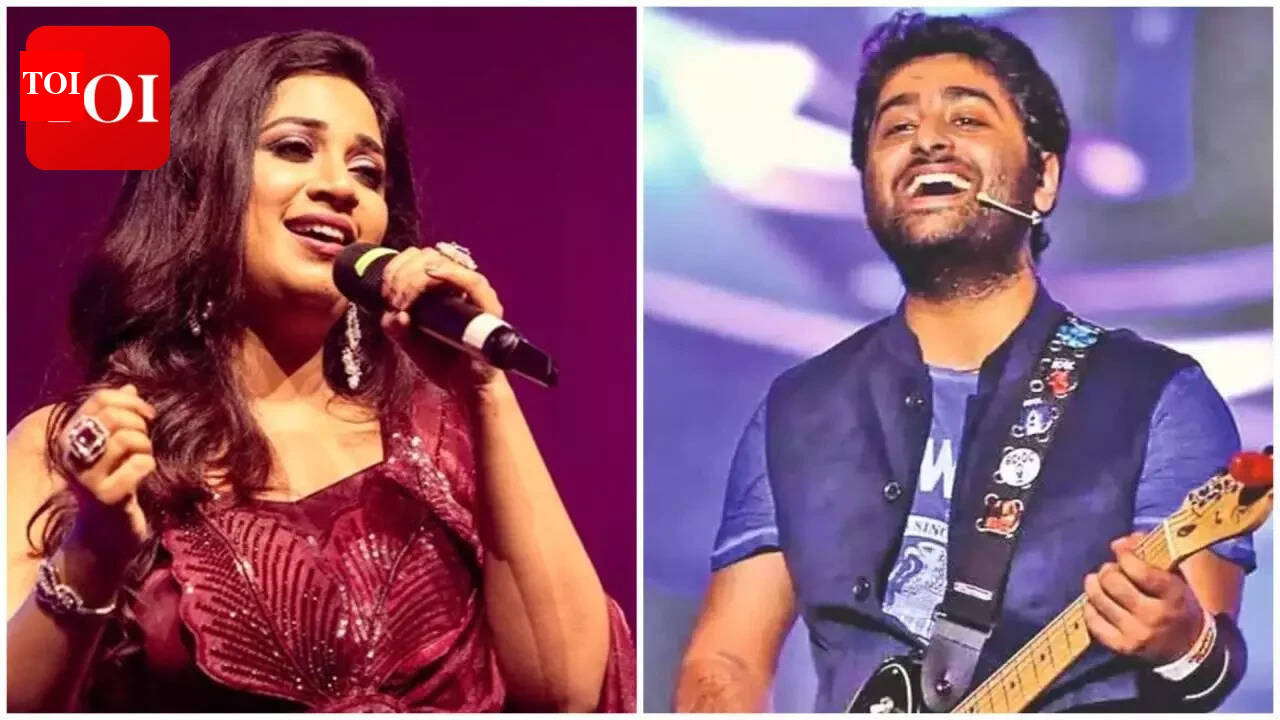
Shreya Ghoshal on Authenticity in Performance, Reflecting on Arijit Singh’s Decision
The recent announcement by acclaimed Bollywood playback singer Arijit Singh to step away from recording new songs has sent ripples through the Indian music industry and among his devoted fans. In the wake of this news, fellow artist Shreya Ghoshal has shared her perspective, emphasizing the importance of genuine live performances and revealing her own strong stance against lip-syncing. Ghoshal’s comments, made during an interview with ABP News, highlight a dedication to artistic integrity that resonates deeply within the industry and speaks to the evolving expectations of audiences. The conversation surrounding Singh’s decision has sparked a broader discussion about the pressures faced by artists and the value placed on authentic musical experiences.
Ghoshal expressed respect for Singh’s “brave” decision, acknowledging the courage it takes to step away from a highly successful career path. She also admitted to occasionally feeling the pull to take a break herself, recognizing the demanding nature of the music industry. Still, it was her firm position on live performance that garnered significant attention. Ghoshal stated unequivocally that she would cease performing live if she were ever compelled to rely on lip-syncing, a practice she finds deeply uncomfortable. This commitment to delivering a raw, unfiltered musical experience underscores her dedication to her craft and her audience. The singer’s comments come at a time when concerns about the authenticity of live performances are increasingly prevalent, with fans and critics alike questioning the reliance on pre-recorded vocals in concerts and shows.
Arijit Singh announced his decision to retire from playback singing on January 23, 2026, sharing a note on Instagram explaining his desire to move away from studio recording.
View this post on Instagram
A post shared by Arijit Singh (@arijitsingh)
Ghoshal described Singh as a deeply connected and sincere musician, someone who creates music purely for the joy of it, unburdened by external pressures or expectations. “He is a musician from the heart,” she said, adding, “He doesn’t think about why he is making music or what he will get from it. He just does what makes him happy.” This intrinsic motivation, according to Ghoshal, is a key reason for Singh’s widespread appeal and the strong connection he has forged with his audience. She emphasized that for Singh, “music is bigger than everything else,” a sentiment that clearly resonates with her own artistic philosophy.
The Importance of Live Performance and Artistic Integrity
Shreya Ghoshal’s comments extend beyond simply supporting Arijit Singh’s decision; they delve into the core of what it means to be a performer in the modern music landscape. She articulated a strong belief in the responsibility artists have to their audiences, particularly during live shows. Ghoshal believes that personal struggles or challenges should not detract from the energy and authenticity of a live performance, as audiences seek inspiration and an escape through music. This perspective highlights the reciprocal relationship between artist and listener, where the performer’s dedication to delivering a genuine experience is paramount.
The singer underscored that the connection with the audience is a vital source of motivation for her. “When your heart is happy, the energy comes automatically,” she explained, emphasizing the power of applause and audience interaction to fuel her performances. This reciprocal energy exchange is, for Ghoshal, the essence of live music and a key reason why she prioritizes singing live whenever possible. Her unwavering commitment to live vocals is a direct response to the increasing prevalence of pre-recorded tracks and the potential for a disconnect between the artist and the audience. The debate surrounding lip-syncing in live performances is not new, but Ghoshal’s strong stance adds a significant voice to the conversation.
Arijit Singh’s Legacy and Impact on Bollywood Music
Arijit Singh’s career has been marked by a string of immensely popular songs that have become staples of Bollywood soundtracks. His soulful voice and emotive delivery have resonated with millions, establishing him as one of the most beloved playback singers of the past decade. From the melancholic romance of “Tum Hi Ho” (Aashiqui 2, 2013) to the energetic beats of “Gerua” (Dilwale, 2015) and the poignant ballad “Kesariya” (Brahmāstra: Part One – Shiva, 2022), Singh’s discography showcases his versatility and ability to connect with a wide range of emotions. Filmfare reports that his colleagues have praised his legacy and expressed support for his decision.
While Singh’s retirement from playback singing marks the end of an era in many ways, he has clarified that he will continue to be involved in music as a composer. This transition suggests a desire to explore different facets of his creativity and potentially exert greater control over the artistic process. His decision has prompted reflection on the pressures faced by playback singers in the Indian film industry, where the demand for constant output and the potential for creative compromise can be significant. The industry is now watching to see how Singh’s next chapter unfolds and what new musical directions he will pursue.
The impact of Arijit Singh’s work extends beyond the charts; he has become a cultural icon, his songs frequently featured in celebrations, films, and everyday life. His ability to evoke deep emotions through his music has made him a favorite among listeners of all ages. His departure from playback singing leaves a void in the industry, but his extensive catalog of songs will undoubtedly continue to be enjoyed for years to come. The outpouring of support from fellow artists like Shreya Ghoshal underscores the respect and admiration he has earned within the music community.
The Future of Live Music and Authenticity
Shreya Ghoshal’s unwavering commitment to live vocals raises important questions about the future of live music and the expectations of audiences. In an era where technology allows for seamless manipulation of sound, the demand for authenticity is growing. Fans are increasingly discerning, seeking experiences that feel genuine and connected. Ghoshal’s stance against lip-syncing is a powerful statement about the importance of artistic integrity and the value of a truly live performance. Her words serve as a reminder that the magic of live music lies in the imperfections, the spontaneity, and the raw emotion that can only be captured in the moment.
The conversation sparked by Arijit Singh’s retirement and Shreya Ghoshal’s response is likely to continue, prompting further discussion about the challenges and opportunities facing artists in the Indian music industry. As technology continues to evolve, the debate over authenticity will undoubtedly intensify, and artists will be challenged to find new ways to connect with their audiences in meaningful and genuine ways. The emphasis on live performance and artistic integrity, as championed by Ghoshal, may well become a defining characteristic of the next generation of musicians.
As of March 15, 2026, Arijit Singh has not announced any specific plans for his future composing projects, but industry observers anticipate a shift towards independent music production and potentially scoring for films. Fans and colleagues alike are eager to see what he will create next. The coming months will undoubtedly reveal more about his artistic vision and his continued contribution to the world of music.
What are your thoughts on Arijit Singh’s decision and Shreya Ghoshal’s perspective? Share your opinions in the comments below, and don’t forget to share this article with your fellow music lovers.
Related