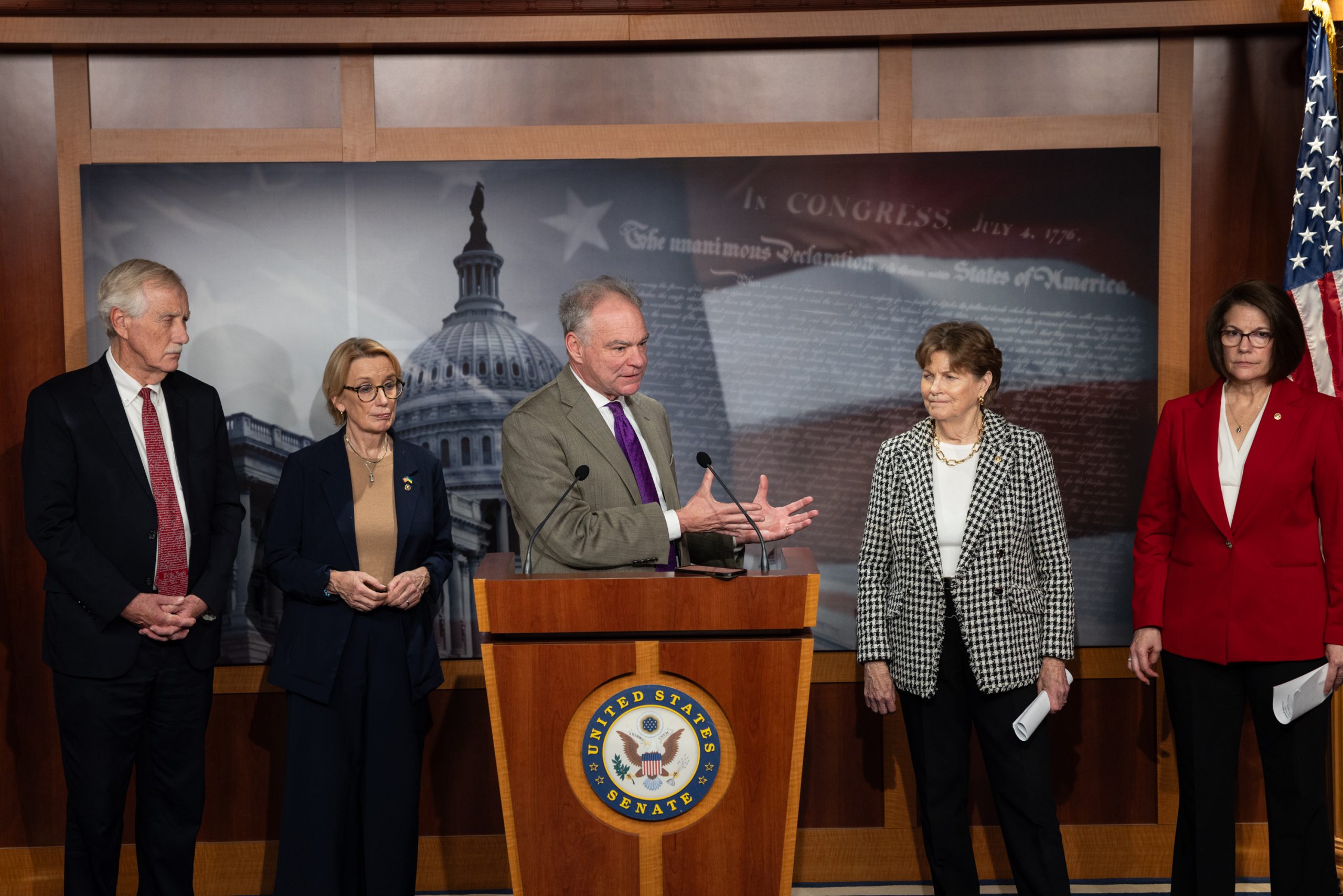
Democratic Divisions Erupt after Senate Deal Averts Shutdown
A wave of frustration is sweeping through progressive circles following the Senate’s recent agreement to avert a government shutdown. The deal, brokered with Republicans, has sparked intense criticism from within the Democratic party, with many accusing key Senate figures of abandoning core principles and undermining recent electoral gains.
Several prominent voices have taken to social media to express their dismay. One influential lawmaker stated bluntly that any political leader failing to generate public outrage and opposition from House Democrats regarding the outcome lacks true leadership. This sentiment underscores a growing rift within the party regarding strategy and priorities.
A Blow to Recent Victories?
The core of the discontent centers on the perceived abandonment of a robust fight for healthcare funding.Critics argue that the compromise effectively negates the momentum generated by Tuesday’s elections, where healthcare access was a key issue for voters.
Specifically, the deal is seen as a betrayal of the hard work invested in securing those electoral wins. Many believe that prioritizing a quick resolution over a substantive defense of healthcare policies will ultimately demobilize the Democratic base and weaken the party’s long-term prospects.
Healthcare Remains a Central Concern
The message is clear: healthcare isn’t simply a talking point – it’s a fundamental necessity. Many Democrats feel that the Senate’s actions prioritized political expediency over the well-being of American citizens.
This isn’t about abstract policy debates; it’s about real-world consequences for individuals and families. You deserve access to affordable, quality healthcare, and many feel this deal moves further away from that goal.
Centrist Concerns and Party Direction
Journalists and political analysts are weighing in, adding fuel to the debate. One commentator highlighted how the actions of Senate Democrats perfectly illustrate why centrism can be detrimental to the party, both in terms of policy and electoral success.
* Substantive concerns: The compromise weakens the Democratic platform on crucial issues like healthcare.
* Electoral Impact: Abandoning key promises can discourage voters and lead to lower turnout in future elections.
* Base Demoralization: Progressive voters may feel unrepresented and disengaged.
This situation raises fundamental questions about the direction of the Democratic party.Are they willing to fight for their core values, or will they continue to prioritize compromise at the expense of their base?
Ultimately, the fallout from this deal could have significant implications for the future of the Democratic party and the ongoing debate over healthcare in America. It’s a moment that demands reflection and a renewed commitment to fighting for the issues that matter most to you.
Worth a look
- Chino Hills Kidnapping Suspect Killed by Deputies After Trunk Execution
- Extreme California Heat Wave: Heat Dome, Hurricane Genevieve, and Safety Guide
- Sean Diddy Combs Sent to Solitary Confinement After Prison Fight and Release Date Moved (newsdirectory3.com)
- The Senate Blue Slip, Explained: The Custom Trump Wants Gone (daybreakwire.com)