
On Friday, April 24, 2026, Italy’s Chamber of Deputies approved the security decree law with 162 votes in favor, 102 against, and one abstention, marking its formal conversion into law after a two-day parliamentary marathon that concluded that morning. The vote followed a confidence motion and was immediately succeeded by an emergency cabinet meeting that approved a corrective decree-law on assisted voluntary repatriations within minutes. President Sergio Mattarella then promulgated both the converted security law and the corrective decree, which entered into force simultaneously later that day.
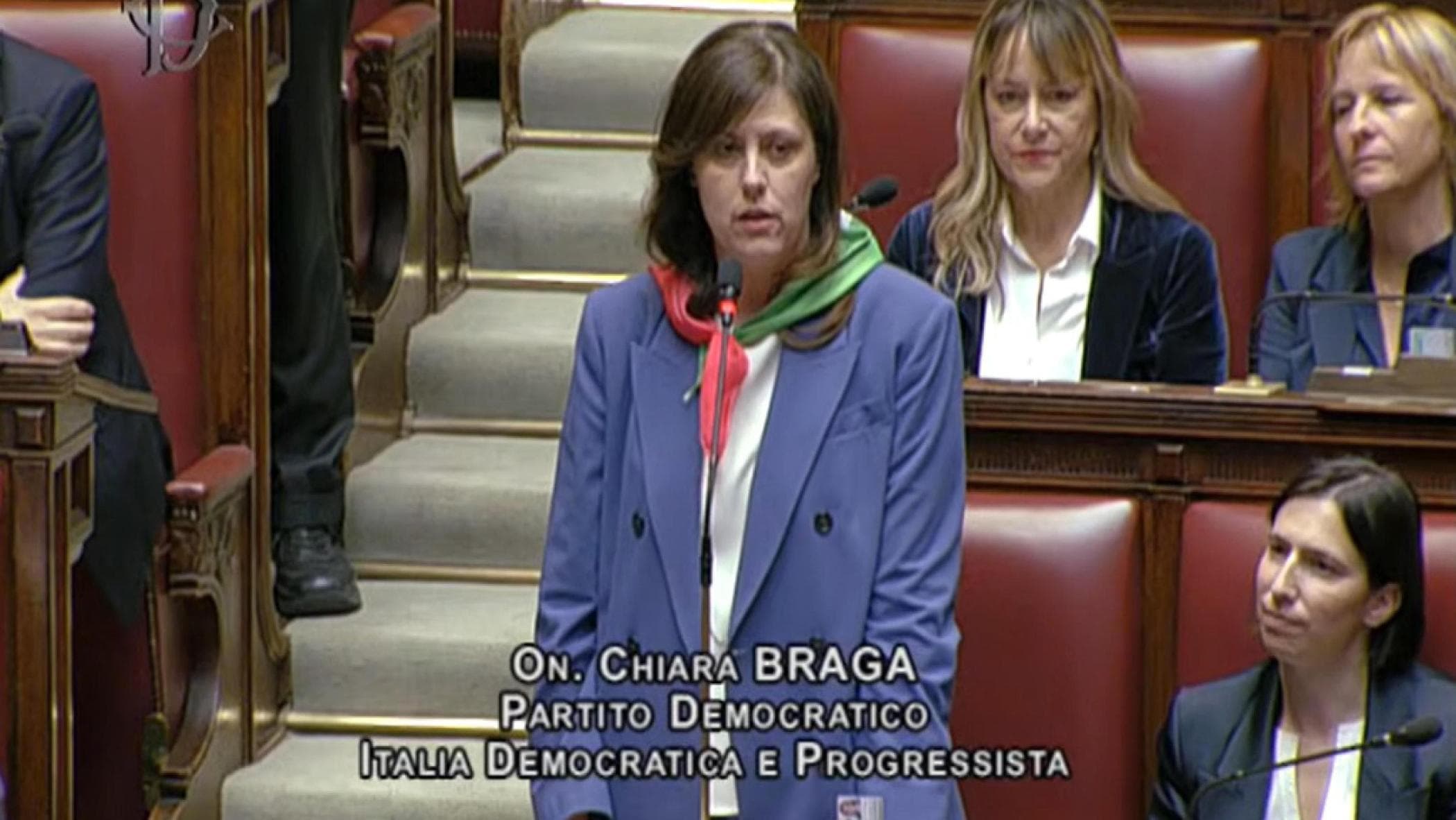
The developments unfolded against the symbolic backdrop of the eve of Liberation Day, April 25, intensifying political tensions as opposition deputies voiced their dissent by singing “Bella ciao” and displaying copies of the Italian Constitution in the chamber. In response, government benches countered with renditions of the national anthem, “Fratelli d’Italia,” highlighting the deepening divide over the legislation’s implications for civil liberties and immigration policy.
The original security decree, initially adopted on February 24, 2026, as decree-law No. 23, introduced measures targeting public safety, including restrictions on public gatherings and enhanced penalties for offenses against law enforcement. Its conversion into law was confirmed by the President’s office, which stated that Mattarella had signed the law of conversion and the subsequent corrective decree on the same day, April 24, 2026, ensuring their concurrent entry into force.
The corrective decree-law specifically addresses the provision for assisted voluntary repatriations, amending the original decree by removing the requirement that the €615 financial incentive for individuals facilitating repatriation procedures be contingent upon the actual departure of the migrant. Instead, the subsidy is now tied to the conclusion of the administrative process, regardless of outcome. The corrective measure broadens eligibility for the payment beyond lawyers to include other qualified assistants, such as social workers or accredited NGOs, thereby expanding the pool of potential beneficiaries.
Premier Giorgia Meloni welcomed the outcome, declaring on social media that the approval represented “another concrete step to strengthen citizen protection, defend those who wear a uniform, and affirm with clarity a simple principle: in Italy, legality is not negotiable.” She emphasized that the legislation would provide “more tools to combat violence, decay, illegal occupations, widespread crime, and illegal immigration,” while enhancing safeguards for law enforcement and law-abiding citizens seeking security in their daily lives.
Opposition leaders, however, condemned the vote as a provocation given its timing before the national holiday commemorating the Italian resistance. Deputy Chiara Braga of the Democratic Party participated in the protest wearing a partisan association scarf, while League leader Matteo Salvini criticized the opposition’s actions as disrespectful, though he did not dispute the substance of the vote count. Interior Minister Matteo Piantedosi was present in the government section during the proceedings.
The legislative process drew attention not only for its political symbolism but also for its procedural speed. After the Chamber’s definitive approval, the Council of Ministers convened in a brief session lasting only a few minutes to adopt the corrective measure, underscoring the government’s intent to swiftly address concerns raised about the original repatriation incentive framework, particularly regarding its potential misuse and limited accessibility.
Legal experts have noted that the shift from tying payment to departure outcomes to linking it to procedural completion aims to reduce administrative uncertainty and encourage broader participation in state-assisted repatriation programs. By removing the “good faith” outcome requirement and extending eligibility beyond legal professionals, the corrective decree seeks to increase uptake of the scheme, which has historically seen low utilization rates in Italy compared to other European Union member states.
As of April 24, 2026, both the converted security law and the corrective decree on assisted voluntary repatriations are in force across Italian territory. No further parliamentary votes or presidential actions are required for their implementation, though regional authorities and prefectures are expected to issue operational guidelines in the coming weeks to standardize application of the new rules at the local level.
The World Today Journal will continue to monitor developments related to Italy’s security and migration policies, including any judicial challenges to the decrees or reports on their impact on repatriation figures and public order statistics. Readers are invited to share their perspectives and spread awareness of this story through comments and social sharing.