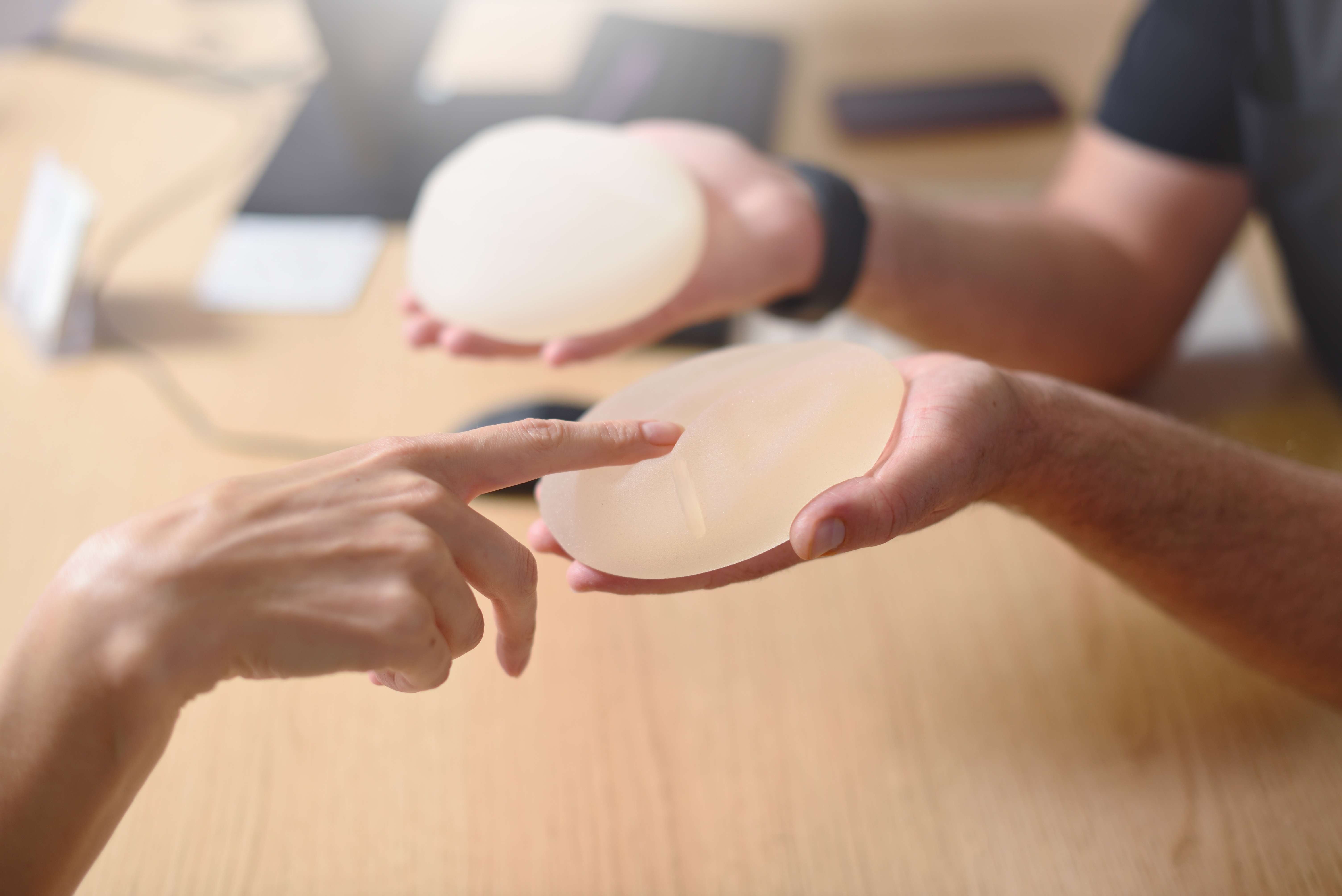
For breast cancer survivors considering reconstructive surgery, a persistent concern has been whether silicone breast implants might increase the risk of developing autoimmune or rheumatic diseases later in life. This question has lingered for decades, fueled by anecdotal reports and early studies that suggested a possible link, leaving many patients weighing the benefits of reconstruction against potential long-term health risks. Now, a large-scale study from the Netherlands Cancer Institute, Antoni van Leeuwenhoek, offers strong reassurance: women with silicone implants following breast cancer surgery do not face a higher likelihood of developing autoimmune or rheumatic conditions compared to those who undergo other forms of reconstruction or no reconstruction at all.
The findings, published in a peer-reviewed medical journal and based on over a decade of follow-up data, address one of the most enduring safety questions in post-mastectomy care. Researchers analyzed medical records from thousands of women treated for breast cancer between 2000 and 2020, tracking diagnoses of conditions such as rheumatoid arthritis, lupus, Sjögren’s syndrome, and systemic sclerosis. The study’s size and duration allow for a level of certainty that smaller, earlier investigations could not provide, making it a significant contribution to the evidence base guiding clinical decisions and patient counseling.
This research comes at a time when breast reconstruction rates are rising globally, particularly in countries with advanced healthcare systems where access to prosthetic options is widespread. In the United States alone, over 100,000 breast reconstruction procedures are performed annually, the majority involving implants, according to data from the American Society of Plastic Surgeons. For patients navigating life after cancer, understanding the long-term safety of these interventions is not just a medical concern—it’s deeply personal, affecting quality of life, body image, and ongoing health surveillance.
Study Design and Key Findings
The Antoni van Leeuwenhoek study employed a retrospective cohort design, comparing outcomes among three groups: women who received silicone gel implants after mastectomy, those who underwent autologous tissue reconstruction (using the patient’s own tissue), and those who chose not to undergo reconstruction. All participants had been diagnosed with stage I to III breast cancer and were cancer-free at the time of reconstruction. The primary outcome was the incidence of newly diagnosed autoimmune or rheumatic diseases during the follow-up period, which averaged 8.5 years per patient.
After adjusting for age, cancer stage, treatment history, and other confounding factors, researchers found no statistically significant difference in autoimmune or rheumatic disease rates between the implant group and the other two cohorts. The hazard ratio for developing such conditions was 1.02 (95% confidence interval: 0.89–1.17) for women with silicone implants compared to those without reconstruction, indicating no meaningful increase in risk. Similarly, when compared to autologous reconstruction, the difference remained negligible and statistically insignificant.
These results align with previous large-scale investigations, including a 2019 meta-analysis published in Plastic and Reconstructive Surgery that reviewed data from over 70,000 implant recipients and found no causal relationship between silicone implants and systemic autoimmune disorders. The U.S. Food and Drug Administration (FDA), which maintains ongoing surveillance of breast implant safety through its Breast Implant Registry and post-approval studies, has also stated that current evidence does not support a link between silicone implants and connective tissue diseases.
Understanding the Concerns: Origins and Evolution
Worries about silicone implants and autoimmune illness first emerged in the 1980s and 1990s, coinciding with a rise in implant leverage and reports from some patients of fatigue, joint pain, and symptoms resembling lupus or rheumatoid arthritis. These anecdotal accounts led to widespread public concern and, in 1992, prompted the FDA to impose a moratorium on silicone-gel breast implants for cosmetic use while requiring further study. (The moratorium was lifted in 2006 after extensive review concluded that the devices were reasonably safe for their intended use.)
However, many of the early studies suggesting a link were limited by small sample sizes, short follow-up periods, and potential selection bias—such as patients with symptoms being more likely to seek medical attention and thus be overrepresented in clinical cohorts. More recent research, benefiting from larger datasets, improved diagnostic criteria, and longer observation windows, has consistently failed to replicate those initial findings. The Antoni van Leeuwenhoek study adds to this growing body of evidence by leveraging national cancer registry data, which minimizes recall bias and ensures comprehensive tracking of diagnoses across the healthcare system.
Experts emphasize that while silicone implants are not without risks—such as rupture, capsular contracture, or the rare association with breast implant-associated anaplastic large cell lymphoma (BIA-ALCL)—the current data do not support classifying autoimmune or rheumatic disease among them. The World Health Organization and major dermatology and rheumatology associations have not listed silicone implants as a known trigger for systemic autoimmune conditions in their clinical guidelines.
What This Means for Patients and Clinicians
For breast cancer survivors, the study’s findings offer a valuable piece of information when discussing reconstructive options with their healthcare team. Choosing between implant-based and autologous reconstruction involves weighing multiple factors: recovery time, surgical complexity, aesthetic outcomes, impact on muscle strength (particularly with flap procedures using abdominal or back tissue), and personal preferences about foreign bodies in the body. Now, long-term immune system safety can be largely excluded from that calculus for silicone implants.
Clinicians, too, can use this evidence to provide more accurate reassurance during consultations. Dr. Laura Vos, a surgical oncologist not involved in the study but familiar with its implications, noted in an interview with a Dutch medical publication that “being able to tell patients that their implant choice does not appear to elevate their risk of developing lupus or rheumatoid arthritis helps reduce anxiety and supports shared decision-making.” She emphasized that ongoing monitoring remains crucial, but for autoimmune concerns specifically, the data are increasingly definitive.
It’s also worth noting that the study population consisted exclusively of women with a history of breast cancer—a group that may have different baseline risks or immune profiles compared to women receiving implants for cosmetic reasons. However, given that the biological mechanisms of implant interaction with the immune system would not be expected to differ fundamentally based on the indication for surgery, the results are likely generalizable to broader populations. Still, researchers recommend continued surveillance in cosmetic cohorts to confirm consistency across indications.
Ongoing Surveillance and Future Research
While this study resolves a major safety question, monitoring of breast implant outcomes continues. The FDA requires manufacturers of silicone gel implants to conduct long-term post-approval studies, tracking cohorts of patients for at least 10 years to capture rare or delayed events. In Europe, the European Medicines Agency (EMA) oversees similar requirements through the EU’s medical device regulation framework, mandating real-world evidence collection for high-risk devices like implants.
Future research may focus on identifying subgroups who might be more susceptible to inflammatory responses—such as those with personal or family histories of autoimmune disease—or exploring whether certain implant surface textures or gel formulations influence immune reactivity. Emerging areas of interest include the role of the microbiome surrounding the implant capsule and whether low-grade chronic inflammation contributes to symptoms some patients report, even in the absence of diagnosable autoimmune disease.
For now, the message from Antoni van Leeuwenhoek is clear: based on the best available evidence, silicone breast implants do not raise the risk of autoimmune or rheumatic diseases. This conclusion empowers patients to create reconstructive choices grounded in robust science rather than lingering uncertainty, supporting both physical recovery and psychological well-being after breast cancer.
As reconstructive options continue to evolve—with innovations in fat grafting, adjustable implants, and biocompatible coatings—the importance of long-term safety data remains paramount. Patients and providers alike benefit from transparent, ongoing research that separates signal from noise, ensuring that medical advances are matched by rigorous oversight.
If you’re considering breast reconstruction or have questions about implant safety, consult your oncology or plastic surgery team for personalized guidance. Reliable updates on breast implant safety are also available through regulatory bodies such as the FDA’s Center for Devices and Radiological Health and the EMA’s human medicines division.
We encourage readers to share their experiences or questions in the comments below and to spread accurate information by sharing this article with others who may find it helpful.
Worth a look