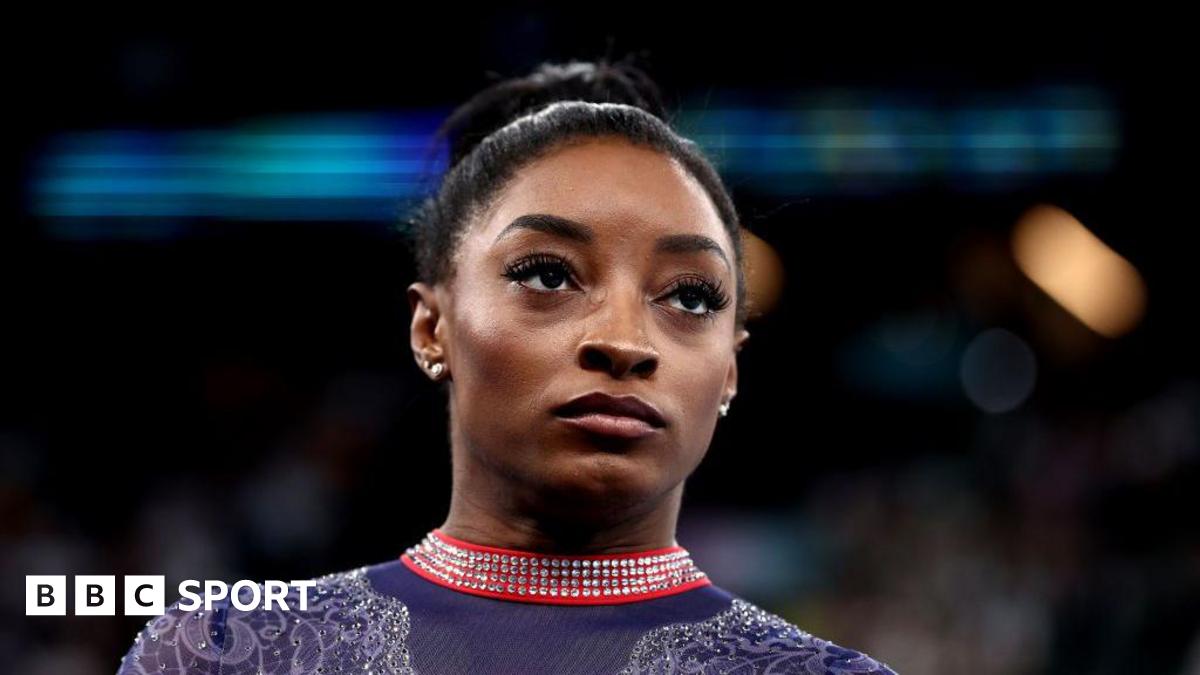
Simone Biles, the most decorated gymnast in history, revealed she experienced a severe health scare during her childhood that she described as almost dying. The seven-time Olympic champion shared these details during a recent episode of her podcast, “Biles”, where she discussed the emotional and physical toll of her early life and the systemic failures of the foster care system in the United States.
Biles described a specific incident involving a medical emergency that occurred while she was under the care of the state. According to Biles, the experience was a critical moment of instability that highlighted the precarious nature of her living situation before she was eventually adopted by her grandparents. The gymnast linked this health crisis to the broader trauma of being removed from her biological parents and the subsequent instability of the foster system.
This revelation comes as Biles continues to be a vocal advocate for child safety and institutional accountability in sports and social services. By detailing her personal struggle with a life-threatening health event, Biles provides a rare glimpse into the private hardships that preceded her ascent to global athletic dominance.
What happened during Simone Biles’ health scare?
During the “Biles” podcast, the gymnast recounted a period of extreme vulnerability where a medical crisis nearly became fatal. While Biles did not provide a clinical diagnosis for the event in the immediate context of the “almost dying” quote, she framed the incident as a byproduct of the neglect and instability she faced within the foster care system.
Biles explained that the lack of consistent, reliable care during her early years left her susceptible to risks that could have been mitigated with proper oversight. She described the feeling of helplessness during the crisis, noting that the experience left a lasting impression on her understanding of survival and resilience. This event served as a precursor to the emotional hurdles she would later navigate, including the “twisties” during the Tokyo 2020 Olympics.
The gymnast’s account emphasizes the intersection of physical health and psychological trauma. According to Biles, the stress of her childhood environment created a volatile foundation, making the health scare not just a medical anomaly but a symptom of a broken support system.
How did the foster care system impact Biles’ early life?
Simone Biles was removed from the care of her biological parents due to concerns over neglect and substance abuse. She spent a significant portion of her early childhood moving through the foster care system before her grandparents, Ron and Nellie Biles, stepped in to provide a stable home. Biles has frequently cited this transition as the turning point that allowed her to pursue gymnastics.
In her recent disclosures, Biles highlighted how the state-mandated care often failed to prioritize the basic safety and health of children. The “almost dying” experience she referenced is presented as a direct consequence of this systemic failure. She noted that the instability of rotating homes and the lack of consistent medical monitoring contributed to the severity of her health crisis.
The impact of these early years is evident in Biles’ current advocacy work. She has used her platform to bring attention to the plight of children in the U.S. Department of Health and Human Services framework, arguing that the system often overlooks the immediate physical and emotional needs of the children it is tasked to protect.
Why is Biles sharing these details now?
Biles is sharing these experiences to dismantle the image of the “invincible athlete” and to provide a roadmap for others who have survived childhood trauma. By discussing a moment where she almost died, she aims to show that her success in gymnastics was not a linear path but a struggle against significant odds.

The timing of these revelations coincides with her continued efforts to hold USA Gymnastics and other institutions accountable for the abuse of athletes. Biles has previously testified before the U.S. Congress regarding the failure of the FBI and USA Gymnastics to protect young gymnasts from predator Larry Nassar. Her decision to speak about her foster care experiences mirrors this pattern of demanding transparency and systemic reform.
Furthermore, Biles intends to highlight the importance of mental health support. She has argued that the physical strength required for elite gymnastics cannot exist without a corresponding level of psychological stability, something she had to fight to achieve after her childhood health and safety crises.
The connection between childhood trauma and athletic performance
Sports psychologists often note that athletes who overcome early adversity can develop a unique level of mental toughness, but Biles warns that this “resilience” often comes at a high cost. The health scare she described is a testament to the fragility she felt before finding stability with her grandparents.
The “twisties”—a psychological phenomenon where a gymnast loses their sense of space in the air—which Biles experienced during the International Olympic Committee sanctioned Tokyo Games, are often linked by experts to burnout and accumulated stress. Biles’ recent openness about her childhood trauma suggests a deeper connection between her early life-and-death struggles and the mental health challenges she faced on the world stage.
By bridging the gap between her “almost dying” health scare and her Olympic triumphs, Biles is redefining the narrative of the elite athlete. She posits that the ability to recover from a near-death experience in childhood contributed to the grit required to return to competition after a public mental health crisis.
The next scheduled update regarding Biles’ competitive status and her ongoing advocacy for child welfare is expected to align with upcoming international gymnastics qualifiers and her continued appearances on her podcast. Readers can follow official updates via her verified social media channels and the World Gymnastics Federation.
Do you believe elite athletes should be more open about their childhood struggles to help others? Share your thoughts in the comments below.