As parents and caregivers, navigating the early years of a child’s life often feels like a balancing act of appointments, milestones, and medical decisions. Among the most critical of these is the childhood vaccination schedule. Recently, public health authorities in Belgium have moved to simplify this process, announcing a strategic reduction in the number of vaccinations required for infants. This shift is not merely about convenience. it is a calculated effort to maintain high immunization coverage by streamlining a protocol that had become increasingly complex over the years.
The adjustment, which centers on the refined administration of the hexavalent vaccine, represents a broader trend in European public health: moving toward more efficient, evidence-based immunization programs. By consolidating protective measures, health officials aim to reduce the clinical burden on both families and healthcare providers while ensuring that infant immunity remains robust against preventable diseases. For global parents, understanding why these changes occur—and how they impact protective efficacy—is essential for informed decision-making.
Simplifying the Immunization Schedule
The primary driver behind the recent updates to the vaccination schedule in Belgium—as outlined by the Superior Health Council (Conseil Supérieur de la Santé)—is the desire to create a more streamlined experience for families. Historically, as new vaccines were introduced to combat emerging or persistent pathogens, the schedule grew in density. This “complexity creep” can inadvertently lead to missed appointments or hesitation, which public health experts are keen to avoid.

The decision to reduce the number of individual vaccination visits for infants is rooted in the high efficacy of current combination vaccines. The hexavalent vaccine, for instance, provides protection against six major diseases—diphtheria, tetanus, pertussis (whooping cough), polio, Haemophilus influenzae type b, and hepatitis B—in a single injection. By optimizing the timing of these doses, health authorities have determined that they can maintain the same level of individual and herd immunity without the need for additional, separate clinic visits.
Why Combination Vaccines Matter
Combination vaccines are a cornerstone of modern pediatric medicine. By delivering multiple antigens in one dose, these vaccines minimize the number of times a child needs to be pricked with a needle, reducing discomfort and the emotional stress associated with clinical visits. Beyond the immediate benefit to the child, this approach significantly improves the logistical efficiency of healthcare systems.
According to the World Health Organization (WHO), the use of combination vaccines is a recommended strategy to improve vaccination coverage rates globally. When parents have to make fewer trips to the pediatrician, the likelihood of completing the full series of recommended doses increases. This adherence is vital for preventing outbreaks of vaccine-preventable diseases, which remain a significant concern in various parts of the world due to fluctuating immunization rates.
The Impact on Public Health Policy
This policy adjustment reflects a shift in how medical experts evaluate the “burden of prevention.” When designing a national immunization program, authorities must weigh the immunological necessity of every dose against the practical challenges of implementation. A schedule that is too demanding can become a barrier to access, particularly in households where time, transportation, or childcare resources are limited.
In Germany, where I have spent much of my career in internal medicine and public health, we often observe the same challenges. The Standing Committee on Vaccination (STIKO) at the Robert Koch Institute continually reviews clinical data to ensure that recommendations remain both scientifically rigorous and practically viable. The Belgian example serves as a reminder that public health is not a static field; it is a dynamic discipline that must evolve to meet the needs of the population it serves.
Key Takeaways for Parents
- Efficiency: Reducing the number of visits does not mean reducing protection; it means optimizing how that protection is delivered.
- Consultation: Always consult your pediatrician or local health authority to ensure you are following the most current, region-specific guidelines.
- Consistency: Even with a simplified schedule, adhering to the recommended timeline remains essential for building long-term immunity.
- Safety: Combination vaccines undergo rigorous testing to ensure that the immune response to each individual component remains effective and safe.
Looking Ahead at Global Immunization
As we look toward the future, the integration of new technologies and a better understanding of immune memory will likely lead to even more efficient vaccination protocols. The goal remains consistent: to provide the highest level of protection against infectious diseases with the least amount of disruption to daily life. For parents, the best course of action is to stay informed through reputable, government-backed health portals and to maintain an open dialogue with their primary care providers.
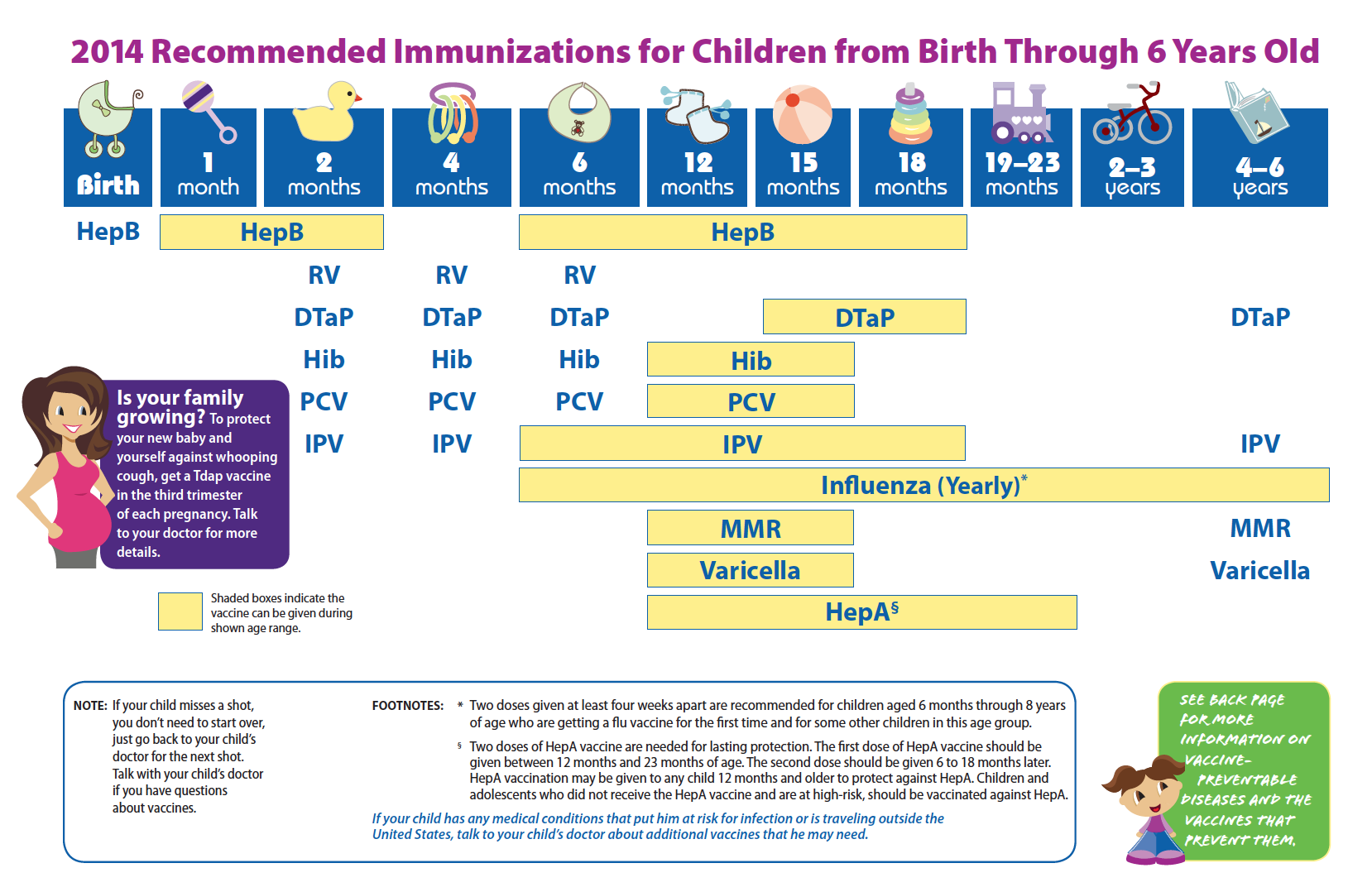
The next phase of this policy implementation in Belgium will be monitored by health agencies to ensure that coverage rates remain stable or improve. No further changes to the core infant schedule are currently scheduled for the immediate term; however, health authorities typically conduct annual reviews of their vaccination strategies based on epidemiological data. For those seeking the latest updates, the official Belgian federal health portal provides the most reliable information regarding current immunization requirements and public health advisories.
Have questions about how these changes affect your local region, or are you interested in how combination vaccines work at a cellular level? Please share your thoughts or questions in the comments section below—I look forward to discussing these important public health developments with you.
Worth a look