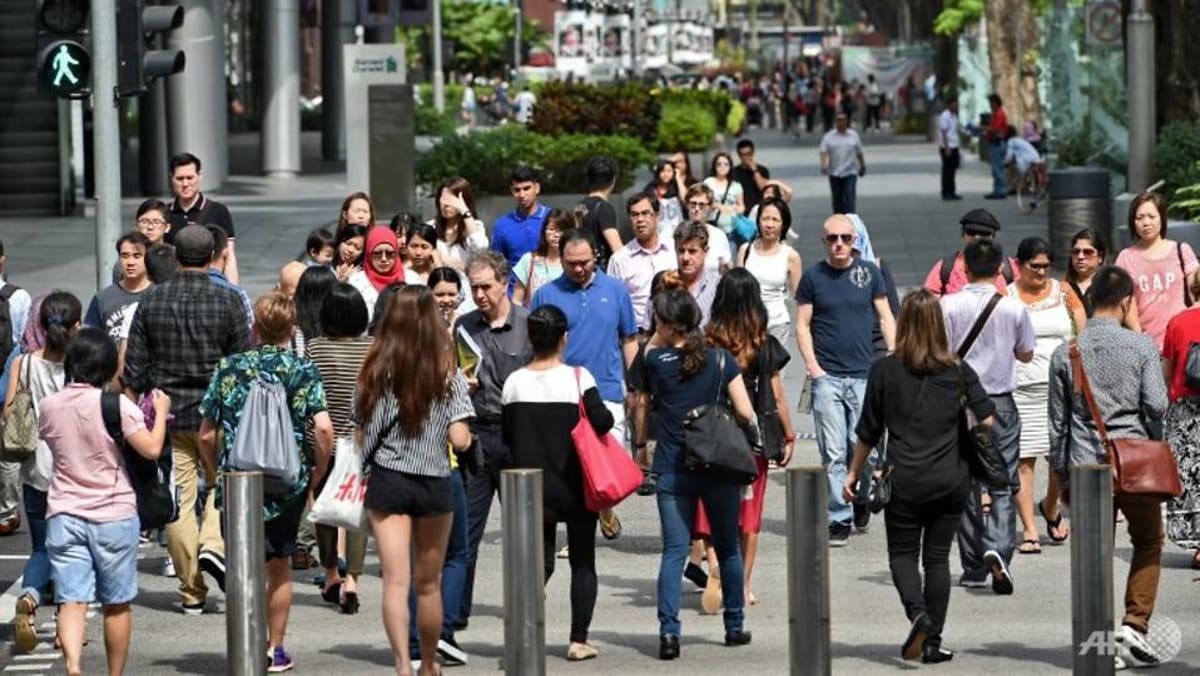
Singapore’s public health landscape has reached a significant milestone, with the life expectancy for residents rising to 83.9 years as of the latest reporting period. This increase reflects broader regional trends in healthcare accessibility and quality of life within the city-state, marking a steady advancement in the longevity of its population over the last decade.
As the nation navigates the complexities of an aging demographic, the Department of Statistics Singapore (SingStat) continues to track these vital metrics to inform national health policy. The upward trajectory in life expectancy underscores the effectiveness of sustained investment in medical infrastructure, preventative health screenings and the integration of advanced clinical practices across the island.
Understanding Longevity Trends in the Republic
The rise in life expectancy from 82.9 years in 2015 to 83.9 years in 2025 is not merely a statistical curiosity; it represents a decade of focused health initiatives. According to official data provided by the Ministry of Health (MOH), Singapore’s healthcare strategy emphasizes the management of chronic conditions and the promotion of active aging, which are critical factors in extending the healthy lifespan of its citizens.
This growth occurs against a backdrop of significant demographic shifts. With a population estimate of 6,110,200 as of 2025, the government has been proactive in preparing for the needs of a longer-living society. The focus remains on shifting the healthcare paradigm from reactive treatment to proactive wellness, ensuring that the additional years gained by the population are spent in relative health.
Key Factors Influencing Health Outcomes
Several institutional and socio-economic pillars contribute to these figures. The accessibility of high-quality primary care, combined with a robust public health system, ensures that residents have consistent interactions with medical professionals. The emphasis on public safety and environmental health in Singapore plays an underlying role in reducing external mortality risks.
The following table illustrates the demographic context and the scale of the city-state’s health environment:
| Indicator | Data Point |
|---|---|
| Total Population (2025) | 6,110,200 |
| Life Expectancy | 83.9 Years |
| GDP Per Capita (2026) | $107,758 (Nominal) |
| Governance Structure | Unitary Parliamentary Republic |
Public Health Infrastructure and Future Outlook
The government of Singapore, led by Prime Minister Lawrence Wong, continues to prioritize the healthcare sector as a cornerstone of national stability. The integration of technology in health records and the expansion of community-based care models are designed to sustain these longevity gains. As highlighted in reports from the Health Promotion Board, the goal is to enhance the quality of life for seniors, ensuring that rising life expectancy is matched by a high health-adjusted life expectancy (HALE).
The challenges of a shrinking workforce and a higher dependency ratio remain at the forefront of policy discussions. However, the current data suggests that the mechanisms currently in place—ranging from subsidized screenings to specialized geriatric care—are functioning as intended to support an aging populace.
What This Means for Residents
For the average resident, these statistics validate the long-term benefits of the national health strategy. The emphasis on early detection of diseases such as diabetes, hypertension, and high cholesterol has been instrumental in mitigating the risks associated with the most common causes of mortality in the region. By fostering an environment where residents are encouraged to monitor their health metrics regularly, the state has effectively lowered the incidence of preventable late-stage complications.
Looking ahead, the next official update from SingStat regarding population health trends is expected to provide further granularity on how these gains are distributed across different age cohorts and ethnic groups. These periodic releases remain the primary mechanism for the public to gauge the success of ongoing health reforms.
As a journalist covering global affairs, I welcome your insights on how your own regions are addressing the challenges of aging populations. Please feel free to share your thoughts in the comments section below or join the conversation on our social media channels.