Siheung City and local medical providers are expanding access to preventative care through a community-based initiative known as the “Visiting Health Program.” This collaborative effort, which recently saw medical professionals from Shiwa Hospital conduct health assessments at the Wolgot-dong Administrative Welfare Center, aims to bridge the gap between clinical settings and neighborhood-level wellness, according to local government health reports.
The program serves as a model for regional health cooperation, focusing on early detection and chronic disease management for residents who may face barriers to visiting traditional medical facilities. By bringing diagnostic equipment and professional consultations directly into the community, the project seeks to improve public health outcomes in underserved districts, as outlined by the Siheung City government regarding its ongoing public health strategies.
Addressing Community Health Needs Through Local Collaboration
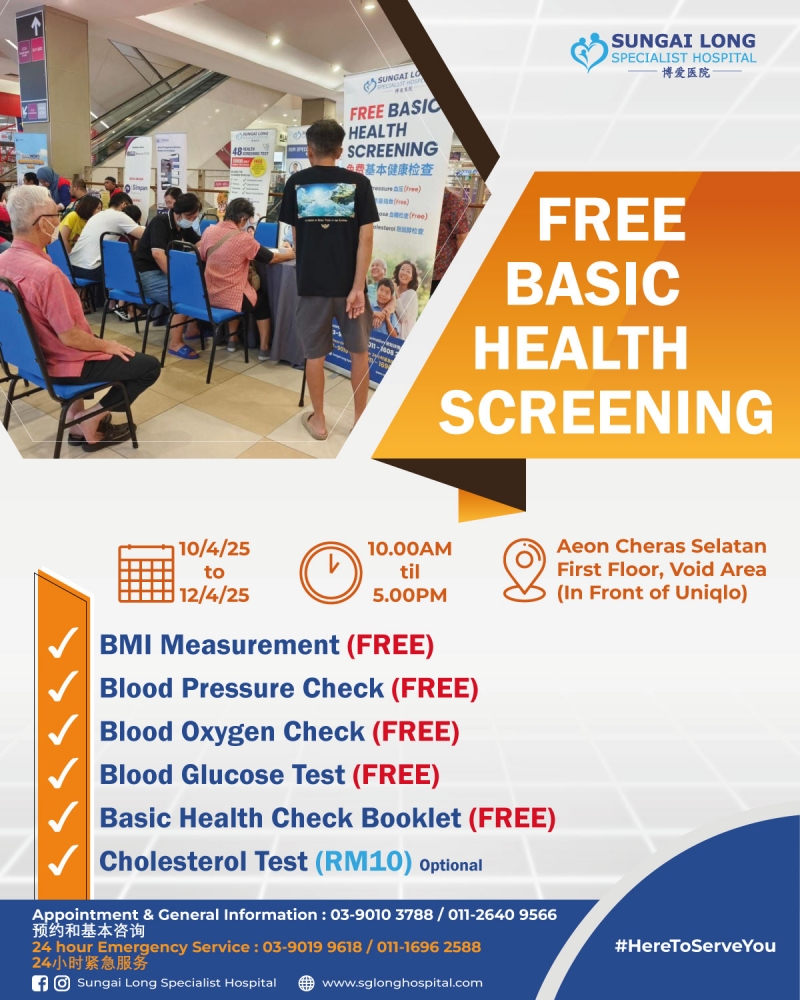
The core of the initiative involves a partnership between municipal welfare centers and specialized regional hospitals. During the recent visit to the Wolgot-dong center, medical staff provided residents with essential screenings, including blood pressure monitoring, blood glucose testing, and personalized health consultations. According to public health documentation from Siheung City, these programs are designed to identify health risks early, particularly among the elderly population, who are often at higher risk for non-communicable diseases.

Health officials emphasize that the “visiting” aspect of the program is essential for accessibility. In many urban environments, elderly residents or those with limited mobility may delay seeking medical advice until symptoms become acute. By decentralizing these services, the city and participating hospitals aim to normalize preventative care as a routine part of community life rather than an emergency-only interaction.
The Role of Regional Medical Centers in Public Wellness
Regional hospitals play a critical role in these outreach efforts by providing the expertise and equipment necessary for high-quality screenings. According to the Ministry of Health and Welfare of the Republic of Korea, community-hospital partnerships are a key component of the national strategy to manage the increasing burden of chronic illness in an aging society. By leveraging the resources of institutions like Shiwa Hospital, municipal centers can offer services that go beyond basic administrative support, providing professional medical oversight in familiar settings.

This cooperative model also allows for a more efficient referral system. If a resident is found to have abnormal results during a local screening, the hospital staff can facilitate a direct connection to specialized care, ensuring that the transition from community screening to clinical treatment is seamless. This integration is considered a hallmark of effective modern public health policy, as it minimizes the time between diagnosis and intervention.
Impact and Future Directions for Local Health Initiatives
The success of the Wolgot-dong program is measured not just by the number of participants, but by the long-term health literacy improvements among the residents. According to data from the Korea Disease Control and Prevention Agency (KDCA), community-based health education significantly increases the likelihood that individuals will adopt healthier lifestyle habits, such as improved diet and consistent physical activity. These programs serve as a vital touchpoint for health education, allowing doctors and nurses to provide practical, actionable advice tailored to the specific demographics of the neighborhood.
Looking ahead, Siheung City continues to evaluate the effectiveness of these outreach efforts to determine how they might be scaled or adapted for other districts. The primary objective remains the reduction of health disparities within the city. As these programs continue to evolve, the emphasis remains on sustainable, consistent engagement between medical professionals and the communities they serve.
Residents interested in participating in upcoming health programs are encouraged to monitor announcements from the Wolgot-dong Administrative Welfare Center or the official Siheung City portal for scheduling updates. These platforms provide the most accurate information regarding future screening dates, eligibility requirements, and the types of medical services that will be available during each visit. Sharing this information within local community groups remains the most effective way to ensure that vulnerable residents are aware of these resources.
- Company Cars, Transit Monitoring: How Home Care Providers Address Caregiver Transportation Gaps
- Scientists Map How Influenza A Virus Hijacks Human Cells with Unprecedented Detail
- FDA Approves Groundbreaking mRNA Vaccine Booster for Adults 50+, Boosting Immunity and Protecting Against Chronic Health Risks (archyworldys.com)