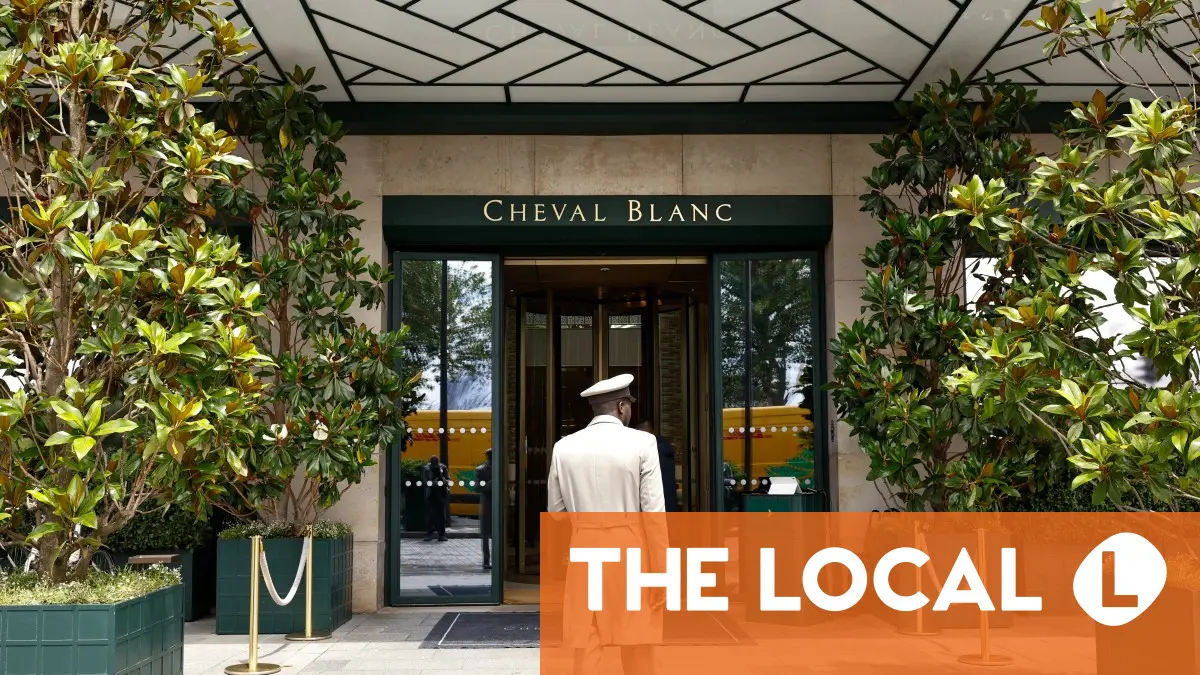
In the landscape of international luxury travel, France maintains a rigorous standard for its most prestigious accommodations. The “Palace” distinction, an elite designation established in 2010, serves as a hallmark of exceptional quality, historical significance, and unparalleled service. Recently, this exclusive group of properties expanded as Atout France, the French Tourism Development Agency, announced the addition of six new hotels to the official Palace list.
This designation is not merely a marketing label. it is a formal recognition granted by the French government to hotels that already hold the five-star rating but possess additional characteristics that make them unique. The award is designed to reflect the excellence of French hospitality on the global stage, ensuring that travelers experience a standard of service that is both distinctively French and internationally competitive. For the hospitality sector, achieving this status represents the pinnacle of professional achievement, signaling to the market that a property has met the stringent criteria set by a jury of experts appointed by the government.
The process of awarding the Palace distinction involves a two-stage evaluation. First, a preliminary examination is conducted to ensure the property meets the necessary requirements, followed by a second stage involving a site visit and a final deliberation by an appointed jury. This ensures that only properties offering the highest level of luxury, personalized service, and cultural contribution are selected. According to the French Ministry of the Economy, Finance and Industrial Sovereignty, the criteria for selection include the hotel’s heritage, its architectural character, and its commitment to sustainability and environmental responsibility.
Understanding the Palace Designation
To understand why this status is so coveted, one must look at the regulatory framework. The Palace distinction was introduced to prevent the dilution of the five-star category, which had become more accessible to a broader range of high-end hotels. By creating a tier above five stars, France sought to highlight properties that provide a “mythical” experience. These hotels are often housed in buildings with significant historical value, offer gastronomy at the highest level, and maintain a staff-to-guest ratio that allows for highly personalized attention.
The distinction is awarded for a period of five years, after which the property must undergo a re-evaluation to ensure that it continues to uphold the standards required for the designation. This periodic review process is critical for maintaining the prestige of the group. As noted by Atout France, the agency responsible for the promotion of the French tourism industry, the Palace label is a vital tool for attracting high-net-worth international travelers who prioritize exclusivity and cultural immersion in their travel planning.
For the six newly awarded properties, the designation marks the culmination of significant investment in both infrastructure and service training. These hotels are located across various regions in France, reflecting the country’s diverse luxury offerings, from the historic centers of Paris to the scenic vistas of the French Riviera and the alpine retreats of the mountains.
The Impact of Elite Hospitality on the Global Market
The addition of these six hotels to the Palace list has implications that extend beyond the individual businesses. It reinforces France’s position as a global leader in the luxury tourism sector. In a competitive environment where travelers have increasingly high expectations regarding digital integration, sustainability, and privacy, the Palace label serves as a trusted benchmark. It simplifies the decision-making process for luxury travelers who are looking for guaranteed excellence in a destination that is often defined by its history and refinement.
these hotels serve as major employers and economic drivers in their respective regions. The high standards required for the Palace designation necessitate a professional workforce trained in the nuances of luxury service, from concierge expertise to advanced culinary techniques. According to data provided by the National Institute of Statistics and Economic Studies (INSEE), the luxury hospitality sector remains a cornerstone of the French service economy, significantly contributing to the country’s GDP through international tourism receipts.
As the travel industry continues to evolve, the challenge for these properties is to balance traditional luxury—often defined by formality and opulence—with modern demands for agility and sustainability. The most successful Palace-designated hotels are those that have managed to integrate modern technology and eco-friendly practices without compromising the “mythical” atmosphere that the designation is intended to protect.
Looking Ahead: Maintaining the Standard
For those interested in the future of French luxury, the next official update regarding the composition of the Palace list will be managed by the Ministry of the Economy and Atout France. While the current list stands at a select number of properties, the process remains open to new applicants that meet the stringent eligibility criteria. Interested parties and industry observers can monitor the official Atout France portal for future announcements regarding new designations or updates to the existing criteria.

The commitment to excellence required for this status is an ongoing effort. As global travel trends shift, the criteria for the Palace distinction may also be adjusted to reflect new priorities, such as enhanced digital security or broader environmental certification requirements. For travelers and industry professionals alike, the Palace designation remains the ultimate indicator of a commitment to the art of living that defines the French luxury experience.
We invite our readers to share their thoughts on the evolution of luxury travel in the comments section below. Do you believe that formal designations like the “Palace” status remain relevant in an era of peer-to-peer reviews and social media influence? Your perspectives are valued as we continue to track the developments shaping the global hospitality industry.
Worth a look