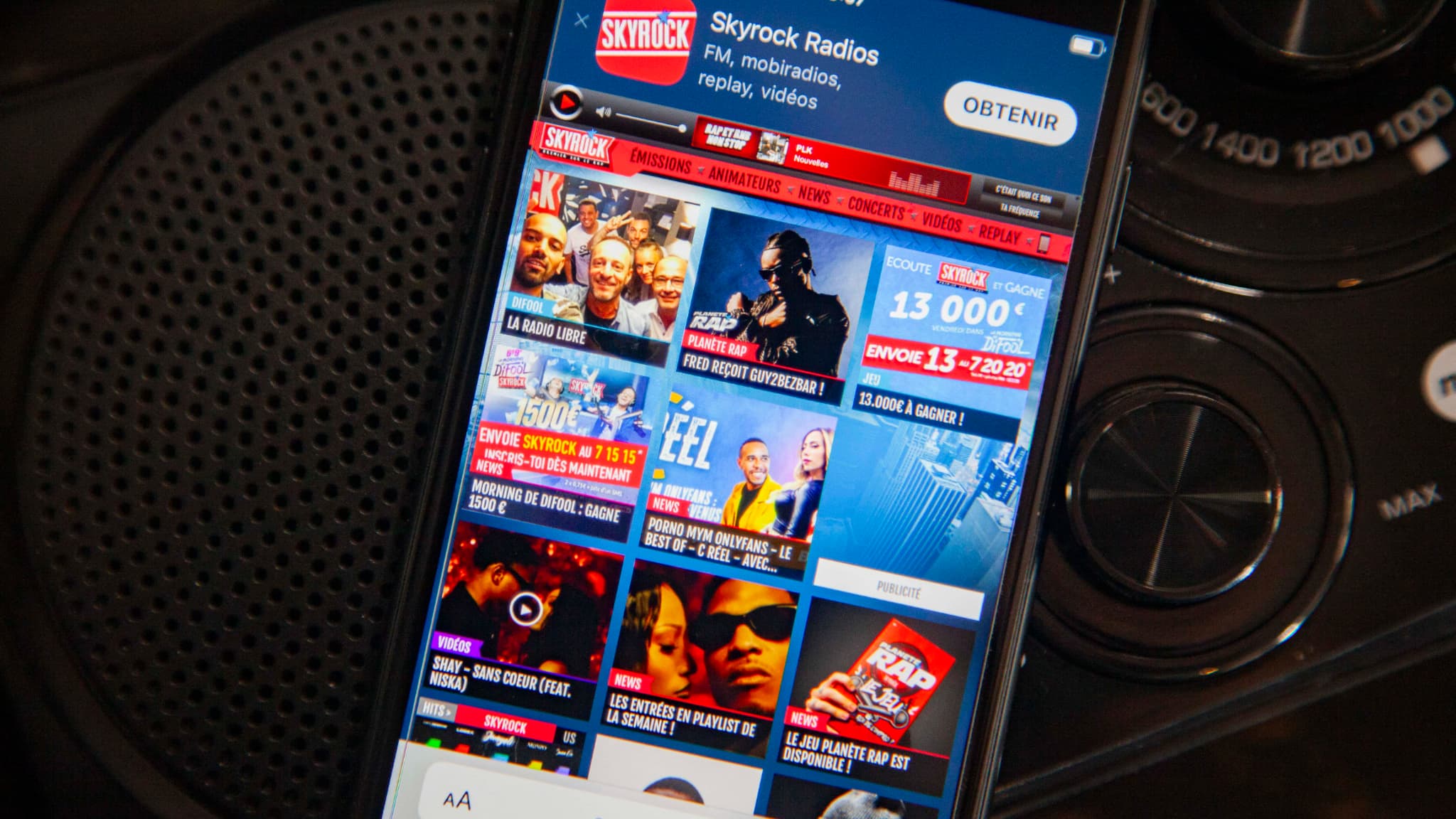
The intersection of artificial intelligence and artistic authenticity has sparked a fierce debate in the French music scene following a controversial decision by one of the country’s most influential urban radio stations. Skyrock, a powerhouse for rap and R&B, has come under fire for integrating an entirely AI-generated track into its programming, marking a pivotal and polarizing moment for the industry.
The controversy centers on a track titled Magique
by an entity known as Willylancien. The song, which surfaced on social media in early April 2026, quickly gained traction online before making the leap to traditional broadcast. The move has triggered a wave of backlash from listeners and cultural critics who argue that the automation of songwriting and performance undermines the remarkably essence of hip-hop culture.
For many, the decision is not merely a technological experiment but a threat to the livelihood of human artists. Critics have described the move as shameful
, with some claiming that the industry is effectively killing the culture
by prioritizing algorithmic efficiency over human experience and storytelling.
Progress or Erosion? The Skyrock Defense
Despite the outcry, Skyrock leadership has remained steadfast in its decision. Laurent Bouneau, the director of Skyrock, defended the inclusion of the AI-generated track by framing it as an inevitable evolution of the medium. According to reporting by franceinfo, Bouneau stated that the station does not intend to proceed against progress
.
The track Magique
first entered the station’s playlists on its antennas in Casablanca, Morocco, and Algiers, Algeria, before the broader implications of the broadcast became a focal point of national discussion in France. This strategic rollout suggests a willingness to test AI’s appeal in diverse markets before fully integrating it into the mainland French rotation.
The rise of Willylancien represents a broader trend in the digital music economy. The “artist” has already amassed 1.5 million streams, demonstrating that for a significant portion of the audience, the quality of the output outweighs the origin of the creation info.fr.
The Scale of the AI Music Surge
The Skyrock incident is not an isolated event but a symptom of a massive shift in how music is produced and distributed. The volume of AI-generated content flooding streaming platforms has reached an unprecedented scale, challenging the traditional gatekeeping roles of radio programmers and labels.
Data from the streaming platform Deezer highlights the magnitude of this disruption. According to figures cited by info.fr, approximately 20,000 AI-generated tracks are uploaded to Deezer every day. Even more striking is the fact that 44% of all fresh uploads on the platform are now AI-generated, signaling a fundamental change in the digital music landscape.
This influx of synthetic music creates a complex environment for human artists who must now compete for visibility against algorithms capable of producing polished tracks in seconds. The debate is no longer about whether AI can make music, but whether that music possesses the “soul” and cultural context required to sustain a genre like rap, which is historically rooted in struggle, identity, and lived experience.
Industry Impact and Cultural Stakes
The reaction from the public underscores a deep-seated anxiety regarding the “devaluation” of art. Rap music, in particular, relies on the authenticity of the lyricist—the “street credit” and personal history that validate the message. When a song is generated by a Large Language Model (LLM) and a synthetic voice, that connection between the artist and the community is severed.
Stakeholders in the music industry are now grappling with several critical questions:
- Copyright and Ownership: Who owns the rights to a song generated by an AI trained on thousands of human-made tracks?
- Economic Displacement: Will AI-generated “ghost” artists replace mid-tier songwriters and producers in commercial playlists?
- Cultural Preservation: Can a genre based on human rebellion and social commentary survive when the “commentator” is a piece of software?
While Skyrock continues to reach millions of listeners daily, the backlash suggests that a significant segment of its audience views the promotion of AI rap as a betrayal of the station’s role as a curator of urban culture.
Key Takeaways: The AI Rap Controversy
- The Trigger: Skyrock became the first major French radio station to play a 100% AI-generated rap song,
Magique
by Willylancien. - The Defense: Director Laurent Bouneau argues that the station must embrace technological progress.
- The Data: AI content is surging, with 44% of new uploads on Deezer being AI-generated.
- The Conflict: Listeners argue that AI music “kills the culture” by removing human authenticity from hip-hop.
As the industry moves forward, the case of Willylancien serves as a litmus test for the acceptance of synthetic creativity. Whether this is a temporary novelty or the beginning of a new era of “algorithmic pop” remains to be seen.
You’ll see currently no scheduled hearings or regulatory rulings regarding the legality of AI-generated music on French airwaves, but the discourse has prompted calls for clearer labeling of synthetic content in broadcasting.
We want to hear from you. Does the origin of a song matter if it sounds good, or is human authenticity non-negotiable in music? Share your thoughts in the comments below and share this story with your network.
Related reading