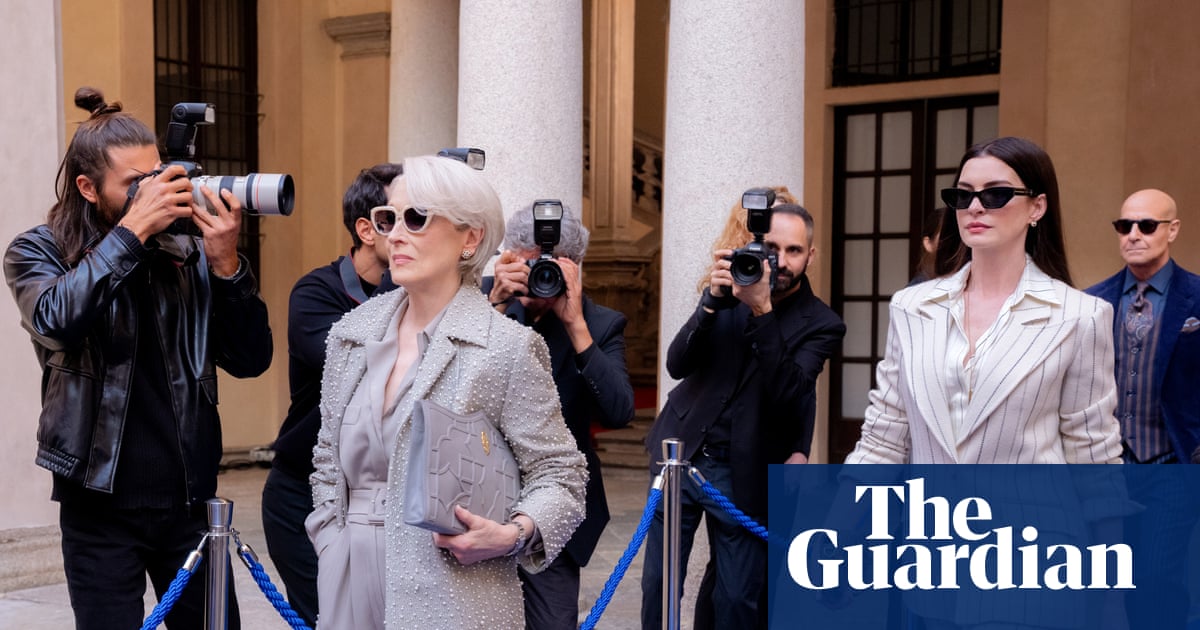
The high-fashion world is returning to the large screen today, May 1, 2026, as The Devil Wears Prada 2 officially premieres in theaters. Nearly two decades after the original 2006 phenomenon defined the “boss from hell” archetype, the sequel reunites the iconic quartet of Meryl Streep, Anne Hathaway, Emily Blunt, and Stanley Tucci in the sleek corridors of New York City’s fashion elite.
While the film carries its prestige title across most of the globe, the release in Vietnam has taken a more literal approach to branding. In a move that highlights the complexities of cultural translation and market psychology, the film is being presented to Vietnamese audiences as The Woman Who Loves Luxury Goods 2
(Yêu nữ thích hàng hiệu 2). This shift from the metaphorical “Devil” to a descriptive focus on “luxury goods” reflects a broader trend in international distribution where titles are stripped of Western idioms to ensure immediate consumer appeal.
For those who missed the first installment, the original film introduced the world to Miranda Priestly, the formidable editor-in-chief of Runway Magazine, and her long-suffering assistant, Andy Sachs. The 2006 hit was an adaptation of the novel by Lauren Weisberger and became a cultural touchstone for its depiction of professional ambition and the grueling demands of the fashion industry. The sequel, directed by David Frankel and written by Aline Brosh McKenna, aims to recapture that magic while updating the narrative for the era of digital luxury and evolving corporate power structures.
The Logistics of a Global Title Shift
The decision to rename the film in Vietnam is not an isolated incident but part of a strategic effort to avoid linguistic confusion. In English, The Devil Wears Prada
is a punchy, ironic statement. However, a direct translation of “The Devil” can sometimes lean too heavily into horror or supernatural connotations for casual viewers who may not be familiar with the original film’s satirical tone. By rebranding as The Woman Who Loves Luxury Goods 2
, distributors in Vietnam are opting for clarity over metaphor, signaling exactly what the film is about: wealth, fashion, and the women who navigate those spaces.

This “back to basics” approach is common in Southeast Asian markets, where descriptive titles often outperform idiomatic ones. By emphasizing luxury goods
, the title appeals directly to the aspirational nature of the target audience and the specific themes of the plot, which centers on the return of Andy Sachs to the orbit of Miranda Priestly after 20 years.
Returning to the Runway: Plot and Cast
The sequel sees the original cast reprising their roles in a story that bridges the gap between the mid-2000s and the present day. According to Disney+ coverage, the plot follows Andy, who has spent two decades working within the industry, only to find herself returning to Miranda Priestly’s office. The dynamic has shifted significantly; for instance, Emily Charlton, once the competitive first assistant, has evolved into a major player at a luxury brand, adding a new layer of professional rivalry and growth to the narrative.
The production brings back the core creative team, ensuring a consistent tone. The returning cast includes:
- Meryl Streep as Miranda Priestly
- Anne Hathaway as Andy Sachs
- Emily Blunt as Emily Charlton
- Stanley Tucci as Nigel
New additions to the ensemble include Justin Theroux and Kenneth Branagh, who bring fresh energy to the high-stakes environment of 20th Century Studios’ latest fashion venture.
Why Localization Matters in Entertainment
The contrast between the English title and the Vietnamese version underscores the “localization” process—the adaptation of a product to a specific locale or market. In the entertainment industry, this often involves more than just subtitles; it involves changing the very identity of the film to fit local sensibilities. When a title like The Devil Wears Prada
is translated as Yêu nữ thích hàng hiệu
(which translates closely to “The luxury-loving temptress/woman”), it transforms a Western cultural reference into a local archetype of power and glamour.
This strategy prevents the film from being miscategorized. Without the “luxury” keyword, a viewer might mistake the film for a dark thriller or a documentary on capitalism, whereas the Vietnamese title explicitly promises a story of high-end fashion and social climbing. This ensures that the marketing spend is targeted toward the correct demographic: those interested in the intersection of celebrity culture and luxury living.
The Legacy of the “Devil” in Pop Culture
The original film did more than just entertain; it introduced a lexicon of “corporate dread” and “fashion authority” into the global consciousness. Miranda Priestly’s cold, precise demands became shorthand for the uncompromising nature of high-level management. By returning to this world in 2026, the sequel has the opportunity to comment on how the “Devil” has changed in the age of social media influencers and “quiet luxury.”
:max_bytes(150000):strip_icc()/The-Devil-Wears-Prada-2-111225-3-6f56411517d64857ac20af9168e20699.jpg "Was Renamed Devil Wears")
The anticipation for the sequel has been building since development began in July 2024. Despite initial hesitation from lead actors Meryl Streep and Anne Hathaway regarding the prospects of a sequel, the alignment of the original cast and crew has turned the project into one of the most anticipated comedy-dramas of the year.
Quick Facts: The Devil Wears Prada 2
| Category | Detail |
|---|---|
| Release Date | May 1, 2026 |
| Director | David Frankel |
| Writer | Aline Brosh McKenna |
| Studio | 20th Century Studios |
| Vietnamese Title | Yêu nữ thích hàng hiệu 2 |
As the film rolls out globally, the industry will be watching closely to observe if the literal translation in Vietnam leads to higher box office returns compared to markets using the original title. It is a fascinating case study in how a single word—”Devil”—can be a powerful brand in one culture and a potential point of confusion in another.
With the film now in theaters, the next major milestone for the production will be the release of the first critical reviews and box office tallies for the opening weekend, expected by Monday, May 4, 2026.
Do you prefer the original title or the more literal Vietnamese version? Share your thoughts in the comments below and let us know if you’re heading to the cinema this weekend.
Worth a look