The indie gaming landscape has a new benchmark for success. Since its arrival, Slay the Spire 2 has not only captured the attention of the roguelike community but has established itself as one of the most significant indie Steam launches in the platform’s history according to Alinea Insight.
As a software engineer turned journalist, I have watched many sequels struggle to live up to the legacy of a genre-defining predecessor. However, the momentum behind this title is undeniable. The game has seamlessly transitioned from a highly anticipated sequel to a commercial juggernaut, dominating both revenue charts and hardware-specific popularity metrics as we move into the second quarter of 2026.
The title’s integration with portable hardware has been a primary driver of its current ubiquity. For the month of March 2026, Slay the Spire 2 led the way as the most played game on the Steam Deck via GamingOnLinux. This synergy between a turn-based, strategic loop and handheld accessibility has created a “perfect storm” for player retention.
Commercial Dominance and Market Analytics
Beyond player counts, the financial trajectory of Slay the Spire 2 has been startling. According to recent analytics, the game has already surpassed the Steam revenue of other heavyweight indie titles, including Hades II and Hollow Knight: Silksong as reported by gameworldobserver.com.
This revenue surge is indicative of a broader trend in the indie market where established intellectual properties with deep mechanical roots can outpace even the most hyped new releases. The ability of Slay the Spire 2 to maintain this lead suggests that the core gameplay loop—the relentless cycle of deck building, combat and death—remains as compelling to a global audience as it was in the original title.
The Feedback Loop: Navigating the “Review Storm”
Despite the commercial triumphs, the launch has not been without friction. The development team recently faced a “storm” of negative reviews, a common occurrence when high expectations meet the realities of a complex launch. In a candid response to the backlash, the team expressed that while the negative reception was unexpected, they viewed it as a manageable part of the process.
What distinguishes the studio’s approach is its willingness to act on player feedback. In a recent development cycle, the team rolled back several controversial changes following a testing update, demonstrating a commitment to listening to the community. This iterative process—launching, listening, and correcting—is essential for maintaining the delicate balance of a roguelike, where a single tweak to a card’s cost or an enemy’s health can fundamentally alter the game’s difficulty curve.
Mastering the Meta: The Heir Character
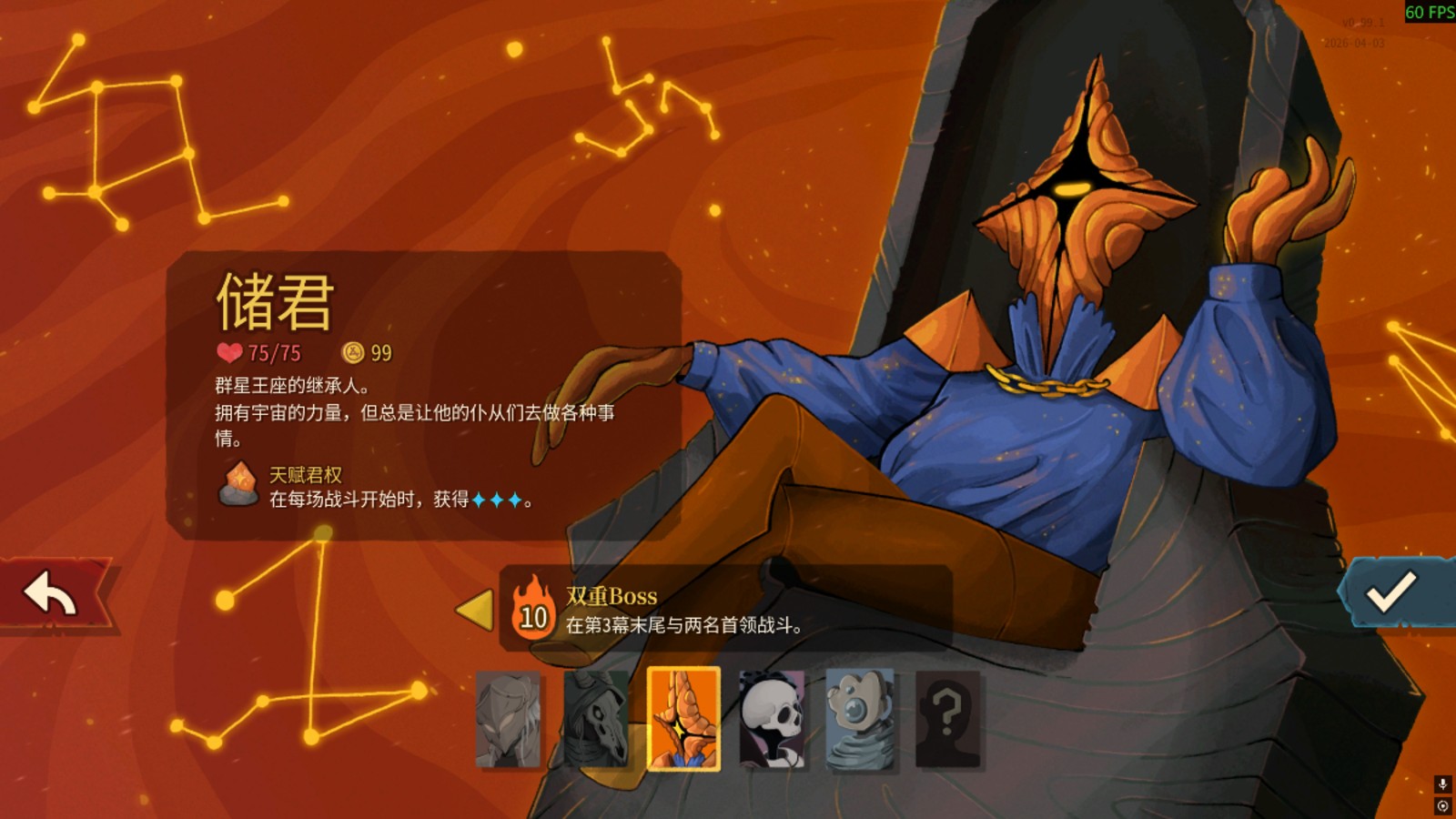
As the community settles into the game, the focus has shifted toward optimizing character builds. Much of the current strategic discourse centers on the “Heir” (儲君) character. Players are currently dissecting the Heir’s unique card pool to determine the most effective deck-building archetypes and card selection priorities.
Understanding the synergy between specific card choices and the Heir’s innate abilities is now the primary goal for those attempting to conquer the game’s higher ascension levels. The complexity of the Heir’s kit requires a nuanced approach to “流派” (playstyle/build) construction, where the difference between a successful run and a crushing defeat often comes down to a single card choice in the early acts.
Key Strategic Considerations for New Players
- Card Synergy: Prioritize cards that amplify the Heir’s core mechanics rather than taking high-value cards that do not fit the overall build.
- Deck Thinning: As with most deck-builders, removing unnecessary cards is critical to ensure the most powerful abilities are drawn more frequently.
- Adaptive Building: Avoid committing to a single strategy too early; the best runs often adapt based on the relics and cards offered during the ascent.
Future Development and the “Core Experience”
Looking ahead, the developers have hinted at potential additions to the game, including competitive modes and “short-time” modes designed for quicker sessions. However, the studio has maintained a strict philosophical boundary regarding these additions.
The developers have stated that they will only implement these modes if they do not dilute the core experience. This cautious approach suggests that the team prioritizes the integrity of the single-player roguelike journey over the trend of adding multiplayer or competitive elements simply for the sake of engagement. For a game built on the tension of a lonely climb up a spire, preserving that atmosphere is a strategic choice that aligns with the game’s identity.
| Metric | Status/Result | Context |
|---|---|---|
| Steam Deck Popularity | #1 Most Played | March 2026 Data |
| Revenue Comparison | Exceeded Hades II & Silksong | Steam Analytics |
| Launch Classification | Top Indie Launch | All-time Steam Ranking |
| Developer Stance | Player-Centric/Iterative | Rollback of controversial updates |
The trajectory of Slay the Spire 2 serves as a case study in how to handle a high-stakes sequel. By combining massive commercial success with a transparent, responsive relationship with its player base, the developers are ensuring that the game remains relevant long after the initial launch hype fades.
The next major milestone for the community will be the official confirmation of whether the proposed competitive and short-time modes will be integrated into the main build. Until then, the focus remains on mastering the Heir and discovering the most broken combinations the game has to offer.
Do you think the addition of competitive modes would enhance the experience or distract from the core loop? Share your thoughts in the comments below.
Keep reading