Developer MegaCrit has confirmed significant gameplay adjustments for the highly anticipated sequel Slay the Spire 2, specifically targeting the procedural generation systems and boss encounter variety in the game’s third act. These updates, detailed during recent developer showcases and community updates, reflect an effort to refine the roguelike experience by introducing more robust randomization and replacing specific boss encounters to increase replayability.
The transition from the original Slay the Spire to its sequel involves a technical overhaul of how the game handles “true randomness.” According to statements from the development team at MegaCrit, the studio is moving toward a more sophisticated implementation of RNG (random number generation) to ensure that player runs remain unpredictable, even for those who have mastered the mechanics of the first title. This shift aims to reduce the predictability that often emerges in long-term strategy games, forcing players to adapt their card drafting and relics in real-time rather than relying on established “solved” patterns.
Refining Third Act Boss Encounters
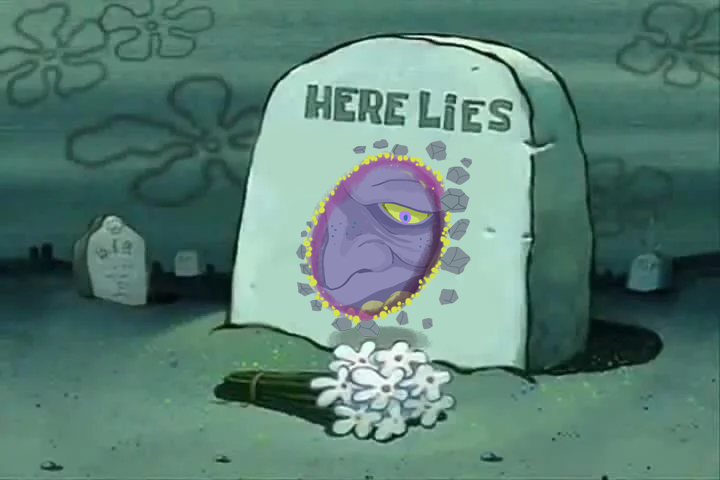
One of the most notable changes involves the removal and replacement of a specific boss in the third act. In the original Slay the Spire, the third-act bosses—Time Eater, Deca and Donu, and the Awakened One—provided a fixed set of challenges. For the sequel, the developers have indicated that they are swapping out one of these encounters to introduce a fresh dynamic to the late-game climb.

This design decision serves to keep the end-game stakes high. By replacing a familiar obstacle with a new entity, MegaCrit is attempting to disrupt the meta-gaming strategies that veteran players developed over the years. The goal is to ensure that even at the final stages of a run, the player cannot rely on muscle memory alone. The studio has emphasized that these changes are part of a broader philosophy to make Slay the Spire 2 feel like a distinct evolution of the genre rather than a mere expansion of the original content.
The Evolution of Procedural Generation
The introduction of “true randomness” is a technical shift intended to address player feedback regarding the perceived patterns in the original game’s map generation and event occurrences. While the first game was praised for its balance, some high-level players noted that the seeds could occasionally lead to stagnant playstyles. The new engine in Slay the Spire 2 is designed to provide a wider variance in potential encounters, loot drops, and pathing options.

This technical update is supported by the move to a new engine, which allows for more complex interactions between game objects. According to initial Steam store page details provided by the developers, the sequel is built from the ground up to support modern features that were not possible during the initial 2017 development cycle of the first game. This includes more fluid animations, deeper character customization, and the aforementioned overhaul of the randomization algorithms.
Why These Changes Matter for Strategy Players
For the average player, these adjustments represent a fundamental change in how the game is approached. In the roguelike genre, “predictability” is often the enemy of longevity. By tweaking the boss pool and tightening the randomization, MegaCrit is essentially resetting the learning curve. Players who spent thousands of hours in the original title will now have to re-evaluate their deck-building priorities.
The strategy shift is also a response to the community’s desire for higher difficulty ceilings. As players become more proficient, the game must offer new variables to maintain the same level of tension. By introducing a new boss and refining the randomness, the developers are creating a “fresh” challenge that respects the player’s past experience while denying them the comfort of knowing exactly what lies behind the Act 3 fog of war.
What Happens Next
MegaCrit has announced that Slay the Spire 2 is scheduled for an Early Access release in 2025. This phase will be critical for balancing the new boss encounters and ensuring the “true randomness” does not inadvertently create unbeatable scenarios. The developer has committed to a transparent development process, frequently updating the community via their official X (formerly Twitter) account regarding balance patches and feature rollouts.
As the release date approaches, players should expect further refinements to the character classes—such as the newly introduced Necrobinder—and potential tweaks to the relic system. The community is encouraged to follow official channels for the exact date of the Early Access launch, as the studio typically announces these milestones on short notice. Share your thoughts on these changes in the comments below, and keep an eye on our tech section for further updates as we approach the 2025 launch window.
Related reading