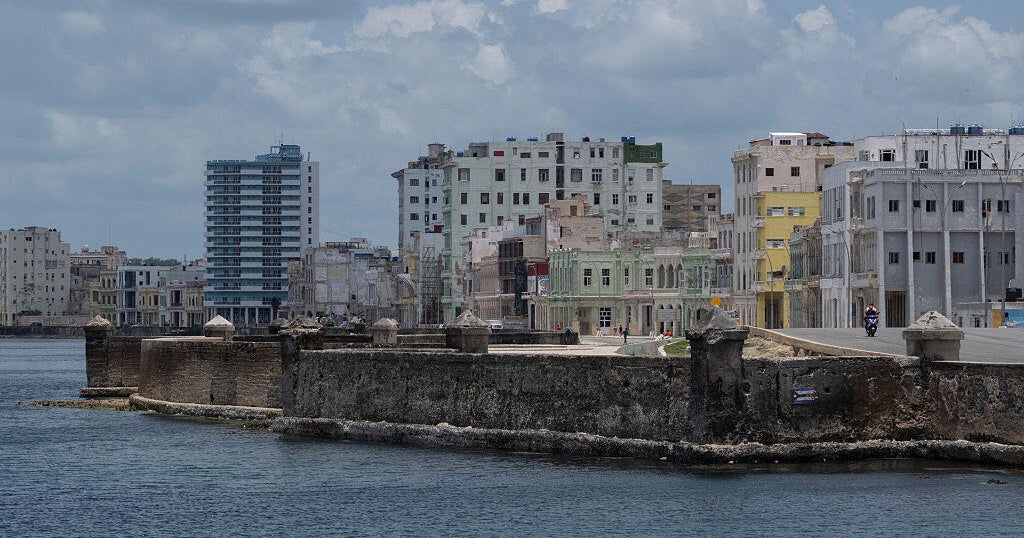
The Cuban government has initiated a series of unprecedented free-market reforms as it faces its most severe economic contraction in decades, characterized by chronic shortages of food, fuel, and medicine. President Miguel Díaz-Canel and the ruling Communist Party have formally moved to loosen state control over the economy, authorizing expanded roles for small-to-medium private enterprises and attempting to stabilize a currency that has seen its value plummet on the informal market, according to official government statements and legislative reports. These adjustments represent a departure from the traditional, highly centralized socialist economic model that has defined the nation since 1959.
The policy shifts follow a period of intense economic strain exacerbated by a tightening of United States sanctions under the Helms-Burton Act, alongside the lingering effects of the COVID-19 pandemic on the island’s vital tourism sector, as detailed by international economic monitors. While the government maintains that the socialist structure remains the foundation of Cuban society, the current legislative package seeks to incentivize domestic production and attract foreign investment to mitigate the impact of the ongoing crisis.
Drivers of the Economic Crisis in Cuba
The urgency behind these reforms stems from a confluence of domestic inefficiencies and external pressures. According to data provided by the Economic Commission for Latin America and the Caribbean (ECLAC), Cuba’s gross domestic product has failed to recover to pre-2019 levels, leading to a significant migration of the workforce and a decline in national purchasing power. The government has acknowledged that the state-run sector is unable to provide basic goods for the population, forcing the administration to allow private actors to fill critical gaps in supply chains.
The decline in the Cuban peso, which is traded on the informal “street” market at a fraction of its official exchange rate, has effectively eroded the savings of average citizens. By allowing private businesses—known locally as mipymes—greater autonomy in importing goods and setting prices, the state hopes to curb the rampant inflation that has made daily life increasingly difficult for the average household, as reported by financial analysts monitoring the Caribbean region.
Scope of the Market Reforms
The legislative updates include a broader authorization for small and medium-sized private businesses to operate in sectors previously reserved exclusively for the state. These reforms include:

- Increased Private Participation: Expanding the sectors where private entrepreneurs can legally operate, including wholesale and retail trade.
- Foreign Investment Protocols: Simplifying the legal framework for foreign companies to partner with local entities, particularly in the agricultural and manufacturing sectors.
- Fiscal Adjustments: A revision of tax structures for private firms to encourage formalization and reinvestment within the country.
These measures are frequently compared by regional observers to the “Doi Moi” reforms implemented in Vietnam or the market-oriented shifts in China during the late 20th century, though Cuban officials emphasize that these changes are designed to preserve the “socialist achievements” of the revolution. The official state media outlet Granma has characterized these moves as necessary adjustments rather than a transition toward capitalism.
Impact on International Relations
The shift in economic policy is occurring against the backdrop of persistent tensions between Havana and Washington. The U.S. government maintains a comprehensive embargo on the island, which restricts financial transactions and limits the ability of Cuban firms to access international credit markets, as outlined by the U.S. Department of State. The Biden administration has not signaled a significant easing of these restrictions, citing concerns over human rights and the political structure of the Cuban government.
For the Cuban populace, the reforms present a complex reality. While private enterprise offers a potential lifeline for goods and services, it also creates a widening inequality gap between those with access to foreign currency and those who rely solely on fixed state salaries. The government faces the significant challenge of managing this transition without sparking social unrest or losing the support of its traditional base.
What Happens Next
The implementation of these reforms will be monitored closely in the coming months by the National Assembly of People’s Power. The next major checkpoint for these policies will be the upcoming legislative session, where the government is expected to present reports on the efficacy of the new tax and import regulations. Observers are also watching for any potential changes to the official exchange rate, which remains a primary point of contention for international lenders and local business owners alike.
The success of these measures remains uncertain, as the country continues to struggle with chronic energy shortages and a lack of hard currency. As the situation evolves, international agencies such as the International Monetary Fund are expected to provide updated assessments on the island’s fiscal trajectory. Readers interested in the latest official updates are encouraged to monitor the bulletins released by the Cuban Ministry of Economy and Planning.
This report will be updated as further legislative details and economic performance data become available. We welcome your perspective on these developments; feel free to share your thoughts in the comments section below.
Related reading