
Beyond Fatigue: How Sleep Disorders May Drive Gallstones, Pancreatitis, and Neurodegeneration
For most of us, the warning signs of a poor night’s sleep are familiar: irritability, a midday slump, and a heavy reliance on caffeine. However, emerging medical research suggests that the consequences of sleep disorders extend far beyond simple exhaustion. What was once viewed primarily as a matter of lifestyle inconvenience is increasingly being recognized as a significant systemic health risk, potentially linked to digestive complications and the onset of devastating neurodegenerative diseases.
Recent clinical observations have highlighted a troubling correlation between chronic sleep disturbances and metabolic disruptions. Specifically, medical data indicates that sleep disorders may be associated with an increased risk of developing gallstones and pancreatitis. While the biological pathways are still being mapped, the connection between disrupted circadian rhythms and digestive health is becoming a focal point for gastroenterologists and sleep specialists alike.
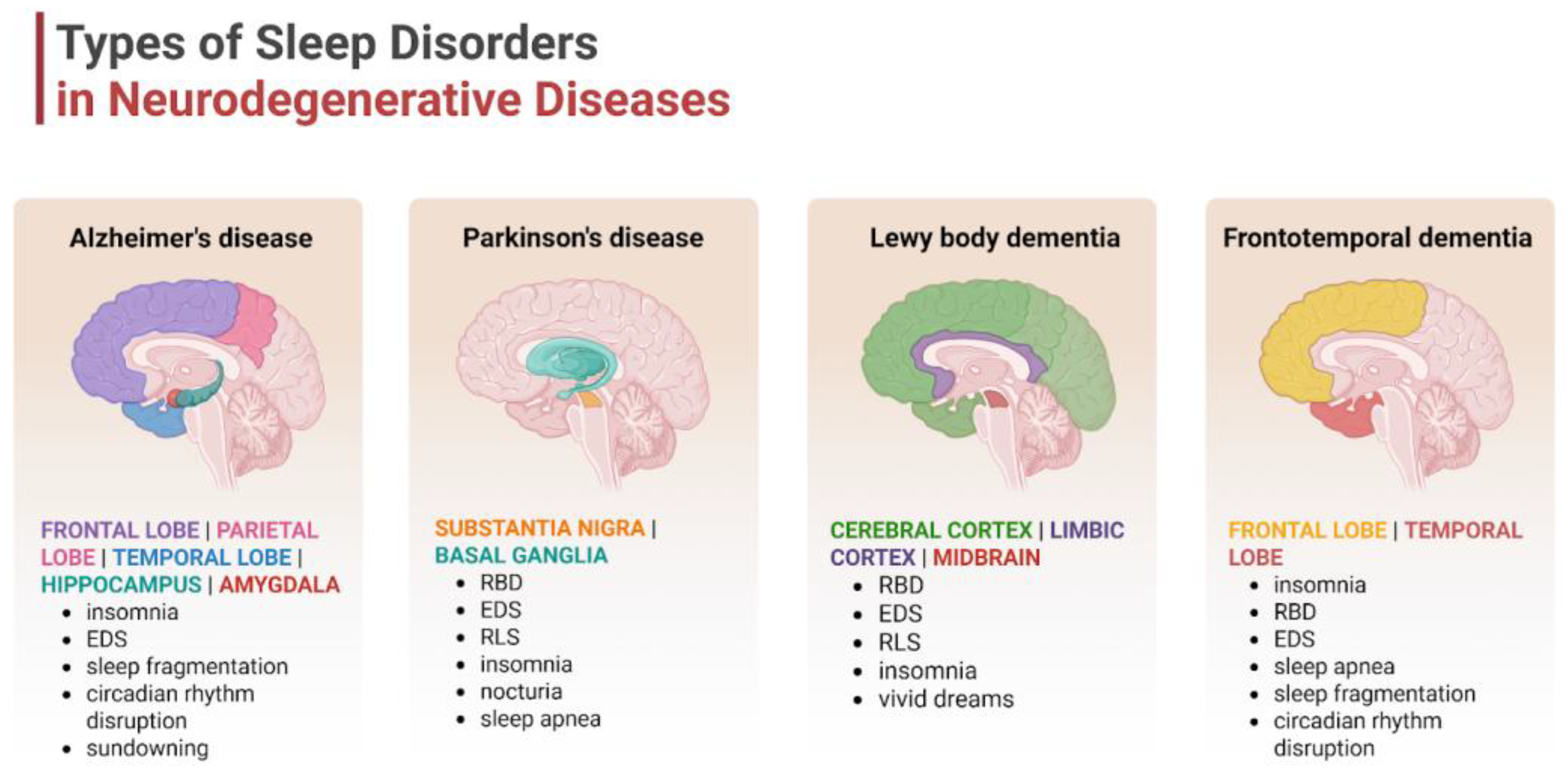
Even more concerning is the neurological toll. The link between sleep quality and brain health is no longer theoretical; evidence suggests that sleep disorders are a significant risk factor for dementia and Parkinson’s disease. As our understanding of the brain’s “cleaning” mechanisms matures, it is becoming clear that failing to achieve restorative sleep may leave the brain vulnerable to the very proteins that drive cognitive decline.
The Digestive Connection: Gallstones and Pancreatitis
The relationship between sleep and the digestive system is rooted in the body’s complex metabolic regulation. Sleep is not merely a period of inactivity; it is a highly active state of physiological maintenance. When sleep patterns are disrupted—whether through insomnia, sleep apnea, or irregular schedules—the body’s hormonal balance is thrown into disarray.

One of the primary concerns is the impact on the gallbladder and the pancreas. Chronic sleep deprivation is closely linked to metabolic syndrome, a cluster of conditions that include insulin resistance and systemic inflammation. These metabolic shifts can alter the composition of bile, significantly increasing the likelihood of gallstone formation. The stress placed on the endocrine system by irregular sleep can trigger inflammatory responses in the pancreas, potentially contributing to the risk of pancreatitis.
Medical experts suggest that the disruption of the circadian rhythm interferes with the natural timing of digestive enzyme secretion and bile production. When the body’s internal clock is out of sync with its metabolic processes, the digestive organs may struggle to function efficiently, leading to the buildup of stones or acute inflammatory episodes.
The Neurological Toll: Dementia and Parkinson’s Disease
Perhaps the most profound impact of sleep disorders lies within the central nervous system. For years, scientists have investigated why sleep is essential for cognitive function, and the answer appears to lie in the glymphatic system—a macroscopic waste clearance system that becomes highly active during deep, non-REM sleep.
During these restorative stages, the brain effectively “washes” itself, clearing out metabolic byproducts, including beta-amyloid and tau proteins. These proteins are the primary hallmarks of Alzheimer’s disease and other forms of dementia. When sleep is fragmented or insufficient, this clearance process is compromised, allowing toxic proteins to accumulate in the brain tissue. This accumulation is a known driver of the neurodegeneration seen in dementia patients.
The connection extends to Parkinson’s disease as well. Research has indicated that sleep disturbances, particularly those involving REM sleep behavior disorder, often precede the motor symptoms of Parkinson’s by years. The loss of sleep-driven neuroprotection may exacerbate the degradation of dopamine-producing neurons, making sleep quality a critical factor in long-term neurological resilience. Studies published via the National Institutes of Health (NIH) have increasingly emphasized this bidirectional relationship between sleep architecture and neurodegenerative risk.
The Science of Restorative Sleep
To understand why these risks exist, one must understand what sleep actually does for the human body. Sleep is a period of intense biological “repair and restore” work. It is categorized into two main modes: Rapid Eye Movement (REM) sleep and non-REM sleep.
- Non-REM Sleep: This stage is essential for physical restoration. During deep non-REM sleep, the body repairs tissues, builds bone and muscle, and strengthens the immune system. It is also the primary window for the glymphatic system to perform its metabolic cleansing of the brain.
- REM Sleep: This stage is critical for cognitive and emotional processing. REM sleep is vital for memory consolidation, learning, and maintaining emotional regulation.
When a person suffers from a sleep disorder, they are often denied access to one or both of these vital states. A person might be “asleep” for eight hours but, due to apnea or frequent micro-awakenings, may never reach the deep NREM or the restorative REM stages required for systemic health. This results in a body that is perpetually in a state of physiological stress, unable to complete its essential maintenance cycles.
Key Takeaways for Long-Term Health
- Sleep is a metabolic regulator: Disrupted sleep can trigger insulin resistance and inflammation, increasing the risk of gallstones, and pancreatitis.
- The brain requires sleep to “clean”: The glymphatic system relies on deep sleep to clear neurotoxic proteins associated with dementia.
- Neurological warning signs: Sleep disturbances can sometimes be early indicators of neurodegenerative conditions like Parkinson’s.
- Consistency matters: Maintaining a regular circadian rhythm is as important as the total number of hours slept.
Frequently Asked Questions
Can improving my sleep hygiene prevent dementia?
While sleep hygiene is a critical component of brain health, it is not a guaranteed preventative. However, optimizing sleep quality is one of the most effective lifestyle interventions available to support the brain’s natural waste-clearance mechanisms and reduce long-term risk.
What are the signs that my sleep disorder is affecting my digestion?
Symptoms such as chronic indigestion, abdominal discomfort, or sudden changes in metabolic health should be discussed with a physician, especially if they are accompanied by known sleep issues like snoring or daytime fatigue.
Is sleep apnea different from general insomnia?
Yes. While insomnia is characterized by difficulty falling or staying asleep, sleep apnea involves physical interruptions in breathing. Both can severely disrupt sleep architecture and lead to the systemic risks mentioned above.
Looking Ahead
As medical science continues to bridge the gap between sleep medicine and gastroenterology, we expect to see more definitive clinical guidelines regarding the management of sleep disorders to prevent metabolic and neurological complications. Researchers are currently looking toward more precise diagnostic tools to identify “micro-disruptions” in sleep that may precede major health events.
For those experiencing persistent sleep issues, the next step is a formal consultation with a sleep specialist or a neurologist to establish a baseline and develop a management plan.
What are your thoughts on the growing link between sleep and systemic disease? Share this article with your network and join the conversation in the comments below.