
In the quiet hours of the night, a global crisis is unfolding—not with a bang, but with the soft glow of a smartphone screen and the rhythmic ticking of a clock that refuses to stop. Sleep disorders, once viewed as occasional inconveniences or the byproduct of a stressful week, have evolved into what medical professionals are increasingly calling a silent public health epidemic. From the high-pressure boardrooms of Tokyo to the sprawling suburbs of Berlin, a growing segment of the population is struggling to achieve the restorative rest essential for human survival.
As a physician and health journalist, I have observed a troubling trend: we are witnessing the rise of a sleepless society. The modern environment—characterized by 24/7 connectivity, artificial light pollution and an escalating mental health crisis—is fundamentally at odds with our biological imperatives. Sleep is not merely “down time”; This proves a critical physiological process during which the brain flushes out metabolic waste and the body repairs systemic damage. When this process is compromised, the consequences ripple through every aspect of our physical and mental well-being.
The scale of this issue is staggering. Recent data underscores a widening gap between our understanding of sleep’s importance and our ability to achieve it. According to the 2026 Global Sleep Survey by Resmed, 84% of people recognize that consistent, quality sleep can extend a healthy lifespan, yet more than half of the global population reports achieving a good night’s sleep on four nights a week or less. This discrepancy highlights a systemic failure in how we structure our modern lives.
The Anatomy of a Global Epidemic
To understand why sleep disorders are becoming a “silent folk disease,” we must look at the prevalence of insomnia and its associated burdens. Insomnia is not a monolithic condition; it manifests as difficulty falling asleep, frequent nighttime awakenings, or waking up too early. While many experience transient insomnia during periods of acute stress, chronic insomnia disorder is a debilitating condition that requires clinical intervention.
The prevalence of these disorders varies by region, but the trend is universally upward. Some estimates suggest that insomnia affects as many as 35% of adults, leading to excessive daytime sleepiness and a significantly higher risk of automotive accidents according to the Sleep Foundation. In Europe, the economic burden is becoming a primary concern for healthcare systems, as sleep deprivation correlates directly with lost productivity and increased healthcare spending due to comorbid conditions.
The danger of sleep disorders lies in their invisibility. Unlike a fever or a broken limb, sleep deprivation is often worn as a badge of honor in competitive professional environments. The “hustle culture” of the 21st century encourages the sacrifice of sleep for productivity, ignoring the biological reality that a sleep-deprived brain is functionally impaired. Research indicates that chronic sleep deficiency is closely linked to cardiometabolic diseases, including heart disease, stroke, and elevated blood pressure as stated in a scientific statement from the American Heart Association.
The Digital Sabotage: Blue Light and Circadian Disruption
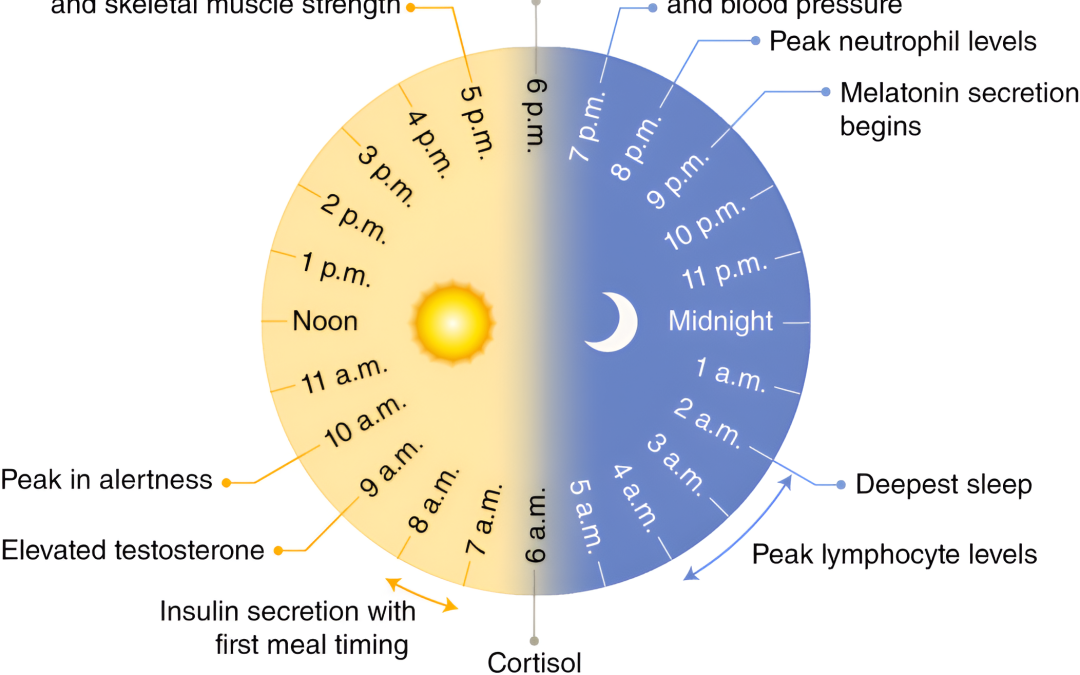
One of the most significant drivers of the current sleep crisis is the ubiquity of electronic screens. The human body relies on the circadian rhythm—an internal 24-hour clock—to regulate the sleep-wake cycle. This rhythm is primarily governed by light exposure. Specifically, the presence of short-wavelength “blue light” tells the brain it is daytime, suppressing the production of melatonin, the hormone responsible for inducing sleep.
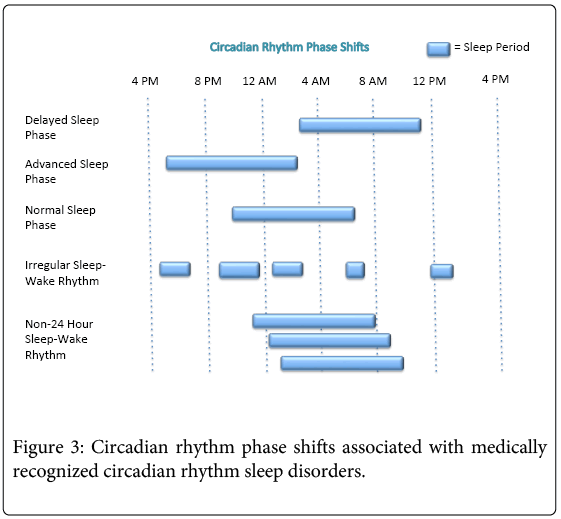
In the modern era, we are bathed in blue light from smartphones, tablets, and laptops well into the night. This creates a state of “social jetlag,” where our biological clocks are permanently out of sync with the solar cycle. Recent longitudinal studies have highlighted the “double-edged sword” of digital engagement, noting that while internet access provides connectivity, it fundamentally reshapes sleep schedules, particularly in older adults and university students as reported in JMIR Aging.
The impact is not just about the amount of sleep, but the quality. When we leverage screens before bed, we don’t just delay the onset of sleep; we disrupt the architecture of sleep itself, often reducing the amount of deep REM (Rapid Eye Movement) sleep. This is the stage of sleep where emotional processing and memory consolidation occur. Without it, we wake up feeling mentally foggy and emotionally volatile, creating a cycle of anxiety that further fuels insomnia.
The Psychological Toll: Anxiety and the ‘Sleep Effort’ Paradox
Beyond the physiological triggers, there is a psychological component to the sleepless society: the paradox of sleep effort. For many suffering from chronic insomnia, the act of trying to sleep becomes a source of anxiety. The bedroom, which should be a sanctuary of relaxation, becomes a place of battle. This “conditioned arousal” means that the moment a person hits the pillow, their brain triggers a stress response—increased heart rate, racing thoughts, and alertness—effectively blocking the very sleep they are desperate to achieve.
This cycle is often exacerbated by the prevalence of mental health disorders. There is a bidirectional relationship between sleep and mental health: anxiety and depression can cause insomnia, and insomnia can worsen symptoms of anxiety and depression. In a world characterized by constant information overload and economic instability, the “cognitive noise” of the day often follows us into the bedroom.
the reliance on pharmacological “quick fixes” can often worsen the problem. While sedative-hypnotics can provide short-term relief, they often alter the sleep architecture and can lead to dependency or “rebound insomnia” once the medication is ceased. The medical community is increasingly shifting toward Cognitive Behavioral Therapy for Insomnia (CBT-I) as the gold-standard first-line treatment, as it addresses the underlying behaviors and thoughts that maintain sleep disturbances.
Key Takeaways for Sleep Health
- Circadian Alignment: Prioritize natural sunlight exposure in the morning and minimize blue light exposure 60 to 90 minutes before bedtime.
- The Consistency Rule: Maintain a regular wake-up time, even on weekends, to stabilize the internal biological clock.
- Environmental Control: Ensure the sleep environment is cool, dark, and quiet; the brain requires a drop in core body temperature to initiate deep sleep.
- Mental Decompression: Implement a “wind-down” routine to transition the brain from the high-alert state of productivity to a state of relaxation.
- Professional Intervention: If sleep disturbances persist for more than three nights a week over three months, seek a clinical evaluation to rule out sleep apnea or chronic insomnia.
The Path Forward: From Awareness to Action
Addressing the crisis of the sleepless society requires more than individual willpower; it requires a cultural shift. We must move away from the glorification of sleep deprivation and toward a recognition of sleep as a fundamental human right and a pillar of public health. This includes rethinking workplace expectations, implementing “right to disconnect” laws to protect personal time from digital intrusion, and integrating sleep hygiene into primary education.
On a clinical level, the integration of wearable technology and AI-driven sleep tracking provides fresh opportunities for early detection. Still, we must be cautious of “orthosomnia”—the obsessive pursuit of a “perfect” sleep score, which can ironically create the very anxiety that prevents sleep. The goal should be restorative rest, not a perfect data point on a smartwatch.
The World Health Organization (WHO) continues to refine its guidelines on health behaviors, with a growing emphasis on the intersection of physical activity, sedentary behavior, and sleep as outlined in the WHO Fourteenth General Programme of Work 2025–2028. By treating sleep as a systemic health priority rather than a luxury, we can begin to reverse the trend of the sleepless society.
The next critical checkpoint for global sleep health will be the ongoing release of the 2026 longitudinal data on the efficacy of blue-light mitigation strategies and the impact of “right to disconnect” legislation across European markets. These findings will likely shape the next decade of public health policy regarding sleep.
Do you struggle with quality rest in a digital world? Share your experiences and the strategies that have worked for you in the comments below.
Keep reading