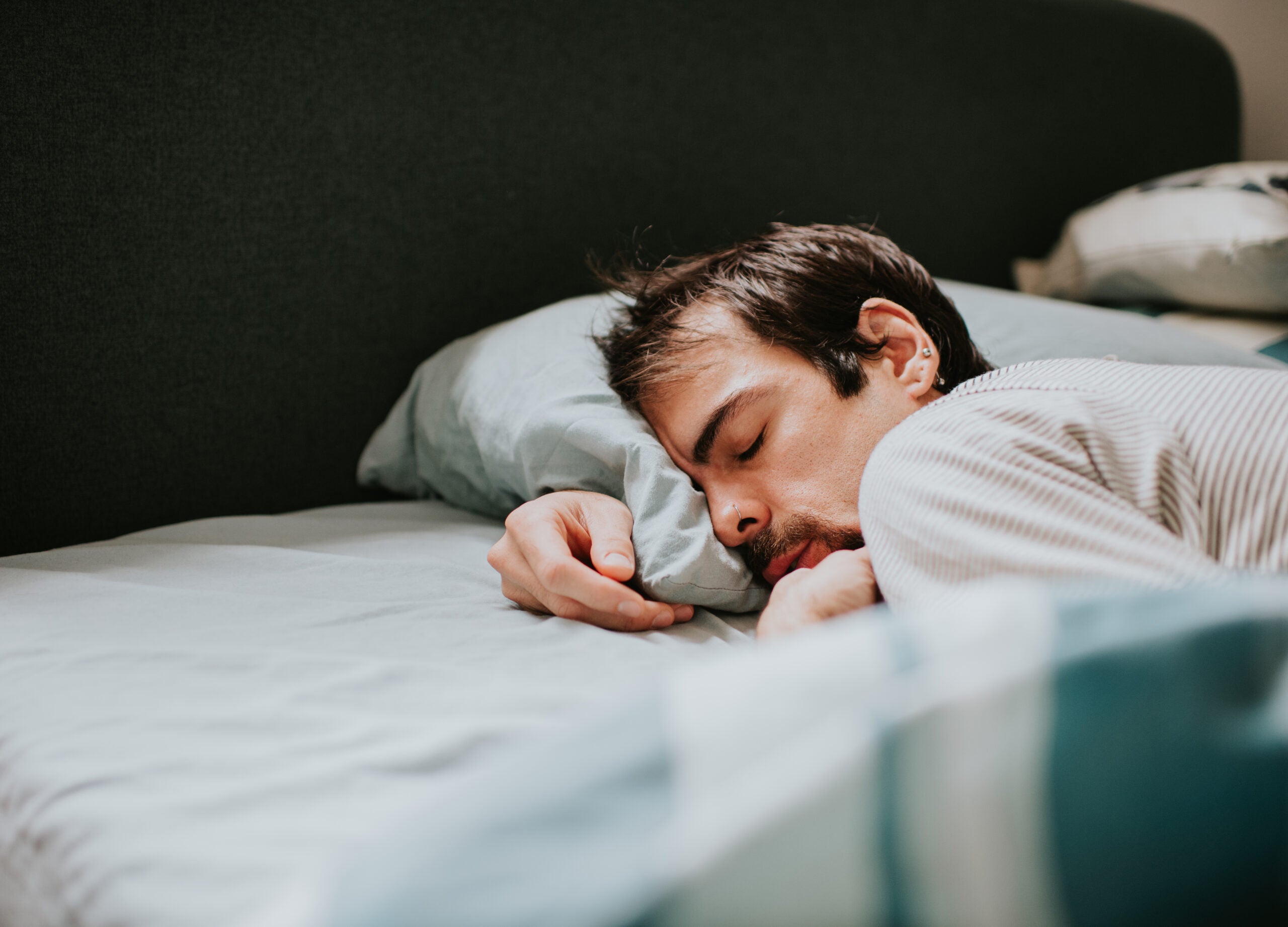
In the relentless pursuit of marginal gains, the modern cyclist is often obsessed with the tangible. We see it in the obsession over aerodynamic helmets, the meticulous weighing of carbon frames, and the precision of power meters that track every single watt. For many, the road to victory is paved with more intervals, steeper climbs, and a “more is more” philosophy that pushes the body to its absolute limit.
However, there is a silent, invisible tool in the performance arsenal that is frequently neglected, despite being entirely free and biologically mandatory. While athletes invest thousands in high-end gear and specialized supplements, they often sacrifice the very process that allows those investments to pay off: sleep. In the high-stakes world of professional cycling, sleep is increasingly viewed not just as a period of inactivity, but as a form of “legal doping”—a potent, natural enhancer that can fundamentally alter a rider’s speed, recovery, and longevity.
The reality is that training does not make a cyclist faster; rather, training breaks the body down, and recovery builds it back up. Sleep is the primary engine of that restoration process. Without adequate rest, the physiological adaptations sought through grueling training sessions—such as increased mitochondrial density and muscle hypertrophy—are stunted. When a rider skimps on sleep, they aren’t just feeling tired; they are actively hindering their body’s ability to evolve into a faster, stronger version of itself.
For the global cycling community, from the WorldTour peloton to the weekend warrior, understanding the intersection of sleep and performance is no longer optional. It is the difference between hitting a plateau and breaking through to a new personal best.
The Biological Engine: Hormones and Muscle Repair
To understand why sleep is critical for performance, one must look at the endocrine system. During deep sleep, the body enters a predominantly anabolic state, meaning it is focused on growth and repair rather than breakdown. The most critical player in this process is the human growth hormone (HGH), which is released in significant quantities by the pituitary gland during the deeper stages of non-rapid eye movement (NREM) sleep.
HGH is essential for the repair and rebuilding of muscle tissues that are damaged during intense rides. When a cyclist lacks sufficient sleep, HGH production is restricted, which directly translates to slower muscle recovery and a diminished ability to grow stronger. This creates a dangerous cycle: the athlete trains hard, fails to recover due to sleep deprivation, and eventually enters a state of overtraining where performance declines and the risk of injury spikes. According to research archived by the National Center for Biotechnology Information (NCBI), sleep plays a pivotal role in regulating these anabolic processes, making it a non-negotiable component of athletic development.
Beyond muscle repair, sleep is the period when the brain “cleanses” itself. The glymphatic system becomes highly active during sleep, flushing out metabolic waste products that accumulate in the brain during wakefulness. For a cyclist, this cognitive cleanup is vital. Racing in a peloton requires split-second decision-making, intense focus, and high-level spatial awareness. A sleep-deprived brain suffers from slowed reaction times and impaired judgment, which can be catastrophic during a high-speed descent or a chaotic sprint finish.
The Hunger Game: Sleep, Weight, and Nutrition
One of the most overlooked aspects of sleep deprivation in cycling is its impact on nutrition and body composition. Many riders focus on “macro-perfect” nutrition protocols, but these plans can be completely undermined by a lack of sleep. This happens because sleep regulates the hormones that control appetite and satiety: ghrelin and leptin.

Ghrelin is the “hunger hormone” that signals the brain when it is time to eat, while leptin is the hormone that tells the body it is full. When sleep is restricted, the body typically experiences a rise in ghrelin levels and a decrease in leptin levels. This hormonal imbalance creates a physiological drive for high-calorie, sugar-rich foods, making it significantly harder for an athlete to stick to a disciplined nutrition plan.
For a cyclist, where the power-to-weight ratio is a primary determinant of success, What we have is a critical issue. Increased cravings and poor food choices lead to unwanted weight gain and fluctuations in energy levels. Instead of fueling the muscles with complex carbohydrates and lean proteins, a sleep-deprived rider is more likely to rely on simple sugars for quick energy, leading to the dreaded “bonk” during long rides. By prioritizing sleep, cyclists can stabilize these hormones, making nutritional discipline an effortless byproduct of a rested system rather than a constant mental struggle.
WorldTour Protocols: How the Pros Sleep
In the professional ranks, the approach to sleep has shifted from a passive necessity to a managed metric. WorldTour teams now treat sleep with the same rigor they apply to wattage and aerodynamics. Richard Lawrence, a medic for EF Education-EasyPost, has highlighted that sleep is one of the most overlooked parts of the recovery process. In the professional environment, the goal is to turn sleep into an “easy win”—a guaranteed gain that requires no physical suffering, only discipline.
The logistics of professional cycling—constant travel, hotel stays, and erratic schedules—make consistent sleep a challenge. To combat this, some of the world’s top teams have implemented extreme measures to ensure sleep quality. This includes the use of high-end smart mattresses that can regulate temperature to optimize deep sleep cycles and the installation of full, familiar bedroom setups in hotel suites to minimize the “first-night effect,” where the brain remains more alert in an unfamiliar environment.
sleep tracking has become standard. Using wearable technology to monitor Heart Rate Variability (HRV) and sleep stages allows coaches to adjust training loads in real-time. If a rider’s data shows a significant drop in deep sleep or a suppressed HRV, the coach may pivot a high-intensity session to a recovery ride. This data-driven approach prevents overtraining and ensures that the athlete is only pushed when their body is physiologically prepared to absorb the stress of the workout.
Practical Sleep Hygiene for Every Cyclist
While most amateur cyclists cannot afford a five-thousand-dollar smart mattress or a full-time team medic, the principles of sleep hygiene remain the same. Maximizing the recovery window requires a combination of consistency, environment, and timing.

- Consistency is King: The internal circadian clock thrives on predictability. Going to bed and waking up at the same time every day—even on weekends—stabilizes the sleep-wake cycle and makes it easier to fall asleep and wake up feeling refreshed.
- The Temperature Trigger: The body needs its core temperature to drop slightly to initiate sleep. Keeping the bedroom cool (typically around 18°C or 65°F) and taking a warm shower before bed can help trigger this cooling process.
- Digital Detox: The blue light emitted by smartphones and tablets suppresses the production of melatonin, the hormone responsible for sleep. Implementing a “no-screen” rule 60 minutes before bed allows the brain to transition naturally into sleep mode.
- Caffeine Calibration: Caffeine has a half-life of several hours, meaning a coffee consumed in the late afternoon can still be blocking adenosine receptors in the brain at bedtime. Professional riders often implement a strict caffeine cutoff time to ensure their sleep architecture isn’t disrupted.
- Post-Ride Nutrition: Consuming a mix of protein and carbohydrates shortly after a ride not only aids muscle repair but can also improve sleep quality by stabilizing blood sugar levels throughout the night.
The Long-Term Impact: Longevity and Mental Health
Beyond the immediate gains in power and speed, sleep is the ultimate insurance policy for an athlete’s career. Chronic sleep deprivation is closely linked to a weakened immune system. For a cyclist, a week of illness during a peak training block can set back months of progress. Sleep acts as a shield, enhancing the production of cytokines—proteins that help the immune system respond to threats.
There is also a profound psychological component. Cycling is as much a mental game as a physical one. The ability to suffer through the “pain cave” during a climb requires mental resilience and cognitive fortitude. Sleep deprivation erodes this mental strength, making perceived exertion feel higher and reducing the athlete’s willingness to push through discomfort. When well-rested, the mind is more resilient, the mood is more stable, and the drive to compete is more sustainable.
The transition toward a recovery-centric model of training represents a maturation of the sport. For decades, the culture of cycling glorified the “suffering” and the “grind.” While hard work remains essential, the modern era recognizes that the most productive thing an athlete can do for their performance is sometimes to simply go to bed.
As sports science continues to evolve, we can expect to see even more integration of sleep data into training platforms. The future of cycling performance isn’t just about who can push the hardest on the road, but who can recover the most efficiently off it. By treating sleep as a primary training tool rather than a luxury, cyclists can unlock levels of performance that no amount of extra mileage could ever provide.
The next major evolution in athletic performance tracking is expected to focus on the integration of AI-driven sleep optimization, where wearable data will automatically adjust the following day’s training intensity based on the quality of the previous night’s REM and deep sleep cycles.
Do you prioritize your sleep as much as your training? Share your recovery routines in the comments below or share this article with a teammate who needs to stop staying up late.
Worth a look