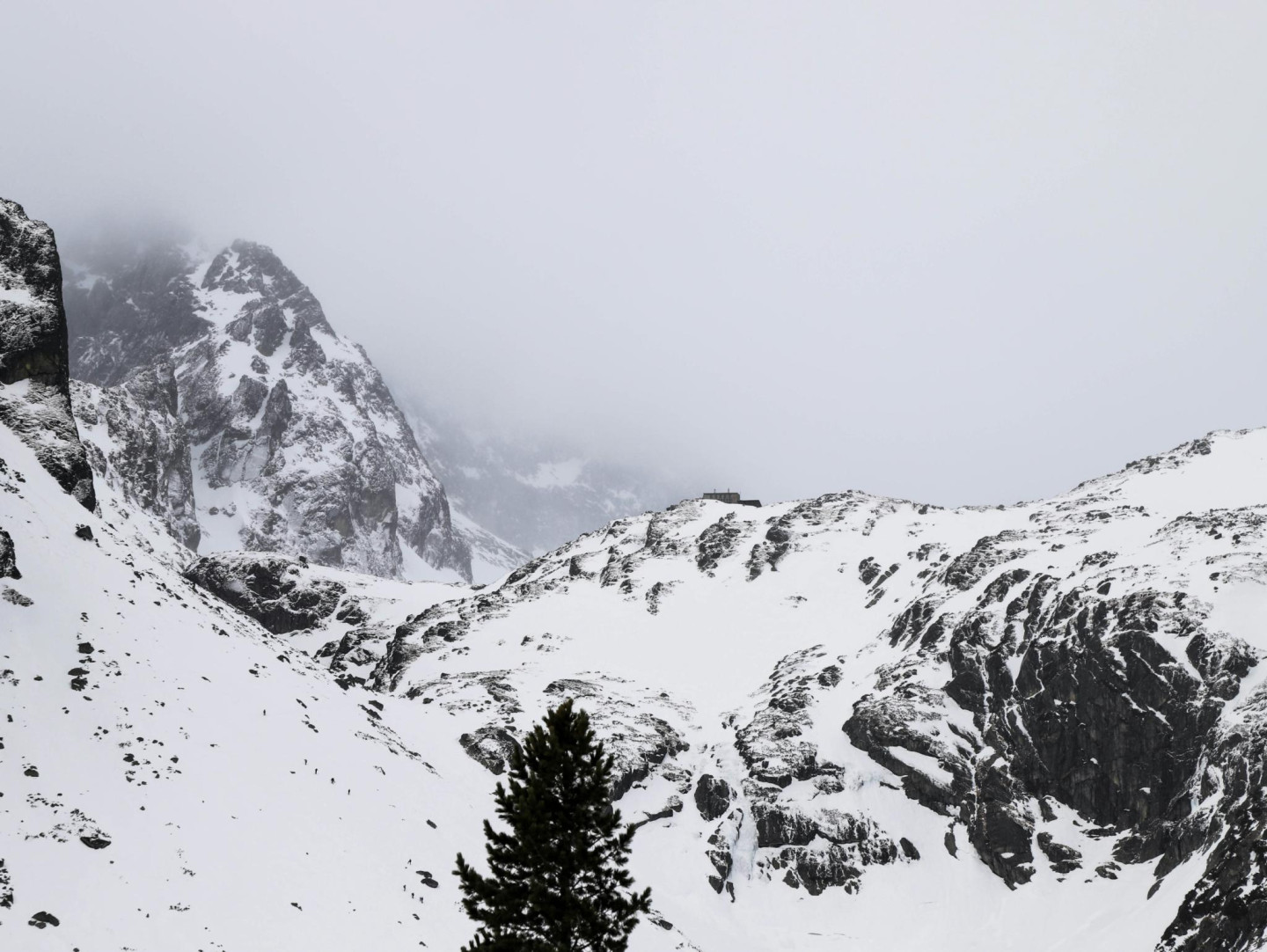
Two Polish freeride skiers have died in an avalanche in Slovakia’s High Tatras mountains, authorities confirmed on February 27, 2026. Among the victims is Ali Olszański, a well-known extreme snowboarder and a prominent figure in the world of mountain sports. The incident underscores the inherent dangers of off-piste skiing and snowboarding, even for experienced adventurers, and has prompted renewed calls for caution and preparedness in the mountains.
The avalanche occurred on a steep slope beneath Nižna Popradská Štrbina pass on Poprad Mountain, a popular but challenging area for winter sports enthusiasts. According to reports from the Slovak Mountain Rescue Service, Polish witnesses alerted authorities to the fact that two men were buried by the snow. Tragically, neither the skiers nor those with them were carrying avalanche transceivers – crucial safety equipment that transmits and receives signals on a 457 kHz frequency, enabling the location of individuals buried in snow. This lack of essential safety gear significantly hampered initial rescue efforts and contributed to the fatal outcome.
Rescue Efforts and the Role of Czech Mountaineers
Within minutes of the initial report, a group of five Czech ski mountaineers, equipped with transceivers and shovels, initiated a search operation. Their swift response proved vital, as they were able to locate one of the buried skiers. Despite immediate first aid attempts, the individual succumbed to the severity of their injuries. The Slovak Mountain Rescue Service subsequently deployed a helicopter with a team and a search dog, which located the body of the second skier. The rapid mobilization of both Slovak and Czech rescue teams highlights the collaborative spirit of mountain rescue operations in the region.
Ali Olszański, 33, was celebrated for his daring descents in the Tatras, the Alps, and the Himalayas. His death represents a significant loss to the extreme sports community. TVP World reports that both men were experienced winter sports enthusiasts, according to the Polish mountain news portal, Tatromaniak. This underscores the unpredictable nature of avalanches, which can strike even those with extensive knowledge, and skill.
Avalanche Safety and the Importance of Transceivers
Avalanche transceivers, shovels, and probes are considered essential equipment for anyone venturing into backcountry or off-piste terrain. Transceivers emit a signal that allows rescuers to pinpoint the location of buried individuals. Shovels are necessary for quickly excavating the snow, and probes are used to confirm the depth and location of the buried person. The absence of these tools in this incident significantly reduced the chances of survival. The 457 kHz frequency is the standard for avalanche transceivers, ensuring compatibility between different brands and models.
The European Avalanche Warning Services (EAWS) provide regular avalanche risk assessments for mountainous regions across Europe, including the High Tatras. These assessments are based on factors such as snowpack stability, weather conditions, and terrain. Skiers and snowboarders are strongly advised to consult these reports before venturing into the backcountry and to adjust their plans accordingly. Understanding avalanche terrain and recognizing warning signs, such as recent avalanche activity, cracking snow, and unstable slopes, are also crucial for safe backcountry travel.
Recent Avalanche Activity in the High Tatras
The High Tatras have experienced a period of increased avalanche risk in recent weeks due to significant snowfall and fluctuating temperatures. Warmer temperatures can destabilize the snowpack, increasing the likelihood of avalanches. The Slovak Hydrometeorological Institute (SHMI) issues daily avalanche warnings, providing information on the current risk level and affected areas. These warnings are available on the SHMI website and through various mobile apps.
The Victims and Their Legacy
Even as the identity of the second victim has not been widely released, authorities have confirmed that he was a Polish national and an experienced skier. Ali Olszański, a highly respected figure in the snowboarding world, leaves behind a legacy of pushing boundaries and inspiring others. He was known for his innovative riding style and his commitment to exploring challenging terrain. His loss is deeply felt by the global snowboarding community. Olszański’s social media accounts often showcased his breathtaking descents and his passion for the mountains, attracting a large following of admirers.
The incident has sparked a renewed debate about avalanche safety and the responsibility of individuals to carry and know how to employ appropriate safety equipment. Mountain rescue organizations are urging skiers and snowboarders to prioritize safety and to make informed decisions when venturing into the backcountry. Training courses on avalanche safety are widely available and provide valuable knowledge and skills for navigating avalanche terrain.
Slovak Mountain Rescue Service Recommendations
The Slovak Mountain Rescue Service (Horská záchranná služba) offers the following recommendations for safe backcountry travel:
- Check the avalanche forecast: Consult the SHMI avalanche report before heading out.
- Carry avalanche safety equipment: Transceiver, shovel, and probe are essential.
- Know how to use your equipment: Practice regularly with your transceiver and shovel.
- Travel with a partner: Never ski or snowboard alone in the backcountry.
- Be aware of your surroundings: Recognize avalanche terrain and warning signs.
- Make conservative decisions: If in doubt, turn back.
The investigation into the avalanche is ongoing, and authorities are working to determine the exact circumstances that led to the tragedy. The Slovak Mountain Rescue Service is committed to preventing future incidents and to ensuring the safety of those who enjoy the mountains. The incident serves as a stark reminder of the power of nature and the importance of respecting the risks associated with winter sports in mountainous terrain.
Further updates on the investigation and avalanche conditions in the High Tatras will be provided by the Slovak Hydrometeorological Institute and the Slovak Mountain Rescue Service. Individuals planning to travel to the region are encouraged to stay informed and to prioritize safety.
We encourage readers to share their thoughts and experiences in the comments section below. Your insights and perspectives are valuable as we learn from this tragic event and function to promote safer mountain travel.
Worth a look