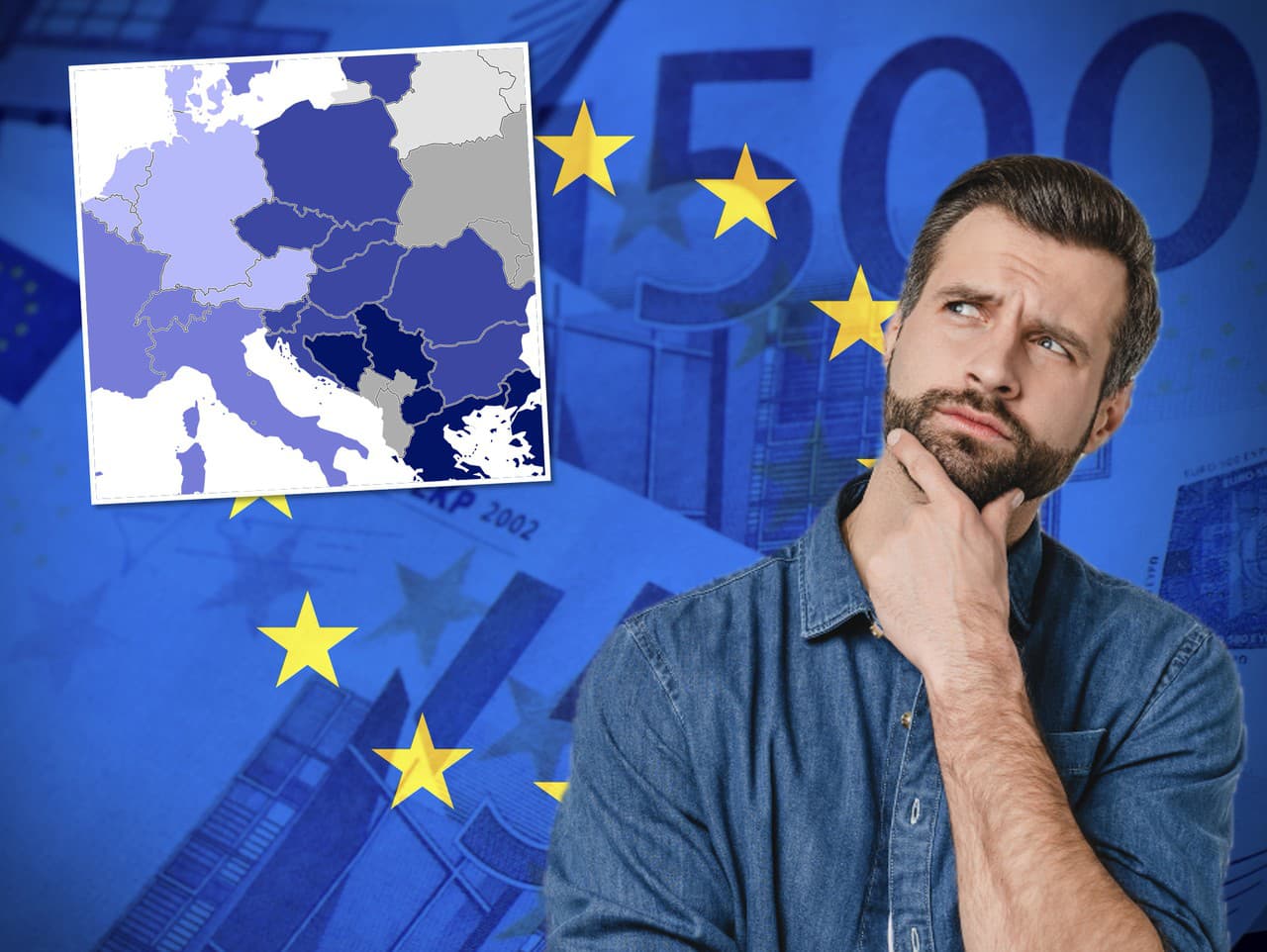
When we discuss the pulse of the European economy, we often focus on GDP growth, inflation rates, or industrial output. Yet, there is a more human metric that frequently escapes the headlines: the actual time spent by citizens at their workstations. Recent data from Eurostat, the statistical office of the European Union, has shed light on a striking disparity in labor patterns across the continent. While the narrative of “work-life balance” dominates much of the discourse in Western Europe, the reality for workers in Central and Eastern Europe—particularly in Slovakia—tells a story of significantly longer working hours.
According to the latest Eurostat analysis of average weekly working hours for individuals aged 20 to 64, the trend is clear: Slovak employees are among those putting in the most time on the job across the entire European Union. This phenomenon of longer working weeks in Slovakia compared to counterparts in Germany or the Netherlands raises important questions about labor productivity, economic structure, and the evolving nature of the European labor market.
Understanding the Data: The European Working Landscape
The Eurostat figures provide a nuanced look at the average number of hours worked per week in the main job. Across the EU, the average for full-time employees often hovers around 38 to 40 hours, but when part-time workers are factored into the national averages, the differences between member states become pronounced. Slovakia consistently ranks toward the higher end of this spectrum, frequently reporting figures that exceed the EU average. This stands in stark contrast to countries like the Netherlands, where a high prevalence of part-time employment contributes to a lower average number of hours per worker, and Germany, which has long prioritized structured, shorter work weeks within its manufacturing and service sectors.
The variance is not merely a matter of culture; it is deeply rooted in economic composition. As noted in OECD labor market reports, economies with a higher concentration of industrial and manufacturing sectors often require longer physical presence at the workplace compared to service-oriented or knowledge-based economies. In Slovakia, the automotive industry remains a significant pillar of the national economy, influencing the scheduling and shift structures that define the working lives of a large portion of the population.
Why Geography Dictates the Clock
It is tempting to view these numbers through a singular lens of “hard work,” but the reality is more complex. The disparity between Slovakia and nations like Austria or the Netherlands is often a reflection of systemic economic differences. In many Western European nations, the labor market has shifted significantly toward flexible arrangements, remote work, and a robust support system for part-time employment, which is often viewed as a tool for increasing labor force participation among parents and caregivers.
.png "Slovaks Work More Hours Than European Union")
Conversely, in the Central European context, the transition toward such flexible models is ongoing. The “hard reality” in Brussels, as reflected in the statistical data, is that the economic convergence of the European Union is still a work in progress. While wages and standards of living have risen, the structural demand for labor remains tethered to traditional, longer-hour models. This is further supported by International Labour Organization (ILO) data, which highlights that working time is a critical factor in determining the quality of life, yet it remains heavily influenced by national labor legislation and the prevailing economic model of each state.
The Impact on the Workforce and Future Trends
What does this mean for the average worker? Longer hours do not inherently equate to higher productivity. In fact, many economists argue that there is a “diminishing returns” threshold beyond which additional hours lead to fatigue, reduced focus, and lower overall efficiency. As the European Union continues to push for a unified labor market, the conversation is increasingly shifting toward how to maintain competitiveness without placing an undue burden on the health and well-being of the workforce.
For Slovakia, the challenge lies in modernizing the labor market to align with European trends without sacrificing the industrial output that drives the national economy. We are seeing a slow but steady increase in the demand for remote work and flexible scheduling, particularly among younger generations who prioritize work-life balance as much as salary. Official updates regarding these shifts can be monitored through the Ministry of Labour, Social Affairs and Family of the Slovak Republic, which periodically reviews labor regulations and employment policies.
Key Takeaways on European Working Hours
- Structural Disparity: Countries with heavy industrial bases, like Slovakia, naturally show higher average weekly hours than service-heavy economies like the Netherlands.
- Part-time Influence: The prevalence of part-time work in Western Europe significantly lowers national averages, a trend less pronounced in the Slovak labor market.
- Productivity vs. Time: Experts emphasize that the number of hours worked is not a direct proxy for economic productivity or innovation.
- Policy Evolution: European Union labor directives continue to influence national policies, aiming for a balance between economic performance and employee well-being.
Looking Ahead: The Brussels Perspective
The European Commission continues to monitor these trends as part of its broader assessment of social and economic cohesion. While there is no “one-size-fits-all” mandate for working hours, the data serves as a vital indicator for policymakers to ensure that labor laws evolve in step with the modern economy. The next major update from Eurostat regarding labor market participation and working hours is expected in the coming fiscal quarter, providing a fresh snapshot of how these trends are shifting in response to new economic pressures.

As we navigate these changes, the conversation around the value of time—both in the office and at home—will remain a cornerstone of European social policy. What are your thoughts on these trends? Do you see a shift in your own country toward shorter, more flexible working weeks, or does the traditional model still hold sway? Share your perspective in the comments below, and stay tuned to World Today Journal for further analysis on the factors shaping our global economy.
Keep reading