
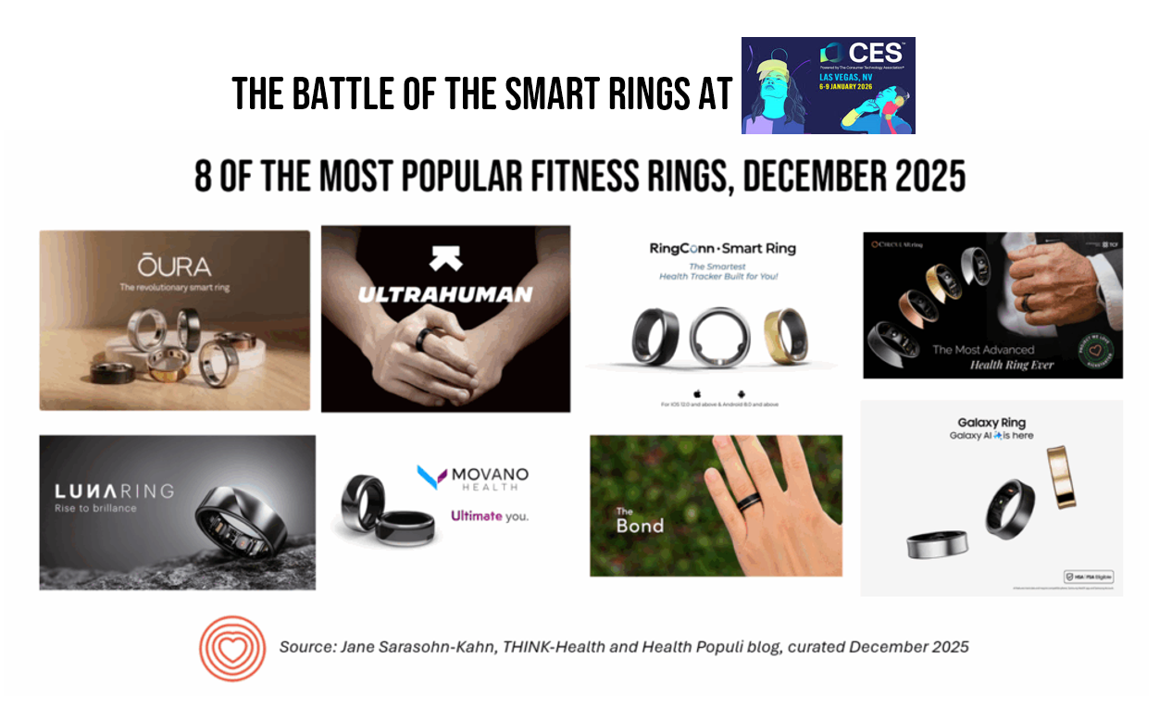
The rise of Smart Rings: A New Frontier in Wearable Health Technology
The consumer technology landscape is rapidly evolving, and wearable tech is at the forefront of this change. Recent research highlights a significant shift beyond the traditional smartwatch, with consumers increasingly adopting multiple wearable devices tailored to specific needs. This diversification is particularly evident in the growing popularity of smart rings.
Wearable Tech: Beyond the Wrist
For years, smartwatches dominated the wearable market.Though, the category is expanding to include innovative devices like VR/AR headsets, smart glasses, and, notably, smart rings and wristband activity trackers. These devices offer unique functionalities and form factors, appealing to a broader range of consumer preferences.
Smart Rings: Emerging as a Key Player
Currently, smart rings represent a less mature segment of the wearable tech market, yet their growth is extraordinary.As of 2025, approximately 12% of U.S. households – around 15 million – own a smart ring, representing an installed base of 26.1 million devices.
This growth is fueled by a leading brand,Oura,which is gaining significant traction and industry recognition.The company’s influence is underscored by its CEO, Tom hale, being selected as a keynote speaker at a major industry event in 2026.
Investment and Valuation: A Sign of Confidence
Oura’s recent success is reflected in its substantial funding.The company recently secured over $900 million in funding, achieving a valuation of $11 billion. For context,Fitbit was valued at approximately $10 billion following its 2015 IPO,demonstrating the growing investor confidence in the wearable health tech space.
A Growing Health Device Ecosystem
Smart rings aren’t operating in isolation. They are becoming integral components of a larger, interconnected health device ecosystem.This ecosystem encompasses a wide range of technologies designed to monitor and improve your health and well-being.
[Image of Omdia growing health device ecosystem]
The Future of Wearable Health: Interoperability and Trust
Looking ahead, the interplay between smart rings, smartwatches, smartphones, and othre devices will be crucial. To truly unlock the potential of this technology, several key factors must be addressed:
* Standardization: Developing common standards will ensure seamless data exchange between devices.
* user-Centered Design: Prioritizing user experience will drive adoption and engagement.
* Privacy and Security: Implementing robust privacy and security measures – including “privacy-by-design” and “security-by-design” principles – is paramount, especially for healthcare applications.
Ultimately, the goal is to create an ecosystem where clinically-validated data flows securely and intelligently, empowering you to take control of your personal health. This will require a focus on fairness, equity, and smart algorithms that provide actionable insights.
Stay tuned for further updates on wearable tech and health innovations at upcoming industry events.The future of personal health management is being shaped now, and smart rings are poised to play a significant role.

![Venezuela & US Relations: News, Updates & Analysis [Year]](https://i0.wp.com/platform.vox.com/wp-content/uploads/sites/2/2026/01/gettyimages-2253880157.jpg?resize=150%2C150&ssl=1 "Venezuela & US Relations: News, Updates & Analysis [Year]")



![]Are You Sleeping Like a Jellyfish? Understanding and Improving Sleep Quality](https://i0.wp.com/www.pieuvre.ca/wp-content/uploads/2026/01/meduse-marat-gilyadzinov-MYadhrkenNg-unsplash-scaled.jpg?resize=150%2C100&ssl=1 "]Are You Sleeping Like a Jellyfish? Understanding and Improving Sleep Quality")