
LONDON — May 26, 2026
The global smartphone market is facing its most significant price shock in years, with industry leaders warning that memory chip costs could push flagship models beyond $1,470 by the end of 2026—marking a turning point for consumers accustomed to annual upgrades. Xiaomi, the world’s third-largest smartphone vendor, has become the first major brand to publicly sound the alarm, urging buyers to act before prices climb further. “The cost of memory chips is expected to continue increasing for at least the next two years,” Xiaomi CEO Lei Jun told reporters during the launch of the Xiaomi 17 Max in May, adding that the trend threatens to reshape the entire industry.
Behind the warning lies a perfect storm: soaring demand for artificial intelligence chips, supply chain disruptions at TSMC—the world’s largest semiconductor manufacturer—and a prolonged shortage of high-bandwidth memory (HBM) critical for next-generation smartphones. While Xiaomi has pledged to absorb some of the cost increases through internal optimizations, industry analysts suggest other brands may follow suit, potentially triggering a wave of price hikes across mid-range and premium segments.
For consumers, the implications are stark. Those who upgrade annually may face a choice between paying significantly more for new devices or extending the lifespan of older models. “Users who regularly upgrade their phones every year may want to consider buying sooner rather than later,” Lei Jun advised, acknowledging that the pressure on component costs is unlikely to ease in the short term.
Xiaomi CEO Lei Jun discusses memory cost pressures during the May 2026 launch event in Vienna.
Why This Matters: The Forces Driving Smartphone Price Inflation
Three interconnected factors are fueling the price surge:
- Memory Chip Shortages: High-bandwidth memory (HBM) prices have risen sharply due to AI-driven demand, with no immediate relief in sight. Xiaomi’s Lu Weibing, president of the group, predicted the current cycle of increases could extend into 2028.
- Supply Chain Strain: TSMC, which produces over 90% of the world’s advanced semiconductors, faces capacity constraints as it prioritizes AI chip orders over consumer electronics. This has forced smartphone manufacturers to compete for limited supplies.
- Premium Segment Expansion: Flagship models from Chinese brands are now targeting the $1,000+ market, with Lu Weibing stating that several could officially exceed 10,000 yuan (~$1,470) by year-end. This trend risks trickling down to mid-range devices.
Xiaomi’s Strategic Response: Can They Hold the Line?
Unlike competitors that may pass costs directly to consumers, Xiaomi is taking a two-pronged approach: supply chain efficiency improvements and internal technological optimizations. “We are trying to reduce the impact on customers,” Lei Jun stated, though he acknowledged that sustaining price stability will become increasingly difficult if memory costs continue their upward trajectory.

Industry observers note that Xiaomi’s move to warn consumers early may be a strategic play to maintain loyalty amid rising prices. By urging upgrades now, the company positions itself as transparent while potentially preempting a backlash over future price hikes. However, the long-term sustainability of this approach remains uncertain, particularly if competitors follow suit.
“The cost of memory chips is expected to continue increasing for at least the next two years.”
The Global Impact: Who Gets Hit Hardest?
The price surge will disproportionately affect three groups:
- Budget Buyers: Mid-range smartphones (typically $300–$600) may see the steepest percentage increases as manufacturers seek to offset rising component costs. Xiaomi’s Redmi series, a staple for price-sensitive markets, could face upward pressure.
- Annual Upgraders: Consumers who replace devices every 12–18 months may find themselves paying 10–20% more for comparable hardware, eroding the value proposition of frequent upgrades.
- Emerging Markets: Regions like India, Southeast Asia, and Latin America—where Xiaomi dominates—could see accelerated price hikes due to weaker currency exchange rates against the U.S. Dollar, where memory chips are priced.
For context, Xiaomi’s revenue in 2024 reached CN¥365.9 billion (~$51 billion), with 754.1 million monthly active users globally. The company’s ability to absorb cost increases without alienating its vast user base will be a critical test of its long-term strategy.
What Happens Next: Key Checkpoints
Several developments will shape the trajectory of smartphone pricing in the coming months:
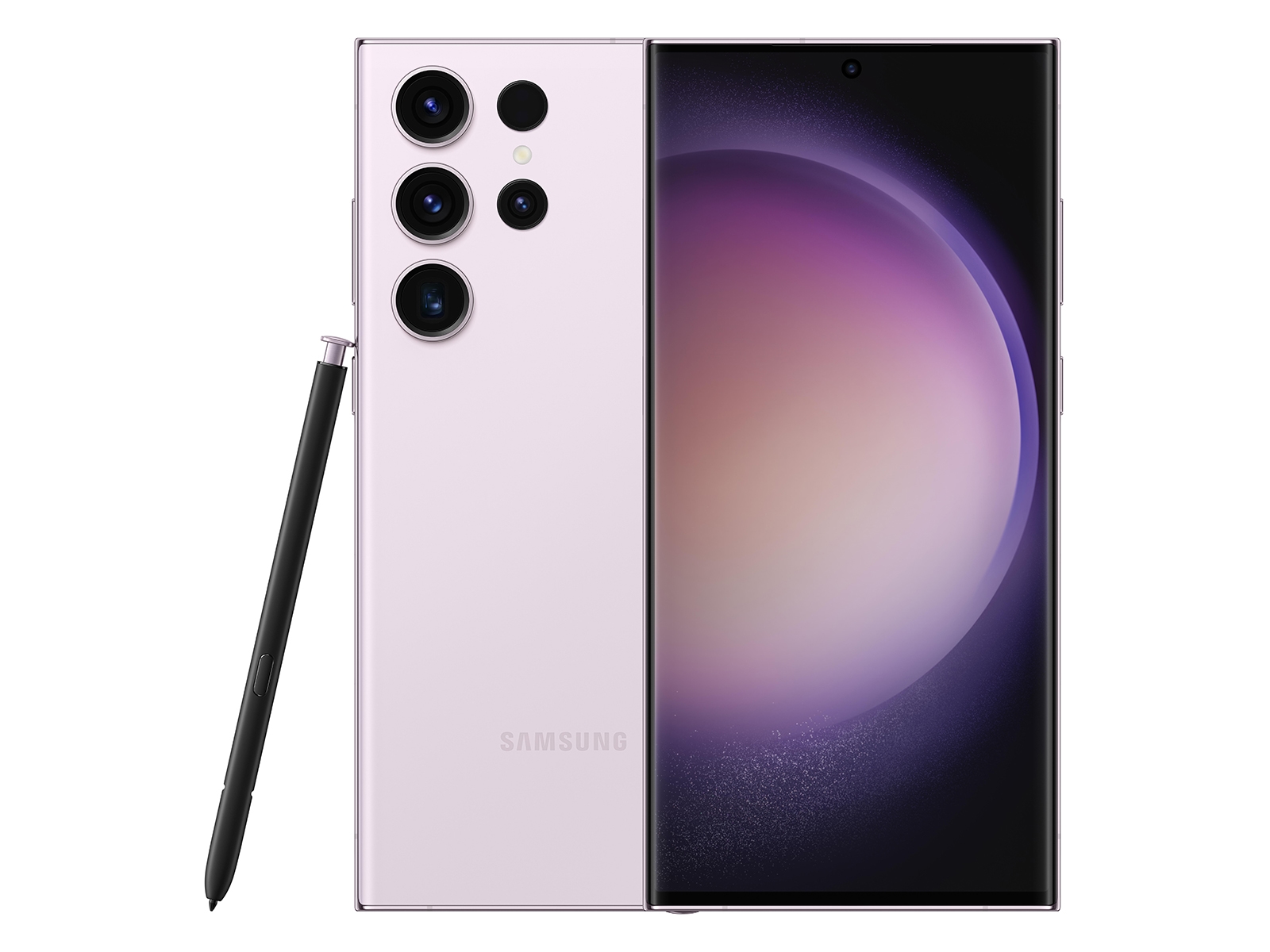
- June 2026: Xiaomi’s next major product launch (expected in Vienna on May 28) will provide early clues about pricing adjustments for the Xiaomi 17 series and potential Redmi model updates.
- Q3 2026: TSMC’s capacity expansion plans for HBM production will be closely watched, as any delays could prolong supply constraints.
- Year-End 2026: Analysts predict premium Chinese brands will officially cross the $1,470 threshold, with potential ripple effects on global pricing tiers.
In the meantime, consumers are advised to monitor official announcements from manufacturers and industry reports on memory chip availability. For those considering upgrades, comparing current models against upcoming releases may offer temporary cost relief.
How will you adapt to rising smartphone prices? Share your thoughts in the comments below—or tag @WorldTodayJrnl to join the conversation. For real-time updates on this story, bookmark our Technology Business Hub.
Keep reading
- Wings Of Desire slam music industry after traveling with baby to festival stage that didn’t exist
- S&P 500 Analysis: Why the Index Is Set for Further Growth and New Targets
- Why Your Phone's Battery Still Drains When It's Completely Off (daybreakwire.com)
- Crude Oil Prices Plunge Over 5 Percent Amid US-Iran Diplomacy and Middle East Tensions (world-today-news.com)