
As the geopolitical landscape in Eastern Europe remains volatile, the Russian Foreign Ministry has issued a stark warning to foreign nationals currently in Kyiv, urging them to leave the Ukrainian capital “as soon as possible” amid escalating security concerns. This advisory, delivered on Tuesday, May 26, 2026, reflects growing tensions in the region, where diplomatic efforts to de-escalate the conflict between Russia and Ukraine continue to face significant hurdles. While the Kremlin has not provided specific details about the immediate threats, officials have emphasized that the situation could deteriorate rapidly, placing foreign citizens at heightened risk.
The warning comes at a time when international observers are closely monitoring developments in Ukraine, particularly following recent military engagements and shifts in territorial control. According to verified reports from multiple diplomatic sources, the Russian Foreign Ministry has not issued a formal evacuation order but has instead framed the advisory as a precautionary measure. This distinction is critical, as it suggests that while the Kremlin is advising against travel to Kyiv, We see not yet mandating the departure of foreign nationals already present in the city.
For foreign citizens currently in Ukraine, the advisory raises urgent questions about safety protocols, evacuation routes, and the availability of consular support. Diplomatic missions from several countries, including the United States, United Kingdom, and European Union member states, have already begun contacting their nationals in the region to provide updated guidance. Meanwhile, Ukrainian authorities have not issued a reciprocal advisory, though they have reiterated calls for civilians to remain vigilant and follow local security advisories.
Why the Warning Matters: A Breakdown of the Geopolitical Context
The Russian Foreign Ministry’s advisory is not an isolated incident but rather part of a broader pattern of escalating rhetoric and military posturing in the region. Over the past year, tensions have flared repeatedly, particularly along the frontlines in eastern Ukraine, where both sides have accused each other of violating ceasefire agreements. The most recent spike in hostilities occurred in early May 2026, when skirmishes near the city of Kharkiv resulted in casualties on both sides, prompting the United Nations to call for an emergency session of the Security Council to discuss the situation.
Analysts suggest that the advisory may also be influenced by internal political dynamics within Russia, where President Vladimir Putin faces mounting pressure to demonstrate strength amid economic challenges and domestic unrest. By issuing a warning to foreign nationals, the Kremlin can signal resolve without directly engaging in military action, a tactic that has been employed in previous crises. However, the lack of concrete evidence linking the advisory to an immediate military threat has left diplomats and analysts divided over its true intent.
Key Takeaways:
- The Russian Foreign Ministry has advised foreign nationals in Kyiv to leave “as soon as possible,” though no formal evacuation order has been issued.
- The warning follows a period of heightened military activity in eastern Ukraine, including recent clashes near Kharkiv.
- Diplomatic missions from Western countries are contacting their citizens in Ukraine to provide updated safety guidance.
- The advisory may reflect broader geopolitical maneuvers rather than an immediate, specific threat.
- Ukrainian authorities have not issued a reciprocal warning but urge civilians to remain vigilant.
Who Is Affected and What Should They Do?
The advisory primarily impacts foreign nationals currently residing in or visiting Kyiv, though its implications extend to those in other parts of Ukraine as well. According to data from the United Nations High Commissioner for Refugees (UNHCR), You’ll see approximately 1.2 million foreign citizens registered in Ukraine as of early 2026, though the actual number may be higher due to undocumented residents and short-term visitors. The warning does not distinguish between long-term residents and tourists, meaning all foreign nationals in the capital are advised to reassess their plans.
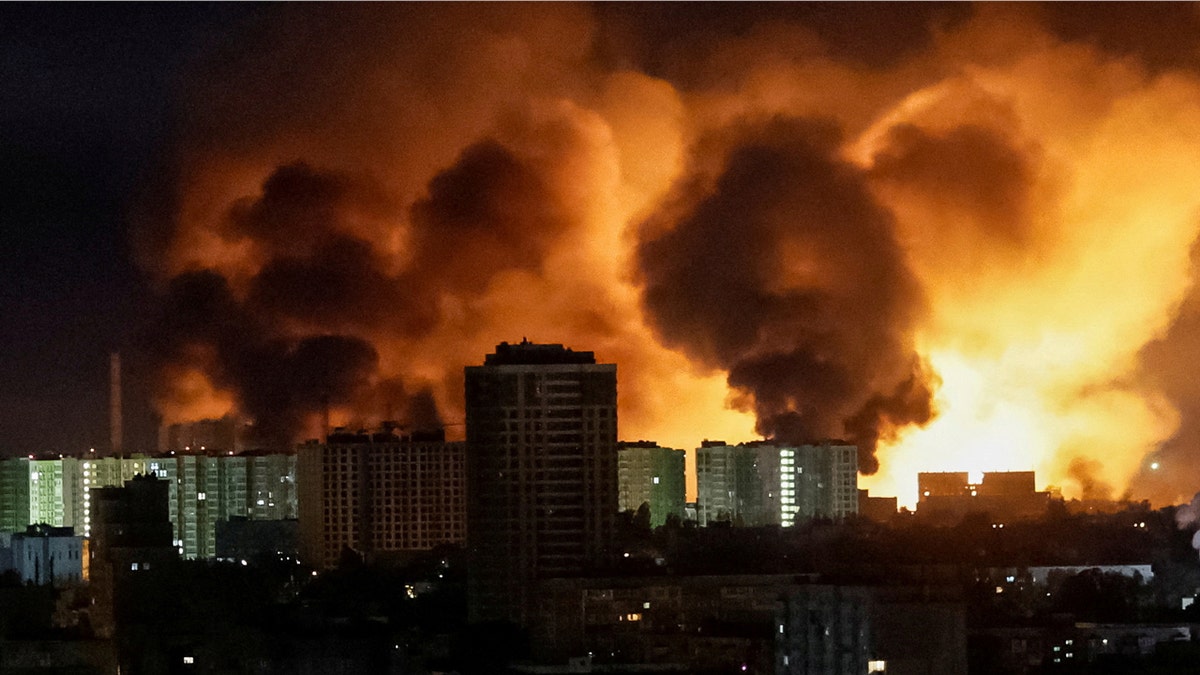
For those considering departure, several practical steps are recommended:
- Contact your embassy or consulate: Most diplomatic missions have established hotlines and email addresses for citizens in Ukraine. For example, the U.S. Embassy in Kyiv can be reached via their official website, while the UK Foreign Office provides updates at this link.
- Prepare necessary documentation: Ensure passports, visas, and other travel documents are up to date. Some countries may require proof of onward travel or financial means to exit Ukraine.
- Monitor local news and official advisories: Ukrainian authorities and international organizations, such as the International Committee of the Red Cross (ICRC), provide regular updates on security situations. The ICRC’s Ukraine page can be found here.
- Consider alternative routes: Land borders with neighboring countries, such as Poland and Slovakia, remain open but may experience delays due to increased security checks.
It is also worth noting that the advisory does not apply to Ukrainian citizens or those with permanent residency status in Ukraine. However, given the fluid nature of the situation, even these groups are advised to stay informed and prepared for potential disruptions.
What Happens Next: The Road Ahead
The immediate focus for foreign nationals in Kyiv will be on securing safe passage out of the city. However, the long-term implications of the Russian advisory extend beyond individual safety concerns. Diplomatically, the warning could signal a shift in Russia’s approach to the conflict, potentially leading to further restrictions on foreign travel or increased military activity. International observers will be watching closely to see whether the advisory is followed by concrete actions, such as troop movements or diplomatic expulsions.
In the coming days, several key developments are likely:
- Consular evacuations: Countries with citizens in Ukraine may begin organized evacuations, similar to those seen in previous crises. The U.S. Has already activated its emergency response protocols for high-risk areas.
- UN Security Council discussions: The recent clashes in Kharkiv have already prompted calls for a Security Council meeting. If tensions escalate further, additional sessions may be scheduled to address the situation.
- Humanitarian aid corridors: Organizations like the ICRC and UNHCR may expand efforts to establish safe passage routes for civilians, including foreign nationals, who wish to leave Ukraine.
- Economic and travel restrictions: Some countries may impose additional travel advisories or economic sanctions in response to the advisory, though these measures would likely be coordinated through international bodies like the EU or NATO.
The next confirmed checkpoint for updates will be the scheduled meeting of the UN Security Council, which is expected to convene no later than May 28, 2026, to discuss the latest developments in Ukraine. This meeting will provide further clarity on the international community’s response to the Russian advisory and any potential escalation in the region.
Final Thoughts: Stay Informed, Stay Safe
For foreign nationals in Ukraine, the Russian Foreign Ministry’s advisory serves as a sobering reminder of the unpredictable nature of geopolitical conflicts. While the warning does not necessarily indicate an imminent military operation, it underscores the importance of remaining vigilant and prepared. Those in Kyiv are strongly encouraged to follow the guidance of their respective embassies and monitor official channels for real-time updates.
As the situation evolves, World Today Journal will continue to provide verified updates and practical advice for those affected. In the meantime, we urge readers to share their experiences or concerns in the comments below, and to follow our coverage for the latest developments.
- Karnataka Cabinet Reshuffle: 16 Congress MLAs Clash With Leadership as N.A. Harris Misses Out
- Senior Category Buyer: Salvare Salvato (Peoria, IL & Lafayette, IN)
- Dengue Fever Alert: Miami-Dade Confirms Case and Warns of Symptoms (time.news)
- Khamenei warns Iranian president Pezeshkian over resignation threats (archyde.com)