
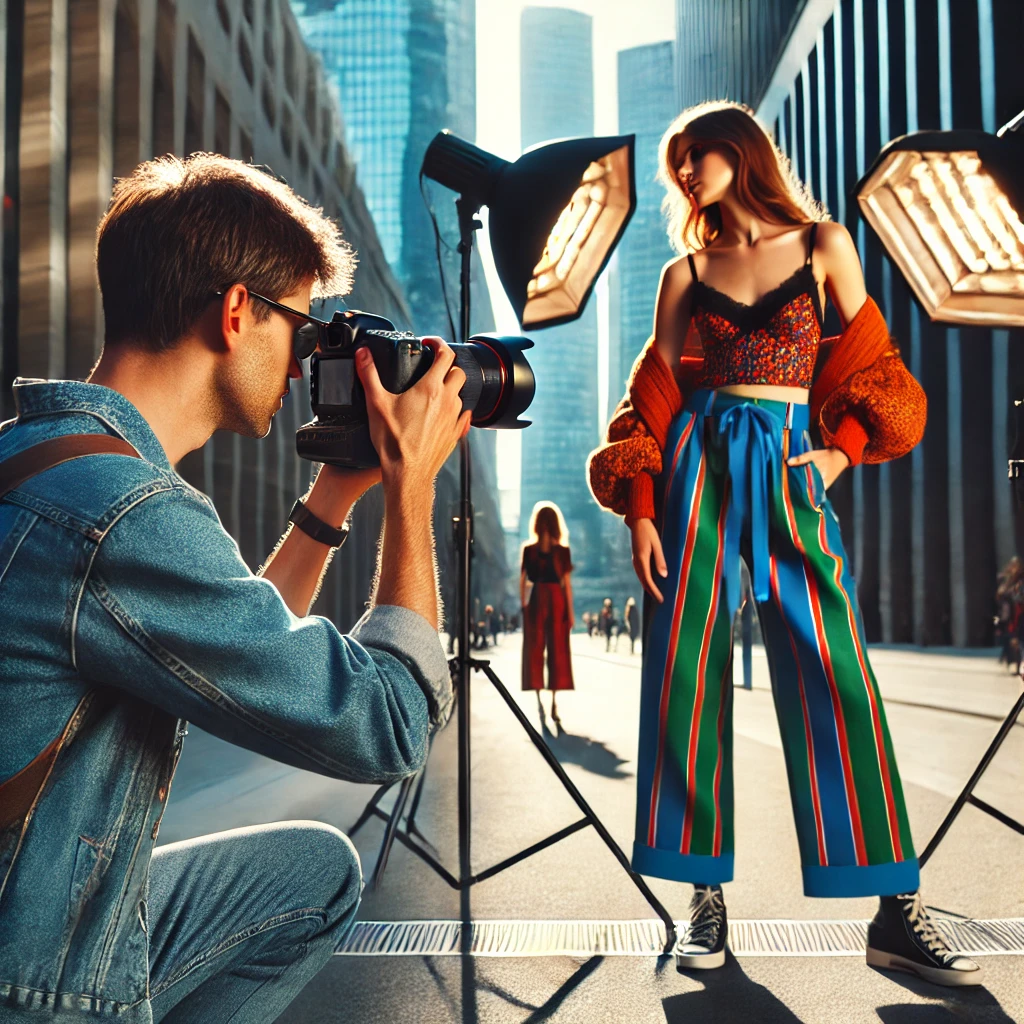
In the indie gaming landscape, Snap & Grab has emerged as a distinct title that challenges players to adopt the role of a thieving fashion photographer. The game, which blends stealth mechanics with a unique aesthetic premise, tasks users with navigating high-pressure environments to capture exclusive imagery while simultaneously engaging in petty larceny. By shifting the focus from traditional combat to the tension of illicit observation, the developers have carved out a niche experience that emphasizes timing, positioning, and the risks inherent in high-stakes visual journalism.
The core gameplay loop of Snap & Grab centers on the dual identity of its protagonist: a professional photographer whose career is built upon the acquisition of illicit goods. According to project documentation, players must balance the technical requirements of photography—such as framing, lighting, and subject focus—with the stealth-based demands of avoiding security personnel and environmental hazards. This hybrid approach requires players to remain undetected while maneuvering through restricted areas, effectively turning the camera lens into both a tool of the trade and a potential liability.
The Mechanics of Stealth and Sight
At its foundation, Snap & Grab utilizes a perspective-based system where the player’s field of vision is restricted and manipulated by the in-game camera. Unlike traditional stealth games that rely primarily on sound or light meters, this title forces players to consider the composition of their surroundings. To successfully complete a level, players must identify high-value targets, wait for opportune moments to strike, and escape before the alarm is raised. The aesthetic of the game, often described by players and critics as stylized and vibrant, serves to contrast the darker, more cynical nature of the character’s criminal activities.
The design philosophy behind the game emphasizes the “cat-and-mouse” dynamic. As noted in industry previews, the game’s artificial intelligence is designed to react to the player’s presence, meaning that every photograph taken carries the risk of alerting nearby guards. This integration of photography as a primary mechanic differentiates it from standard stealth-action titles. Players are not merely moving from point A to point B; they are actively curating a collection of evidence while avoiding detection, which adds a layer of intellectual engagement to the physical challenge of the game.
The Cultural Context of Indie Gaming
The rise of titles like Snap & Grab highlights a broader trend within the independent gaming sector: the move toward unconventional, character-driven narratives. By focusing on the intersection of fashion, crime, and photography, the developers have created a premise that deviates from the conventional fantasy or sci-fi tropes that dominate much of the market. This thematic choice allows for a more focused, intimate experience that resonates with players seeking novelty in gameplay mechanics.

Industry analysts often point to such titles as evidence of the “ludonarrative” potential in smaller teams. In Snap & Grab, the act of stealing is not just a secondary task; it is fundamentally tied to the narrative of a photographer desperate to secure their place in a cutthroat industry. This synthesis of story and gameplay ensures that the player’s actions feel meaningful within the game’s internal logic, providing a sense of progression that is both rewarding and challenging.
Challenges in Development
Developing a game that hinges on visual mechanics presents significant technical hurdles. Ensuring that the camera functions intuitively while maintaining the tension of a stealth game requires precise calibration of the controls. Reports from the development phase indicate that the team prioritized a responsive user interface, allowing players to switch between “stealth mode” and “photography mode” with minimal latency. This transition is essential, as the game requires quick thinking when a player is caught in a compromising position.
Furthermore, the visual feedback loop is critical. Because photography is a central element, the game must provide high-quality rendering of in-game images. This has necessitated a focus on graphical fidelity that allows players to appreciate the shots they capture, even as they flee from the scene of the crime. The resulting balance—between the gritty reality of the theft and the polished aesthetic of the fashion world—is what gives the game its distinct identity.
Looking Ahead
As the community surrounding Snap & Grab continues to grow, players are looking toward future updates and potential expansions. While the developers have remained focused on refining the core experience, there is consistent interest in additional environments and new photography challenges. Updates regarding patch notes, community events, and potential platform expansions are typically disseminated through the developer’s official social channels and community forums.
For those interested in following the game’s progress, the best source for verified news remains the official developer updates. Readers are encouraged to participate in community discussions, share their own gameplay experiences, and provide feedback that may influence the game’s ongoing evolution. Whether you are a fan of stealth mechanics or simply interested in the creative marriage of photography and crime, Snap & Grab offers a unique perspective on the potential of indie gaming.
Worth a look