
In an era defined by rapid technological integration, the landscape of social management in China has undergone a profound transformation. The state’s approach to maintaining public order now relies heavily on sophisticated digital surveillance and data-driven governance. This shift represents a broader evolution in how authorities monitor social stability, aiming to identify and mitigate potential political friction before it escalates into broader unrest.
For citizens living within this system, the experience is characterized by a pervasive digital presence. Modern governance strategies utilize advanced analytics to process vast amounts of information, creating a framework where government oversight is deeply embedded in daily life. This infrastructure is often described by international observers as a mechanism for “social governance,” designed to provide the Communist Party with real-time insights into societal trends and potential areas of dissent, according to reports by Human Rights Watch on predictive policing and surveillance technologies.
The Mechanics of Digital Oversight
The architecture of this system is multi-layered, combining traditional administrative structures with cutting-edge artificial intelligence. Local authorities are tasked with gathering data that informs the central government’s assessment of social stability. This process involves the collection of information through various channels, ranging from digital footprints to neighborhood-level reporting. The U.S. Department of State’s 2023 Country Reports on Human Rights Practices details how the Chinese government utilizes an extensive network of surveillance cameras, facial recognition technology, and internet monitoring to exert control and influence public behavior.
This integration of technology into governance is not merely about tracking criminal activity; it is fundamentally focused on the preemptive identification of “stability maintenance” issues. By analyzing patterns in online discourse and physical movement, the state aims to maintain a high degree of predictability in the social environment. The effectiveness of this system relies on a feedback loop where local data informs national policy, allowing for rapid deployment of resources to areas where authorities perceive a heightened risk of instability.
Societal Impact and Daily Life
Living in an environment where monitoring is constant influences the way individuals interact with public spaces and digital platforms. For many, the awareness of being “watched” leads to a calculated approach to online communication and social engagement. The Amnesty International analysis of surveillance systems highlights the chilling effect these measures can have on freedom of expression and the ability of civil society to operate freely within the country.
Beyond the digital realm, the social governance model involves a physical component. In many urban and rural areas, “grid management” systems divide neighborhoods into smaller units. Each unit is assigned personnel responsible for monitoring the well-being and activities of residents. This hyper-local approach ensures that the state maintains a physical presence in the community, bridging the gap between digital surveillance and human oversight.
Key Considerations for Global Observers
- Predictive Policing: The use of algorithms to forecast potential social disruption remains a significant point of concern for international human rights organizations.
- Data Privacy: The lack of robust legal protections for individual data privacy allows for the widespread aggregation of personal information by state agencies.
- Global Implications: As other nations observe the deployment of these technologies, the debate regarding the ethics of digital authoritarianism continues to grow on the international stage.
Transparency and the Future of Governance
The tension between the government’s desire for social stability and the individual’s right to privacy remains a central theme in contemporary Chinese politics. While officials emphasize that these systems are necessary for maintaining order and public safety, critics argue that the lack of transparency in how algorithms are programmed and how data is used creates an environment of systemic vulnerability for the average citizen.
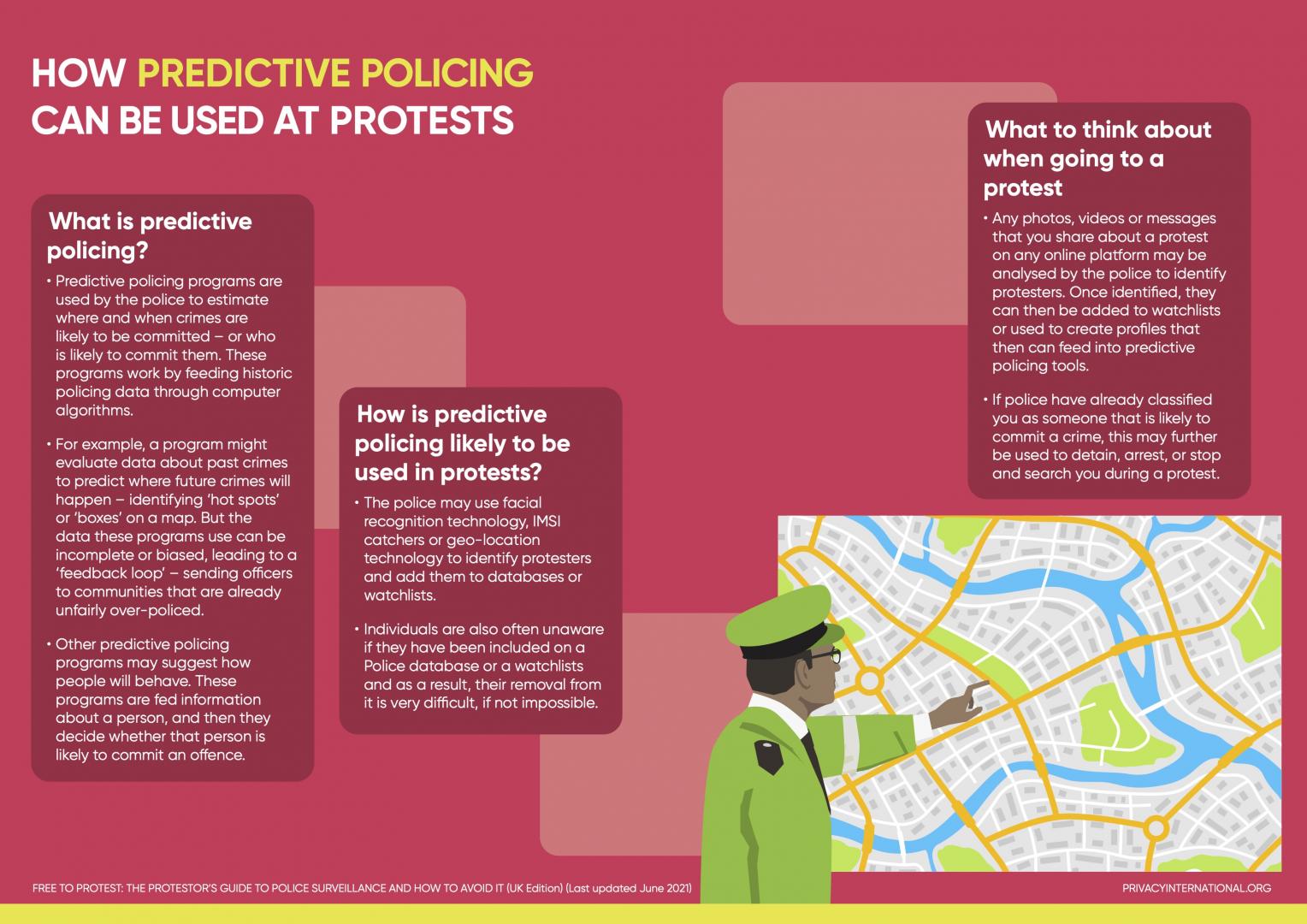
For researchers and international observers, accessing verifiable information regarding the specific parameters of these programs is challenging. Official government statements often frame these initiatives as essential tools for modernization and public administration. However, the international community continues to call for greater accountability and adherence to international human rights standards. As documented in the Office of the United Nations High Commissioner for Human Rights (OHCHR) assessment, concerns regarding the impact of these policies on fundamental freedoms remain a priority for global human rights bodies.
Looking ahead, the evolution of China’s social governance will likely continue to mirror advancements in AI and data processing. Whether these systems will eventually move toward a model of greater transparency or deeper integration remains to be seen. For now, the global audience watches closely, as the implications of these technologies extend far beyond the borders of China, influencing the worldwide debate on the intersection of technology, power, and human rights.
We invite our readers to share their perspectives on this complex issue. How do you see the balance between national security and personal privacy evolving in the digital age? Please contribute to the conversation in the comments section below.