
Meta‘s Censorship of Abortion Information: A Growing Threat to Healthcare Access & Online Speech
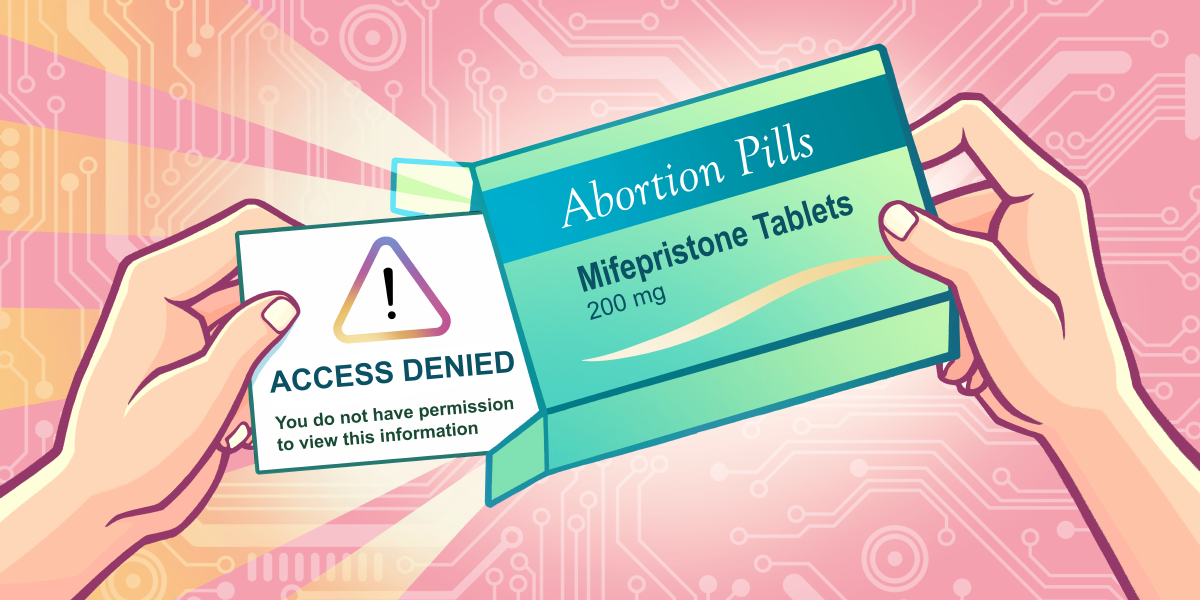
The digital landscape is increasingly vital for accessing health information, and that includes reproductive care. However, a troubling pattern is emerging: Meta (Facebook and Instagram) is mistakenly flagging and removing legitimate, medically accurate information about abortion, often conflating it wiht content related to violent extremism. This isn’t just a technical glitch; it’s a serious issue with real-world consequences, impacting access to crucial healthcare information and raising significant concerns about content moderation practices.
At the Electronic Frontier Foundation (EFF), we’ve been closely monitoring this through our Stop Censoring Abortion campaign, and the findings are deeply concerning. Our inquiry reveals that content sharing information about medication abortion, abortion access, and even self-managed abortion is being caught in Meta’s moderation nets, sometimes under policies designed to combat the sale of prescription drugs, and, alarmingly, under the same rules intended to prevent the spread of violent extremism.
Why is this happening? The Problem with Blunt Content Moderation
While we acknowledge that content moderation – both by human reviewers and automated systems – is imperfect, the scale and nature of these errors are unacceptable. Meta’s reliance on broad, often opaque, rules is disproportionately silencing lawful, vital, and possibly life-saving speech.
the timing couldn’t be worse. As access to abortion is increasingly restricted politically,both in the United States and globally,online platforms have a duty to ensure they aren’t further compounding the harm by suppressing accurate information. Overly broad policies and a lack of transparency are effectively erasing valuable resources and disempowering individuals who need them most.
Imagine seeking information about a medical procedure and being told your post violated a policy designed to stop violent extremism. It’s not only confusing and frustrating, but it actively hinders access to essential healthcare. Responsible content moderation demands clarity and transparency – something Meta is currently failing to deliver.
The Santa Clara Principles: A Roadmap for Better Moderation
The need for transparency isn’t just a matter of fairness; it’s a basic principle of responsible platform governance. the santa Clara Principles on Transparency and Accountability in Content Moderation outline clear expectations for platforms like meta. Users deserve to understand:
* What content is prohibited: Detailed guidance and clear examples of both permissible and impermissible content are essential.Vague policies invite arbitrary enforcement.
* Actions beyond removal: Platforms utilize a range of actions beyond simply deleting content, such as algorithmic downranking. Users need to know how these actions are applied and what triggers them.
* Account suspension policies: The circumstances under which an account might be suspended – temporarily or permanently – must be clearly defined and consistently applied.
What Can You Do If Your Content is Removed?
If you’ve experienced a takedown of your abortion-related content on Meta’s platforms, you are not powerless. Here’s how to fight back:
* Appeal the decision: Every takedown notice should include an option to appeal. These appeals are sometimes reviewed by a human moderator, offering a chance to correct the error.
* Escalate to the Oversight Board: In certain cases, you can submit your case to meta’s independent Oversight Board. This board has the authority to overturn takedowns and establish important policy precedents. https://www.oversightboard.com/
* Document everything: Save screenshots of takedown notices, your appeals, and the original post. This documentation is crucial for reporting the issue to advocacy groups or pursuing further action.
* Share your story: Projects like Stop Censoring Abortion (https://www.eff.org/pages/stop-censoring-abortion) are collecting cases of unjust takedowns to build pressure for change. Speaking out – to the EFF, other advocacy groups, or the media – helps illustrate the real-world harm caused by these policies.
Abortion is Healthcare. Information Access is a Right.
sharing information about abortion is not dangerous; it’s a necessary component of comprehensive healthcare.Meta must allow users to freely share vital information about reproductive care. Moreover, the company has a moral and ethical obligation to provide clear, clear explanations for its content moderation decisions and offer accessible avenues for appeal.
this isn’t just about protecting free speech; it’s about protecting access to healthcare and empowering individuals with the information they need to make informed decisions





