Södertälje, Sweden is emerging as a key testbed for the future of sustainable energy, with district heating – or fjärrvärme as it’s known locally – taking center stage in the city’s ambitious climate goals. The move underscores a growing global recognition of district heating’s potential to reduce emissions, enhance energy stability, and foster a more circular economy. While many nations are grappling with the transition to renewable energy sources, Södertälje is demonstrating how existing infrastructure can be leveraged and innovated to create a more resilient and environmentally responsible energy system. This isn’t simply about replacing fossil fuels. it’s about reimagining how we generate, distribute, and consume heat, a significant portion of global energy demand.
District heating systems, which centrally produce heat and distribute it to buildings through a network of insulated pipes, are gaining traction worldwide as a crucial component of decarbonization efforts. Unlike individual heating systems, fjärrvärme allows for the efficient utilization of diverse energy sources, including waste heat from industrial processes, biomass, and increasingly, renewable sources like solar thermal and geothermal energy. Södertälje’s commitment to this technology is particularly noteworthy given Sweden’s broader national strategy to achieve net-zero emissions by 2045. The city’s proactive approach, coupled with significant investment in infrastructure and smart grid technologies, positions it as a leader in this evolving energy landscape. The success of Södertälje’s model could provide valuable insights for other municipalities and nations seeking to replicate its achievements.
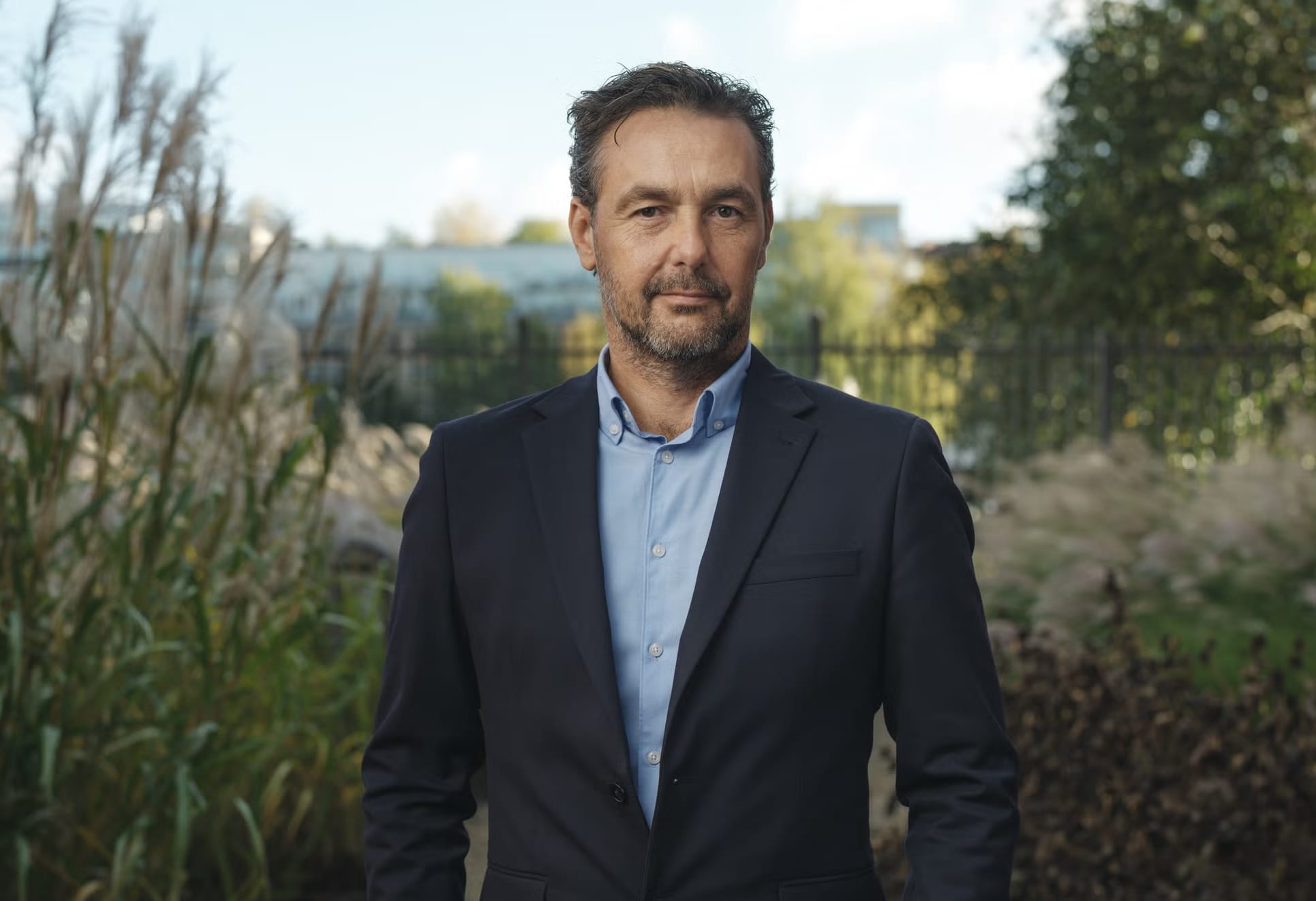
The focus on fjärrvärme in Södertälje is driven by a desire to create a more stable and sustainable energy supply, reducing reliance on volatile fossil fuel markets and minimizing environmental impact. According to Anders Björklin, Market and Sales Manager at Telge Nät, the key lies in “finding new resources that no one else needs, using powerful IT support and optimizing efficiency throughout the entire production chain.” This approach emphasizes resourcefulness and innovation, transforming potential waste products into valuable energy sources. The city’s existing, well-developed district heating network provides a solid foundation for further expansion and integration of new technologies, making it uniquely positioned to capitalize on the benefits of a more circular energy economy.
The Evolution of District Heating in Södertälje
Södertälje’s journey with district heating began decades ago, but recent advancements are accelerating its transformation. Historically, many district heating systems relied heavily on fossil fuels. However, the city is actively transitioning towards more sustainable alternatives. This includes incorporating waste heat from local industries – a practice that significantly improves energy efficiency and reduces carbon emissions. The integration of renewable energy sources, such as solar thermal and biomass, is also gaining momentum. The implementation of smart digital systems and artificial intelligence (AI) is enabling more precise control over energy usage, optimizing heating efficiency and lowering costs for consumers. This technological upgrade is crucial for maximizing the potential of the existing infrastructure and ensuring its long-term viability.
The next generation of fjärrvärme is being designed for increased energy efficiency, flexibility, and environmental friendliness. Lowering the temperature of the water circulating within the system reduces heat loss and can translate into cost savings for customers. This lower-temperature approach also opens the door for greater utilization of renewable energy sources, which often operate more efficiently at lower temperatures. The city is also exploring innovative solutions to empower consumers to participate actively in the energy system. As Björklin notes, increased flexibility in energy sources will allow some customers to take on a role as heat producers, contributing to the circular economy and potentially generating revenue from surplus heat. This shift towards a more decentralized and participatory energy model is a defining characteristic of Södertälje’s approach.
The Circular Economy and Local Energy Production
A core tenet of Södertälje’s energy strategy is the promotion of a circular economy, where waste is minimized and resources are used efficiently. District heating plays a vital role in this vision by enabling the recovery and utilization of waste heat from industrial processes. Industries that generate excess heat can connect to the district heating network, effectively turning a potential waste product into a valuable energy source. This not only reduces emissions but also creates economic opportunities for local businesses. The city is actively encouraging this type of collaboration, recognizing that a successful transition to a sustainable energy system requires the participation of all stakeholders. This collaborative approach extends beyond industrial partnerships to include households and businesses, empowering them to contribute to the energy supply and benefit from the resulting cost savings.
The potential for local energy production is particularly exciting. By allowing customers to develop into “prosumers” – both producers and consumers of energy – Södertälje is fostering a more resilient and decentralized energy system. Households and businesses with access to renewable energy sources, such as solar panels, can feed excess energy back into the district heating network, earning revenue and contributing to the overall sustainability of the system. This model not only reduces reliance on centralized energy sources but also empowers communities to take control of their energy future. The city’s commitment to innovation and collaboration is paving the way for a more sustainable and equitable energy landscape.
Challenges and Future Outlook
While Södertälje’s approach to district heating is promising, challenges remain. The initial investment in infrastructure can be substantial, and ongoing maintenance and upgrades are essential to ensure optimal performance. Integrating diverse energy sources and managing the complexities of a smart grid require sophisticated technological solutions and skilled personnel. However, the long-term benefits of a sustainable and resilient energy system far outweigh these challenges. The city is actively investing in research and development to address these issues and explore new opportunities for innovation.
Looking ahead, Södertälje’s experience with fjärrvärme offers valuable lessons for other cities and nations seeking to decarbonize their energy systems. The city’s commitment to resourcefulness, innovation, and collaboration is a model for sustainable energy development. By leveraging existing infrastructure, embracing new technologies, and empowering local communities, Södertälje is demonstrating that a transition to a cleaner, more resilient energy future is not only possible but also economically viable. The city’s ongoing efforts to optimize its district heating network and integrate renewable energy sources will continue to be closely watched as a benchmark for sustainable energy practices.
The Swedish Energy Agency continues to monitor and support the development of district heating systems across the country, providing funding and expertise to municipalities like Södertälje. The Swedish Energy Agency plays a crucial role in promoting energy efficiency and renewable energy sources, contributing to Sweden’s ambitious climate goals.
Key Takeaways
- District heating, or fjärrvärme, is central to Södertälje’s sustainability strategy.
- The city is transitioning from fossil fuels to renewable energy sources and waste heat recovery.
- Smart grid technologies and AI are optimizing energy efficiency and reducing costs.
- A circular economy approach empowers local industries and households to participate in energy production.
- Södertälje’s model offers valuable lessons for other municipalities seeking to decarbonize their energy systems.
As Södertälje continues to refine its district heating system and explore new avenues for sustainable energy production, the city will undoubtedly remain at the forefront of the global energy transition. The next key development to watch will be the results of ongoing pilot projects focused on integrating advanced AI algorithms for predictive maintenance and optimized energy distribution, expected to be released in early 2027. We encourage readers to share their thoughts and experiences with district heating in the comments below and to share this article with colleagues and friends interested in sustainable energy solutions.
Keep reading